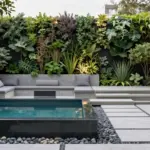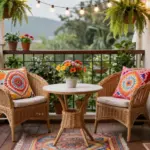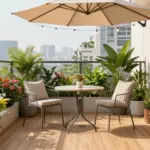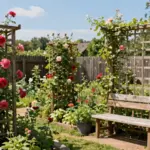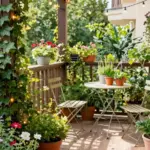
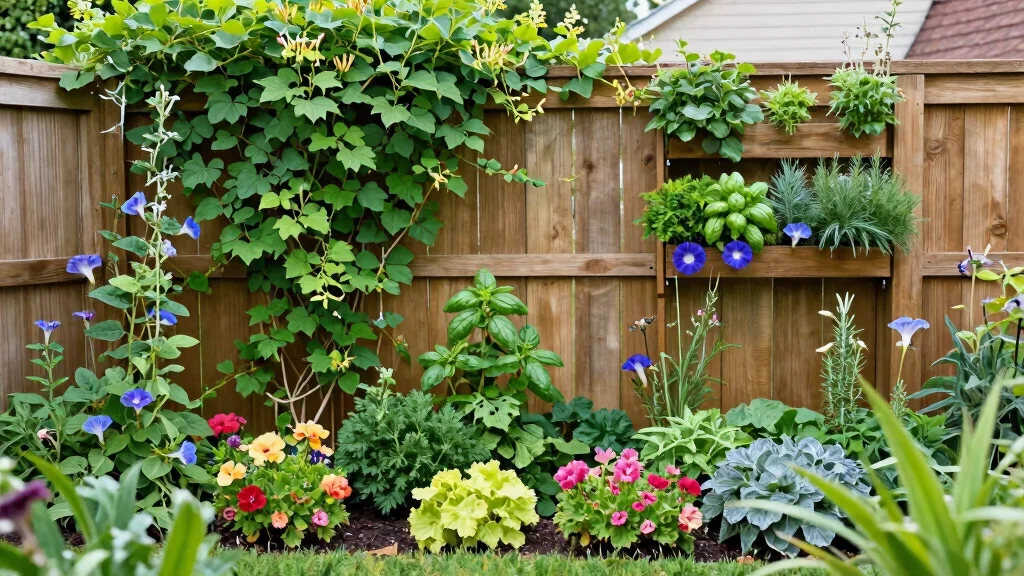
Creating a beautiful backyard is on many people’s minds, especially as we seek to enhance our outdoor spaces. If you’re looking for a way to elevate your home décor while enjoying nature, planting along your fence can be a fantastic solution. This post is designed for anyone who loves gardening, landscaping, or simply wants to beautify their outdoor area. Whether you’re a novice gardener or someone with a green thumb, these ideas will inspire you to transform your fence into a lush, inviting space.
You’ll discover 16 stunning backyard plants along the fence ideas that not only look amazing but also add functionality. Imagine climbing beans creating a vertical garden, fragrant sweet peas swaying in the breeze, or berry bushes providing a delicious harvest. These concepts will help you create layers of greenery that offer privacy, texture, and even edible delights. Get ready to dive into a world of lush possibilities that will transform your backyard into a vibrant escape!
Key Takeaways
– Discover a variety of plants that thrive along fences, enhancing both aesthetics and utility.
– Explore vertical growth options like climbing beans and sweet peas for maximizing your space.
– Learn how to create a privacy barrier with tall shrubs and decorative plants.
– Get ideas for edible gardens, including berry bushes and vertical strawberry planters.
– Find tips for seasonal color with annual flowers and how to maintain your backyard plants throughout the year.
1. Climbing Beans for Vertical Growth
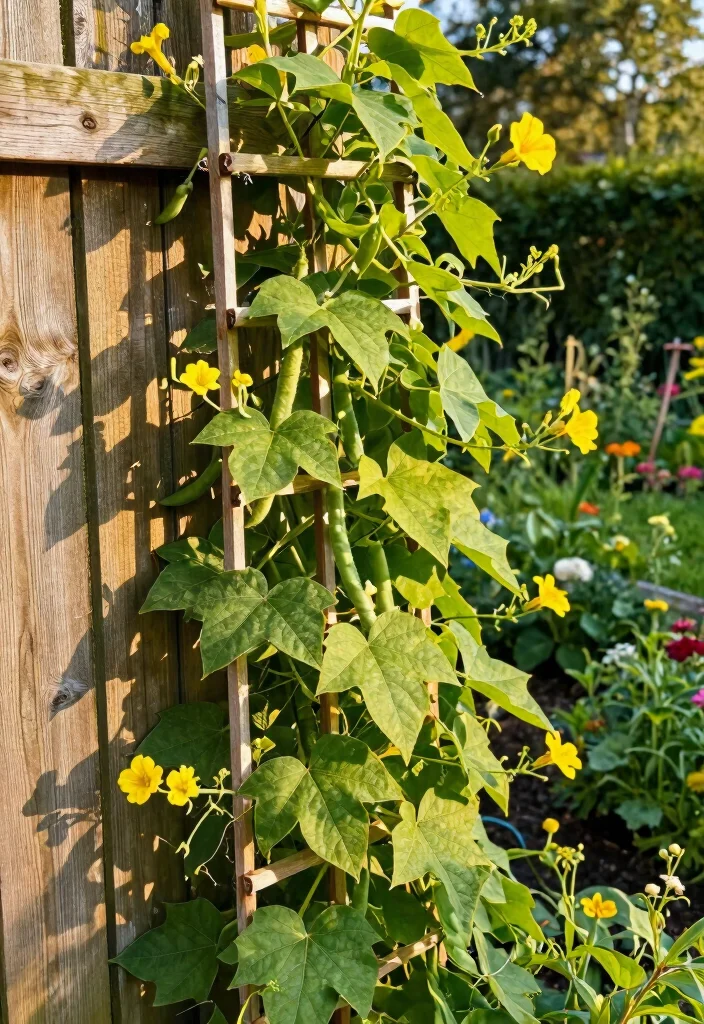
Craving fresh, crunchy beans right from your garden? Climbing beans are the perfect solution! Not only do they add a stunning vertical element to your fence, but they also grow vigorously, reaching heights of up to 10 feet. With their lush green leaves and beautiful flowers, these plants become an eye-catching feature while providing delicious beans that you can enjoy in your meals.
Plant them in nutrient-rich, well-draining soil and make sure to give them a sturdy trellis to climb. As you nurture these plants, they will reward you with a bountiful harvest throughout the season, making your garden both beautiful and productive.
Ingredients:
– Climbing bean seeds
– Fertilizer (optional) for enhanced growth
– Water
…
Instructions:
1. Prepare your trellis or support structure before planting.
2. Sow seeds directly in the ground after the last frost, spacing them about 6 inches apart.
3. Water well after planting and keep the soil consistently moist.
4. Harvest beans regularly to encourage continuous growth.
Nutrition Information:
– Serving size: 1 cup
– Calories: 30
– Protein: 2 grams
– Fiber: 4 grams
– Vitamins A and C
FAQs:
– How much space do they need? Climbing beans can thrive in small areas but still need support to grow upwards.
– Can I grow them in containers? Yes, just ensure you have a tall support structure for them to climb.
2. Sweet Peas with Fragrant Blooms
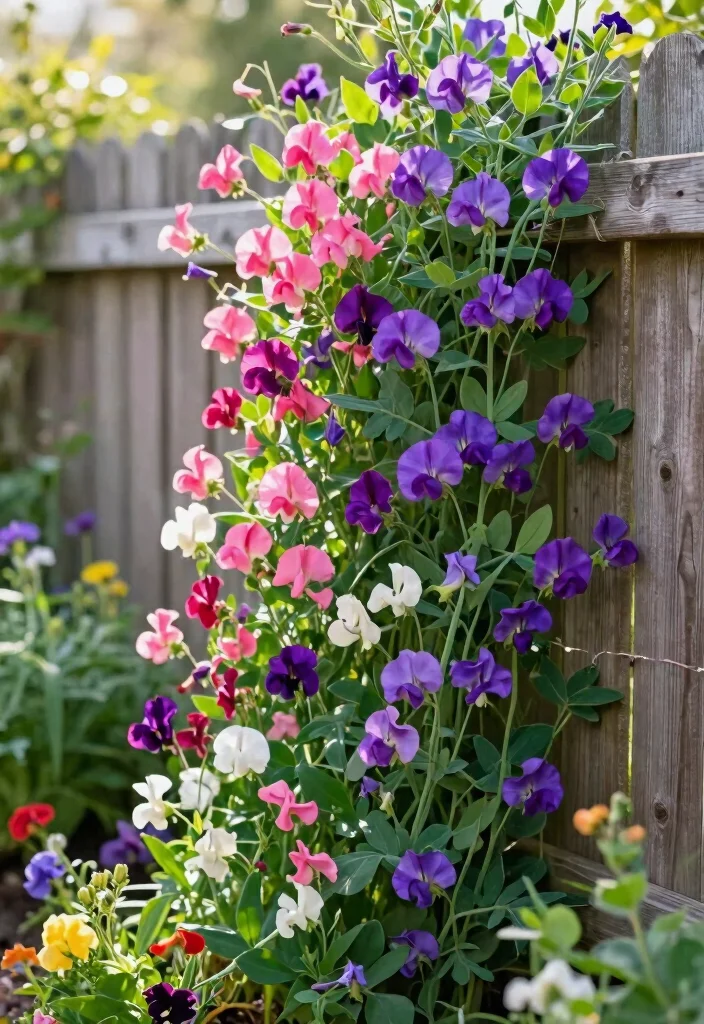
Looking to fill your garden with delightful scents and colorful blooms? Sweet peas are the answer! These charming flowers not only provide a stunning visual display along your fence but also release a sweet fragrance that can transform your outdoor space into a fragrant paradise. Ideal for spring planting, they thrive in cooler temperatures and sunny spots.
By incorporating sweet peas into your garden, you’ll create a cheerful atmosphere while attracting beneficial pollinators. Their vibrant blooms will surely brighten your day and elevate the beauty of your backyard.
Ingredients:
– Sweet pea seeds
– Trellis or netting for support
– Water
…
Instructions:
1. Soak seeds for 24 hours before planting to enhance germination.
2. Sow seeds about 1 inch deep, spaced 6 inches apart.
3. Once they sprout, provide support and watch them flourish.
4. Deadhead regularly to encourage more blooms.
Nutrition Information:
– Serving size: N/A (ornamental)
FAQs:
– Do they need special care? Sweet peas enjoy cooler weather, so plant early in spring for best results.
– Can they grow in partial shade? They prefer full sun but can tolerate partial shade in hotter climates.
3. Vertical Herb Garden
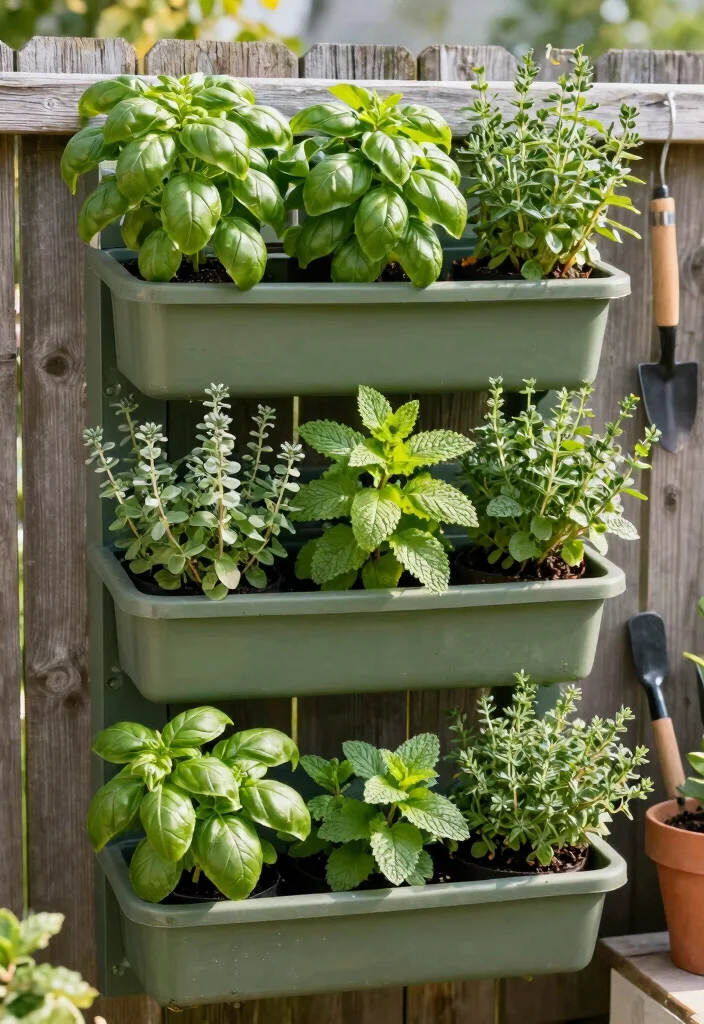
Dreaming of fresh herbs at your fingertips while cooking? A vertical herb garden is the way to go! This setup not only maximizes your space along the fence but also provides easy access to a variety of herbs like basil, parsley, mint, and thyme. The fragrant greenery adds beauty while being incredibly useful for all your culinary adventures.
Using wall-mounted planters or vertical pockets keeps your herbs organized and thriving. Plus, having fresh herbs readily available means your meals will be bursting with flavor.
Ingredients:
– Assorted herb seedlings (basil, parsley, mint, thyme)
– Wall-mounted planters or small pots
– Well-draining soil
…
Instructions:
1. Select a sunny spot on your fence.
2. Use wall planters or repurpose small pots attached to the fence.
3. Plant herbs according to their spacing requirements.
4. Water regularly, ensuring each herb has enough moisture.
Nutrition Information:
– Serving size: N/A (culinary)
FAQs:
– Which herbs grow best together? Basil, parsley, and thyme are great companions.
– Can I start from seeds? Yes, but buying seedlings can jumpstart your herb garden.
4. Gorgeous Hops Vines
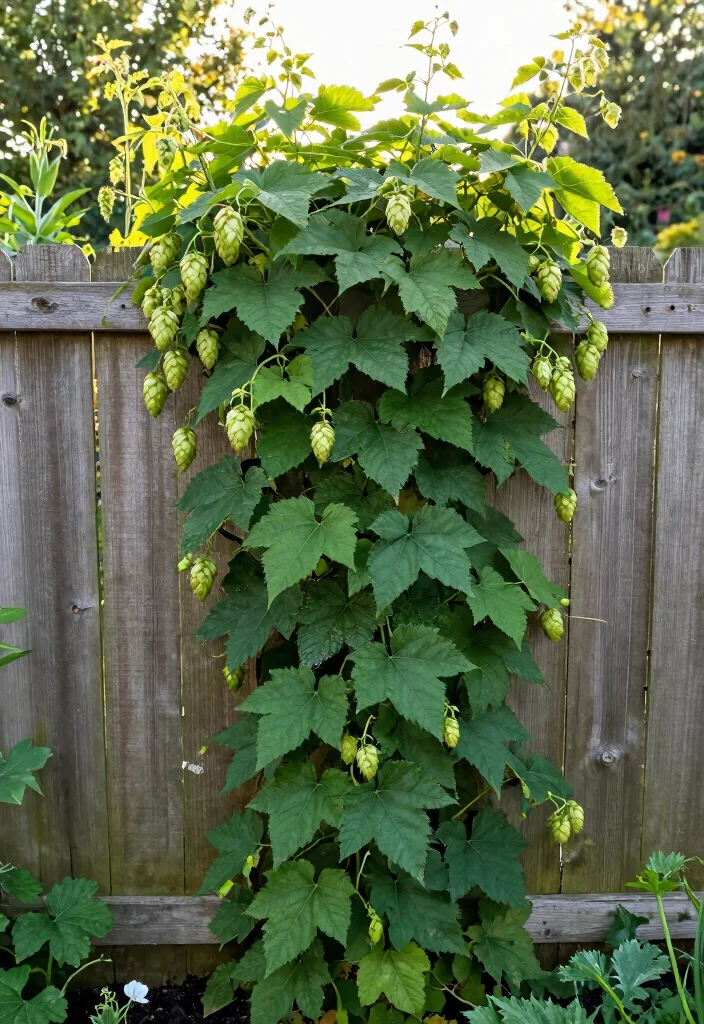
Are you a beer enthusiast looking to add a unique touch to your garden? Hops vines are not only visually stunning but also functional. These climbing plants can reach impressive heights and create a lush green wall along your fence, while their cone-like flowers can be harvested for brewing your favorite beer.
Hops thrive in full sunlight and well-drained soil, making them a great addition to any sunny spot. As they grow, they offer privacy and aesthetic appeal, turning your garden into a relaxing retreat.
Ingredients:
– Hops rhizomes
– Strong trellis or support system
– Water
…
Instructions:
1. Choose a sunny location with plenty of space.
2. Plant rhizomes in early spring, burying them about 2 inches deep.
3. Water consistently during dry spells.
4. Guide the vines as they climb to maintain their structure.
Nutrition Information:
– Serving size: N/A (culinary)
FAQs:
– How long does it take to grow? Typically, hops can take 3 years to fully mature.
– Can I grow hops in containers? It’s best to plant them directly in the ground for optimal growth.
Top Varieties for Different Conditions
When decorating your fence with beautiful and edible plants, the right choices depend on your specific conditions. Different climates and situations call for unique varieties. Let’s dive into some top options that thrive under various conditions.
1. Climbing Beans
– Best conditions: Warm climates, sunny spots
– Key features: These beans grow quickly and can reach heights of up to 10 feet. They provide fresh produce while adding vibrant greenery to your fence.
– Considerations: Ensure they have sturdy support for climbing. They can be susceptible to pests, so monitor regularly.
2. Sweet Peas
– Best conditions: Cool, temperate climates with well-drained soil
– Key features: Sweet peas bloom with fragrant flowers in various colors. They attract pollinators and look stunning on any fence.
– Considerations: These plants require cool weather to flourish and may not perform well in extreme heat.
3. Vertical Herb Garden
– Best conditions: Sunlit areas with moderate humidity
– Key features: A vertical herb garden can house various herbs like basil, thyme, and mint. It saves space while providing fresh ingredients for your kitchen.
– Considerations: Make sure to water adequately, as vertical gardens can dry out quickly.
4. Gorgeous Hops Vines
– Best conditions: Warm summers and well-drained soil
– Key features: Hops not only grow tall and lush but also have beautiful, feathery foliage. They can reach heights of over 20 feet, perfect for creating a stunning backdrop.
– Considerations: Hops need a sturdy support system and regular pruning to keep them manageable.
5. Edible Berry Bushes
– Best conditions: Moderate climates with plenty of sunlight
– Key features: Blueberries, raspberries, and blackberries offer delicious fruits while providing privacy when planted along a fence. They add seasonal interest with their vibrant foliage.
– Considerations: Ensure proper spacing and pruning to encourage healthy growth and fruit production.
6. Vertical Strawberry Planters
– Best conditions: Sunny areas with good drainage
– Key features: Vertical planters help maximize growing space while producing sweet strawberries. These vibrant plants can also add color to your fence.
– Considerations: Keep soil moist and provide adequate nutrients to prevent plants from drying out.
7. Ornamental Grasses
– Best conditions: Drought-tolerant areas with well-drained soil
– Key features: Plants like Miscanthus and Pennisetum add height and texture to your fence. They are low-maintenance and create a natural, flowing look.
– Considerations: Some grasses can spread aggressively, so choose non-invasive varieties.
Climate/Condition Guide:
– Temperate: Focus on sweet peas and berry bushes, which thrive in moderate climates.
– Continental: Opt for climbing beans and herb gardens that can handle temperature fluctuations.
– Coastal: Choose salt-tolerant options like ornamental grasses and berries.
– Hot/Dry: Consider drought-resistant varieties like hops and ornamental grasses.
– Humid: Look for plants that can handle moisture, such as vertical herb gardens and climbing beans.
Growing Tips:
1. Regular watering is key, especially for vertical gardens. Ensure each plant gets enough moisture but avoid overwatering. 💧
2. Use organic fertilizers to boost plant growth without harming the environment. 🪴
3. Prune regularly to encourage healthy growth and prevent overcrowding. ✂️
Avoid:
1. Overcrowding plants—give each variety enough space to thrive.
2. Choosing plants that aren’t suited for your climate, as they will struggle to grow and may not survive.
5. Edible Berry Bushes
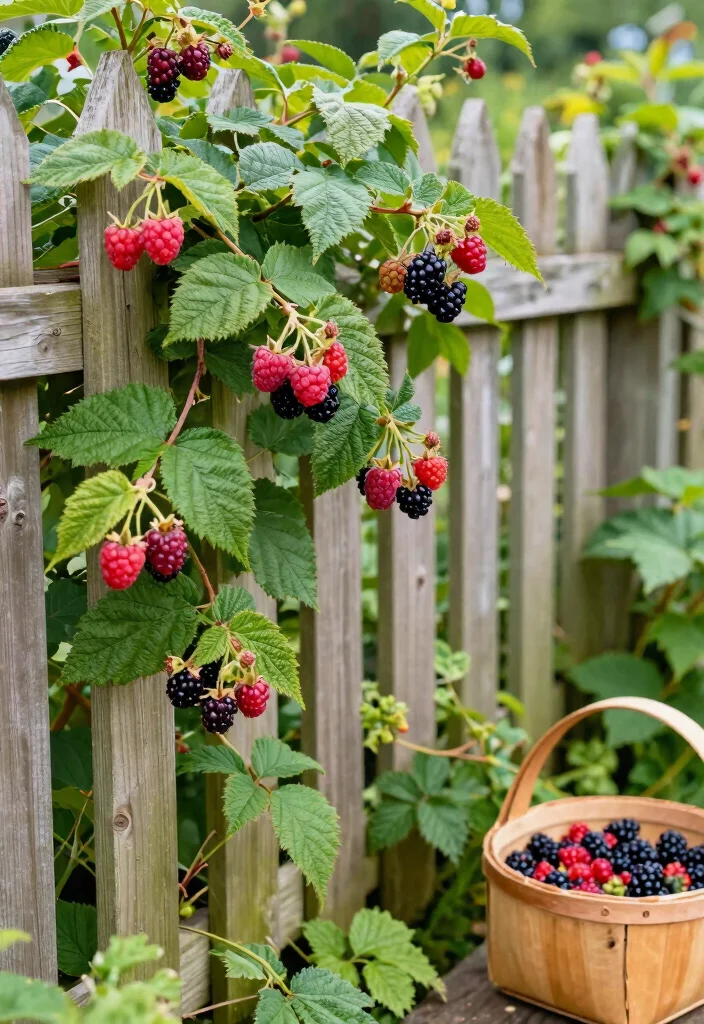
Craving fresh berries straight from your backyard? Edible berry bushes are a delightful addition to any fence, providing delicious fruits while enhancing your garden’s aesthetics. Varieties like raspberries, blackberries, and blueberries flourish along a fence and offer a bountiful harvest in summer, along with stunning flowers in spring.
Positioning these berry bushes creates a natural privacy screen, allowing you to enjoy the beauty of your outdoor space while indulging in sweet, organic berries right at your doorstep.
Ingredients:
– Raspberries, blackberries, or blueberries
– Mulch for moisture retention
– Fertilizer (optional)
…
Instructions:
1. Select a sunny spot along your fence.
2. Dig holes for each bush, spacing them based on their type.
3. Water well after planting and monitor for pests.
4. Prune annually for optimal fruit production.
Nutrition Information:
– Serving size: 1 cup of berries
– Calories: 84
– Fiber: 8 grams
– Vitamins C and K
FAQs:
– How long does it take to produce fruit? Most berry bushes yield their first harvest within 1-2 years.
– Can they grow in pots? Yes, but ensure the container is large enough to accommodate roots.
6. Vertical Strawberry Planters
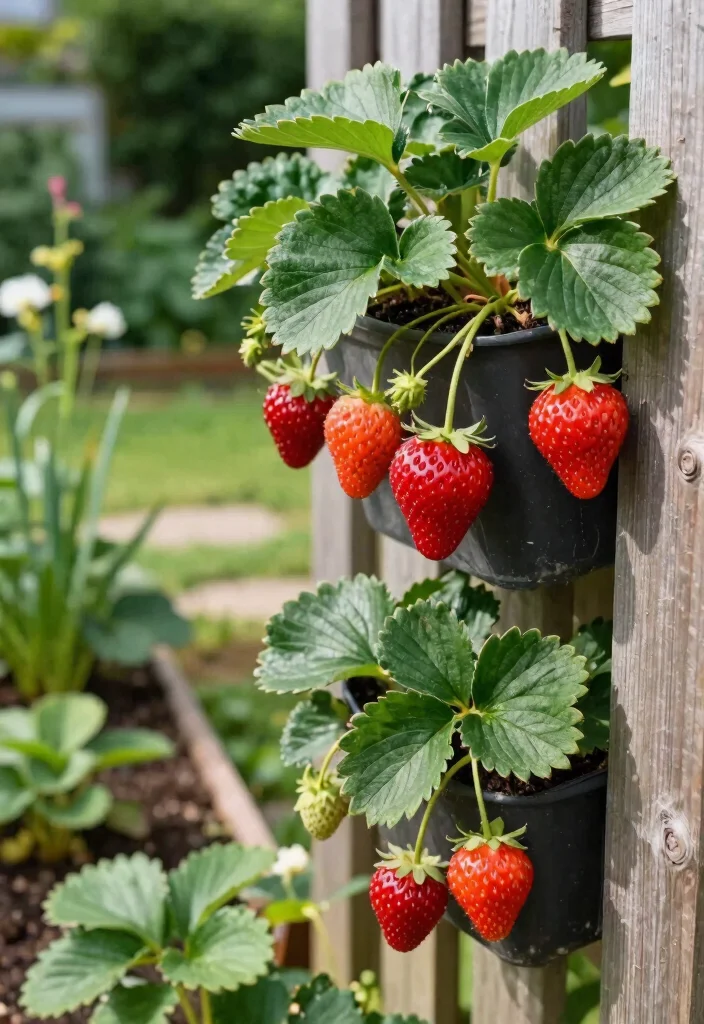
Imagine picking juicy strawberries right from your own vertical garden! Growing strawberries along your fence not only maximizes space but also adds a vibrant splash of color. Using tiered planters or hanging baskets allows you to display these delightful fruits beautifully while ensuring they receive enough sunlight, ideally 6-8 hours a day.
With their bright green leaves and luscious red berries, strawberries create an eye-catching contrast, making your garden a sweet paradise.
Ingredients:
– Strawberry plants
– Tiered planter or hanging baskets
– Well-draining soil
…
Instructions:
1. Choose a sunny location and prepare a tiered planter or vertical display.
2. Plant each strawberry plant about 12-18 inches apart.
3. Water and fertilize as needed throughout the growing season.
Nutrition Information:
– Serving size: 1 cup of strawberries
– Calories: 49
– Vitamin C: 97.6 mg
FAQs:
– Can they grow in partial shade? They thrive best in full sun for maximum yield.
– How long do they produce? Strawberries can produce fruit for several years if cared for properly.
Fun fact: A vertical strawberry setup can double your harvest in the same fence space. Tiered planters and hanging baskets ensure 6-8 hours of sun, turning your backyard plants along fence into a sweet, edible focal point.
7. Decorative Vertical Fencing with Ivy
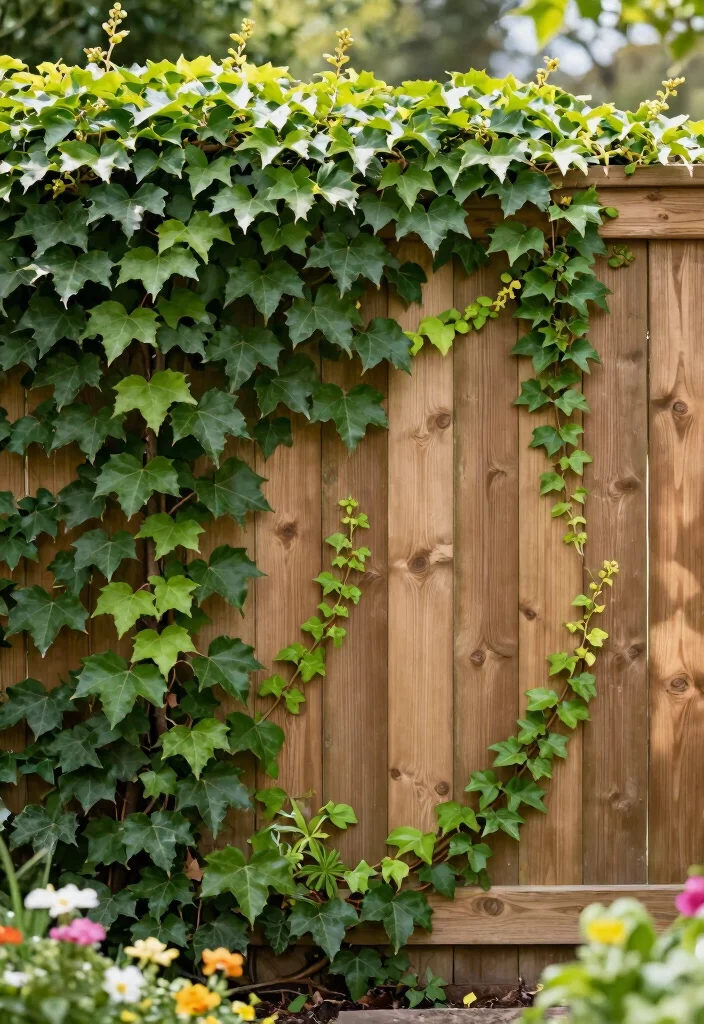
Want to add a touch of timeless elegance to your fence? Ivy is a classic choice that thrives in various conditions and provides lush greenery. As a hardy perennial, it grows vigorously, creating a natural privacy screen that softens the harsh lines of your fence while enhancing its visual appeal.
Although ivy is beautiful, it can become invasive, so regular maintenance is essential to keep it in check and ensure it complements your garden perfectly.
Ingredients:
– Ivy plants
– Trellis or support (optional)
– Water
…
Instructions:
1. Choose a sunny or partially shaded area along your fence.
2. Space plants about 18 inches apart for ample growth.
3. Water regularly until established.
4. Prune to control growth and keep it neat.
Nutrition Information:
– Serving size: N/A (ornamental)
FAQs:
– Is ivy safe for pets? Some types of ivy can be toxic to pets, so research your specific variety.
– Can it damage my fence? If not maintained, ivy can rot wooden structures over time.
8. Ornamental Grasses for Texture
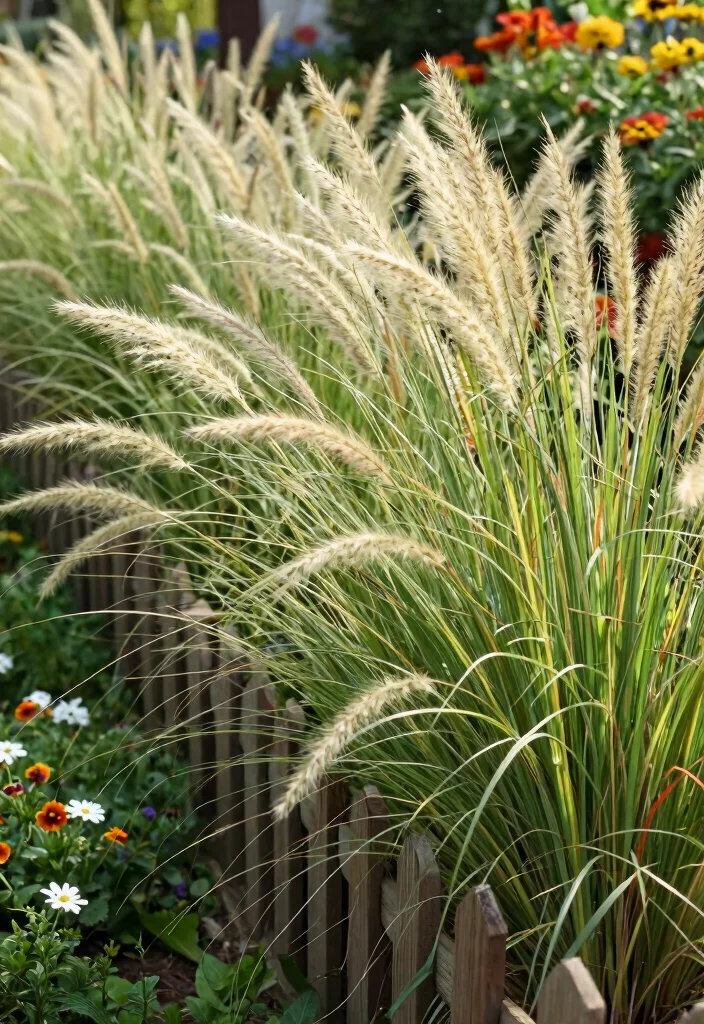
Looking to introduce texture and movement to your garden? Ornamental grasses are the perfect addition! Varieties like feather reed grass and blue fescue can add flowing lines and graceful silhouettes, creating a stunning visual impact along your fence. These low-maintenance and drought-resistant plants are ideal for busy homeowners seeking beauty without the hassle.
As they sway in the breeze, ornamental grasses provide a serene ambiance while attracting birds with their seeds, enriching your garden’s ecosystem.
Ingredients:
– Feather reed grass or blue fescue plants
– Well-draining soil
– Water
…
Instructions:
1. Prepare planting holes according to each grass’s spacing requirements.
2. Water well after planting.
3. Observe for pests and remove weeds regularly.
Nutrition Information:
– Serving size: N/A (ornamental)
FAQs:
– How long do they take to grow? Most ornamental grasses establish quickly and can reach maturity in a single growing season.
– Do they attract pests? Generally, they repel most pests but can attract beneficial insects.
Fun fact: Ornamental grasses bring texture and movement to your backyard plants along fence. Plant feather reed grass or blue fescue for graceful silhouettes that sway in the breeze and attract birds.
9. Colorful Perennial Borders
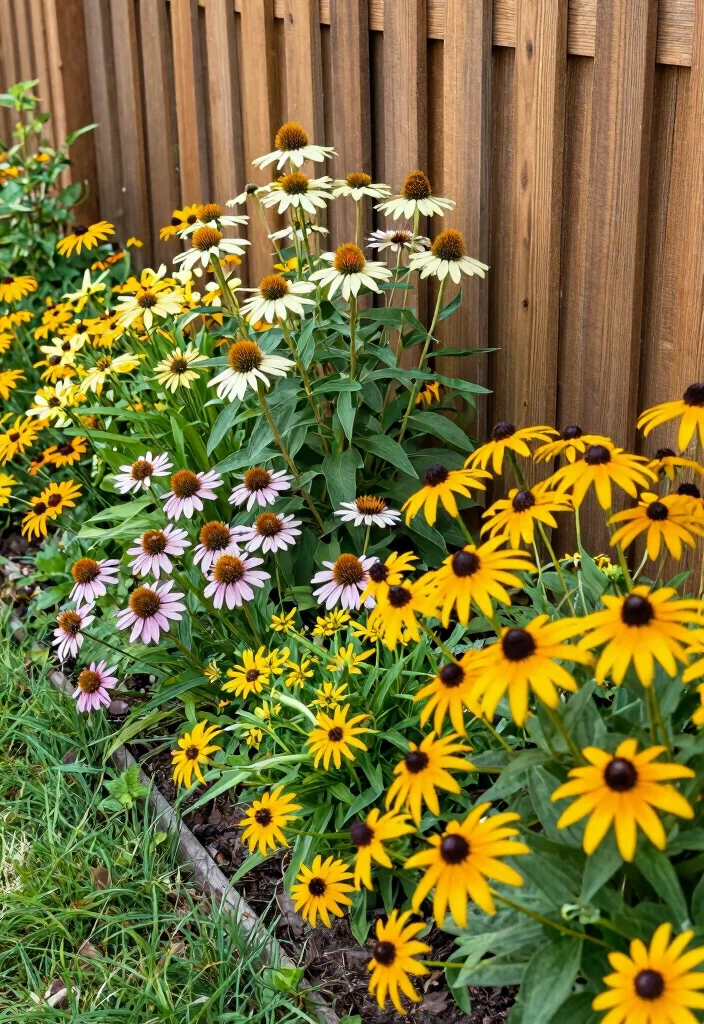
Ready to elevate your garden’s aesthetics? Creating a colorful perennial border along your fence can do just that! Plants like coneflowers, black-eyed Susans, and daylilies offer vibrant hues throughout different seasons, enhancing your outdoor space’s beauty. Once established, these low-maintenance perennials allow you to enjoy a flourishing garden without too much effort.
Positioning them in layers creates a lush, full look, providing habitats and food for pollinators while making your backyard a stunning gathering spot.
Ingredients:
– Coneflowers, black-eyed Susans, or daylilies
– Mulch for moisture retention
– Water
…
Instructions:
1. Plan your design and prepare the planting area along your fence.
2. Plant perennials according to their spacing needs.
3. Water well after planting and maintain them as they establish.
Nutrition Information:
– Serving size: N/A (ornamental)
FAQs:
– How long do perennials last? Many can last for several years or even decades with proper care.
– Should I divide them? Yes, dividing perennials every few years promotes healthier growth and blooms.
Fun fact: A layered perennial border along your fence can deliver color for 3 seasons with just a few hardy plants. When you mix coneflowers, black-eyed Susans, and daylilies, you boost pollinator visits and create backyard plants along fence that practically care for themselves.
10. Vertical Succulent Garden
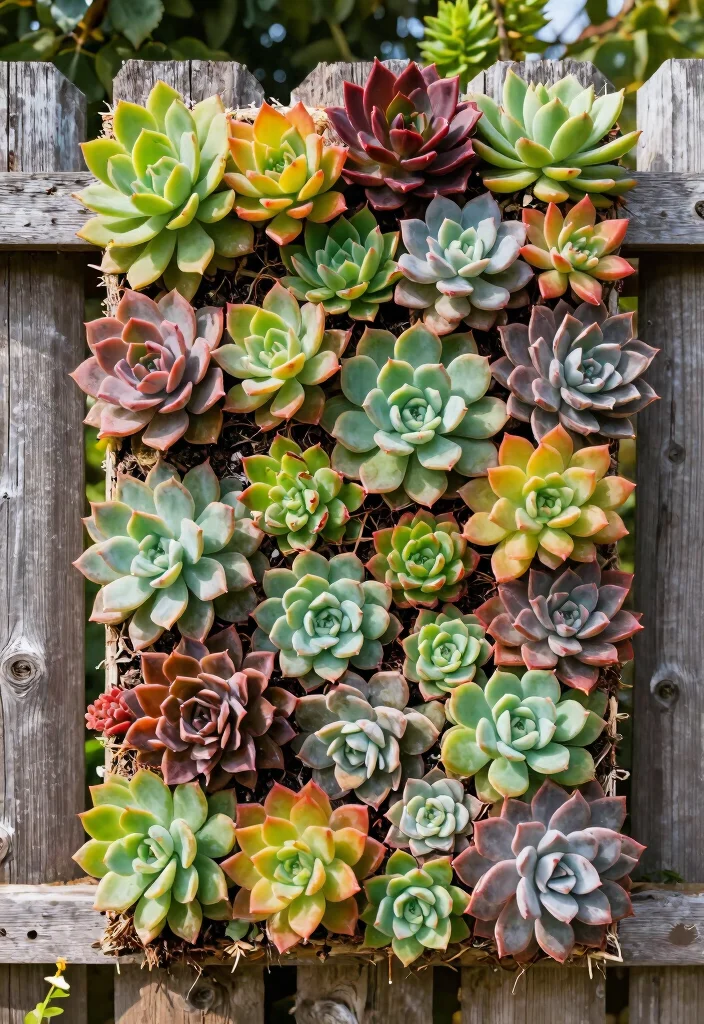
Love low-maintenance plants? A vertical succulent garden is perfect for you! Featuring a variety of shapes, colors, and textures, succulents can breathe life into any dull space along your fence. They thrive in sunny locations and require minimal watering, making them ideal for novice gardeners or those with busy schedules.
Using wall planters allows these stunning plants to shine, creating a unique focal point in your garden that offers year-round beauty.
Ingredients:
– Assorted succulent plants
– Wall-mounted planter
– Well-draining soil
…
Instructions:
1. Select a sunny spot on your fence to mount your planter.
2. Arrange your succulents based on their size and color.
3. Water sparingly and enjoy the unique arrangements.
Nutrition Information:
– Serving size: N/A (ornamental)
FAQs:
– Can they survive winter? Some varieties are frost-tolerant, but most need protection from extreme cold.
– Do they attract pests? Generally, succulents are resistant to pests, but watch for mealybugs and aphids.
11. Butterfly Garden Along the Fence
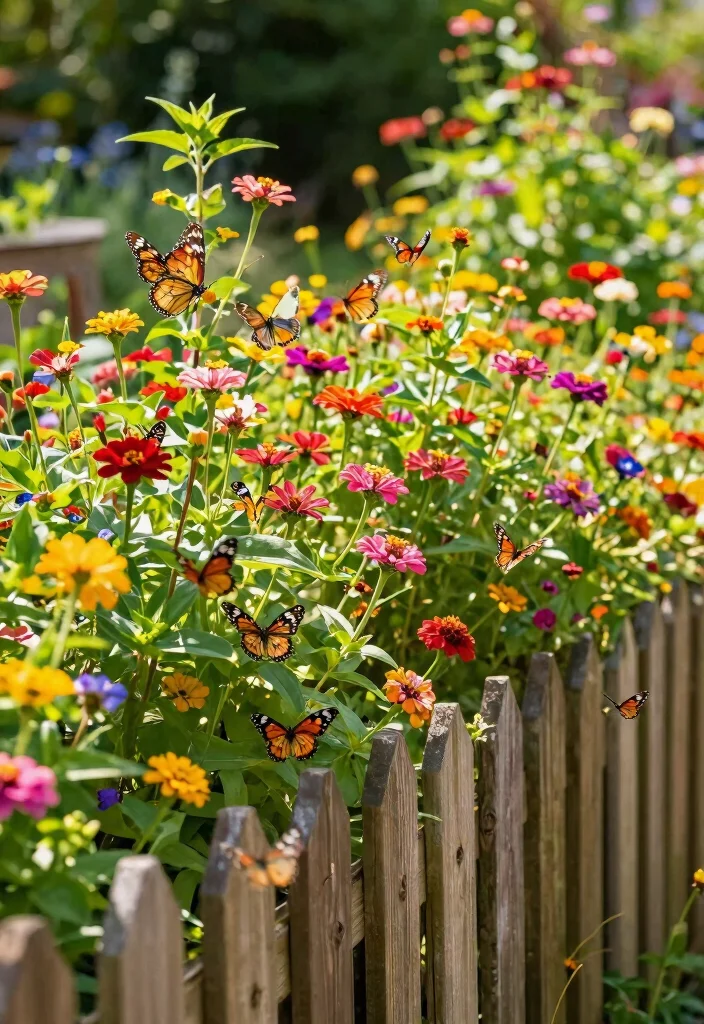
Want to bring a little magic to your garden? Creating a butterfly garden along your fence not only beautifies your space but also supports local wildlife. Choose nectar-rich flowering plants like milkweed, butterfly bush, and lantana to attract these lovely creatures, providing them with food and shelter.
Position these plants strategically so they create a haven for butterflies to flutter by, adding joy and life to your outdoor area.
Ingredients:
– Milkweed, butterfly bush, and lantana plants
– Water
…
Instructions:
1. Research and select butterfly-friendly plants suitable for your climate.
2. Prepare your soil and plant according to instructions.
3. Monitor the growth and watch for visiting butterflies!
Nutrition Information:
– Serving size: N/A (ornamental)
FAQs:
– How long does it take for butterflies to find my garden? It may take a few weeks to several months depending on local species.
– Can I plant them in containers? Yes, as long as you choose the right plants for the size of the container.
12. Edible Flower Garden
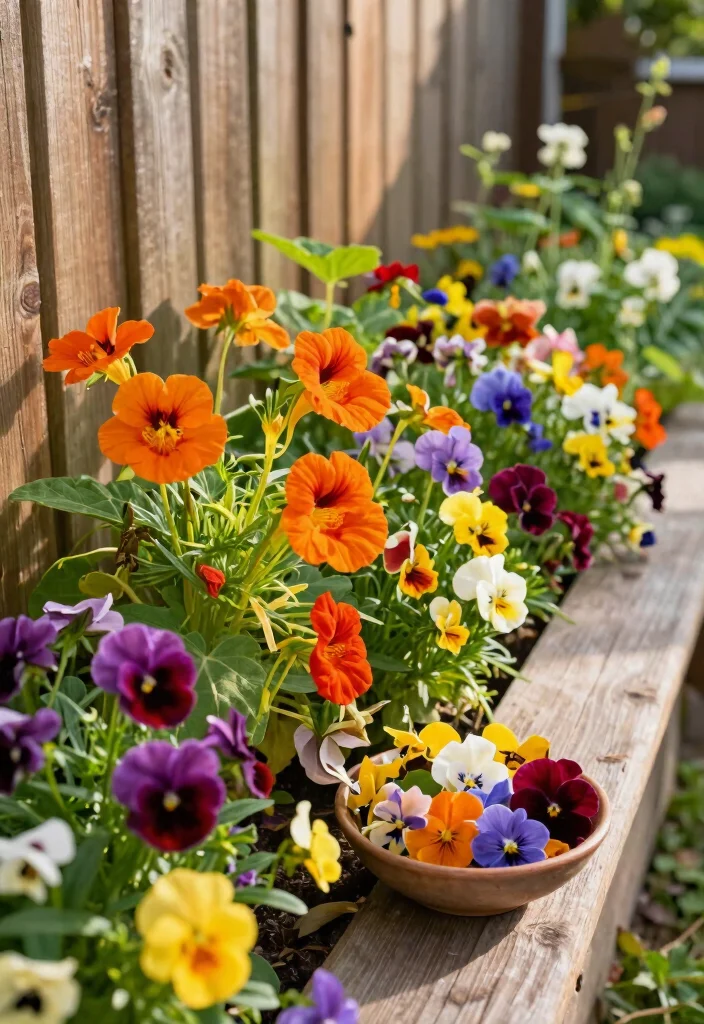
Looking to add a burst of color and flavor to your garden? An edible flower garden is a delightful way to enhance your culinary experiences. Varieties like nasturtiums, pansies, and violets thrive in sunny spots and can be used in salads and desserts, making them both beautiful and functional.
Incorporating these colorful blooms into your garden will not only catch the eye but also provide a unique way to enjoy your outdoor space.
Ingredients:
– Edible flower seeds (nasturtiums, pansies, violets)
– Well-drained soil
– Water
…
Instructions:
1. Choose a sunny spot along your fence with well-drained soil.
2. Plant seeds or seedlings following spacing guidelines.
3. Water consistently and enjoy the blooms!
Nutrition Information:
– Serving size: 1 cup (varies by flower)
FAQs:
– Are all flowers edible? No, some flowers can be toxic, so research is essential.
– Can I use them in cooking? Many edible flowers are great for garnishing dishes and adding flavor.
13. Vertical Garden with Shade Tolerant Plants
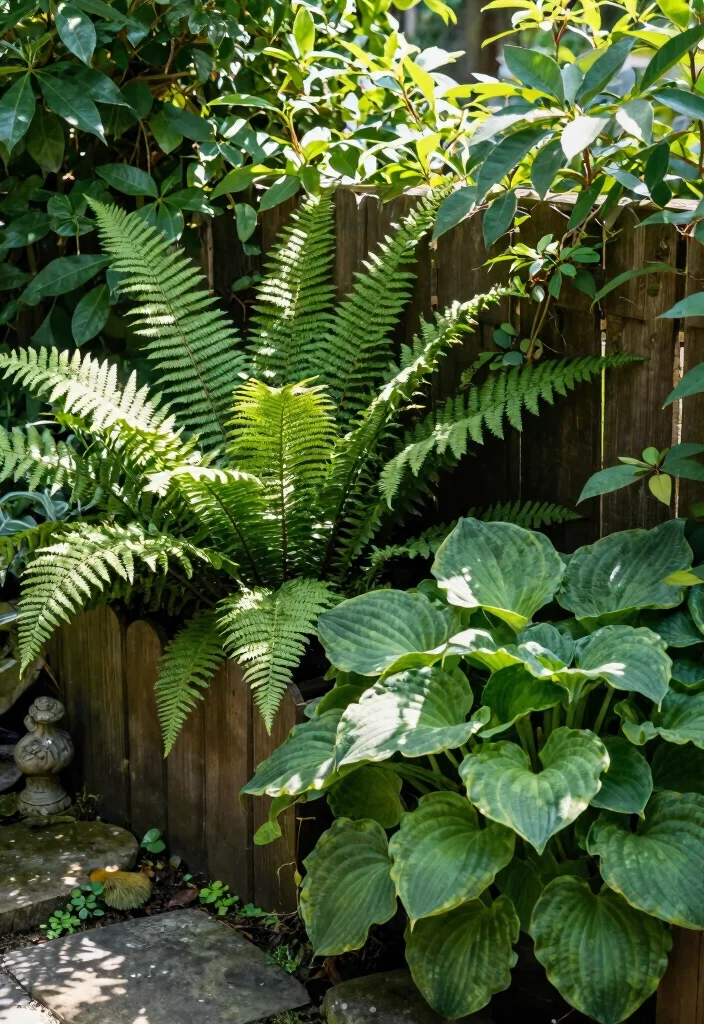
If your fence is shaded, don’t worry—there are plenty of plants that can thrive in low-light conditions! Consider ferns, hostas, and astilbe to provide lush greenery without requiring direct sunlight. This creates a cool, peaceful area perfect for escaping the heat while adding beauty to your garden.
By thoughtfully planning your layout, you can create a stunning backdrop that showcases the varying textures and shades of green, making your outdoor space inviting and serene.
Ingredients:
– Shade-tolerant plants (ferns, hostas, astilbe)
– Well-draining soil
– Water
…
Instructions:
1. Identify shady areas along your fence and prepare the soil.
2. Select and space plants according to their needs.
3. Water and care for them as they grow.
Nutrition Information:
– Serving size: N/A (ornamental)
FAQs:
– Can I grow vegetables in the shade? Some shade-tolerant veggies exist, but they usually require at least partial sunlight.
– How often should I water shade plants? Monitor the moisture level, and water when the soil is dry to the touch.
14. Adding Privacy with Tall Shrubs
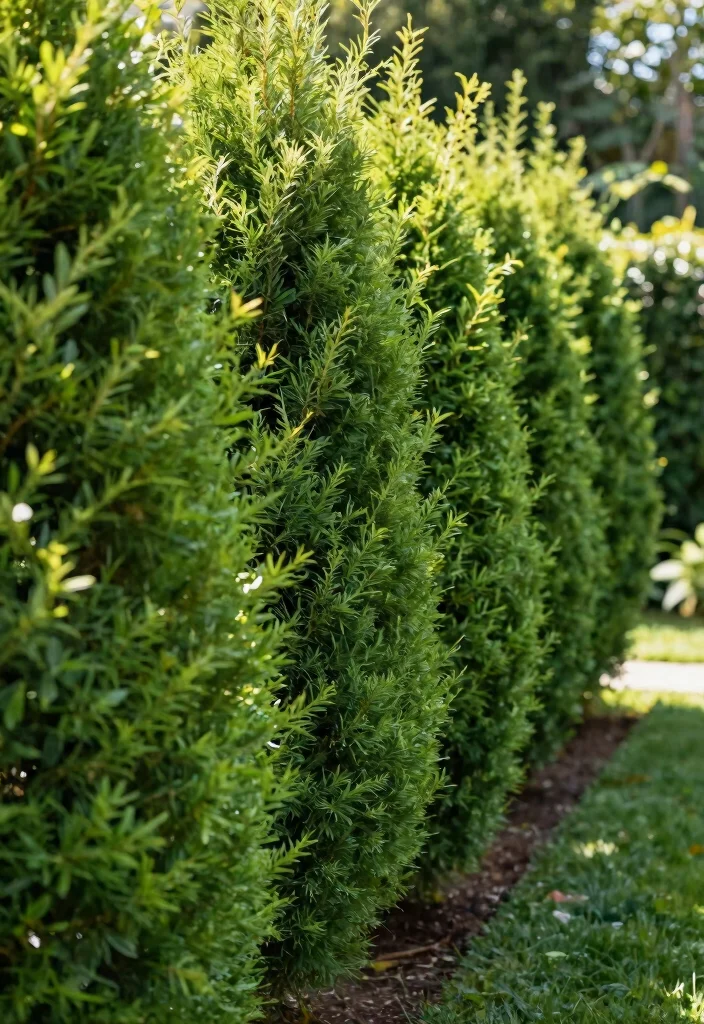
Seeking a natural way to enhance your privacy? Tall shrubs along your fence can create a beautiful barrier against noise and prying eyes. Consider varieties like arborvitae, boxwood, or privet for a dense screen that not only provides privacy but also attracts birds and other wildlife to your garden.
When selecting shrubs, think about their growth rate and height to achieve the desired level of privacy. Regular maintenance will keep them healthy and looking their best, enhancing your outdoor retreat.
Ingredients:
– Tall shrub varieties (arborvitae, boxwood, privet)
– Well-draining soil
– Water
…
Instructions:
1. Choose the right shrub based on your climate and desired height.
2. Dig holes that accommodate the root ball.
3. Water thoroughly after planting and watch for pests.
Nutrition Information:
– Serving size: N/A (ornamental)
FAQs:
– How long do they take to grow? Growth rates vary by type but expect several years for mature height.
– Can I trim them into shapes? Yes, many shrubs respond well to shaping and pruning for a formal look.
15. Creating a Cozy Sitting Area
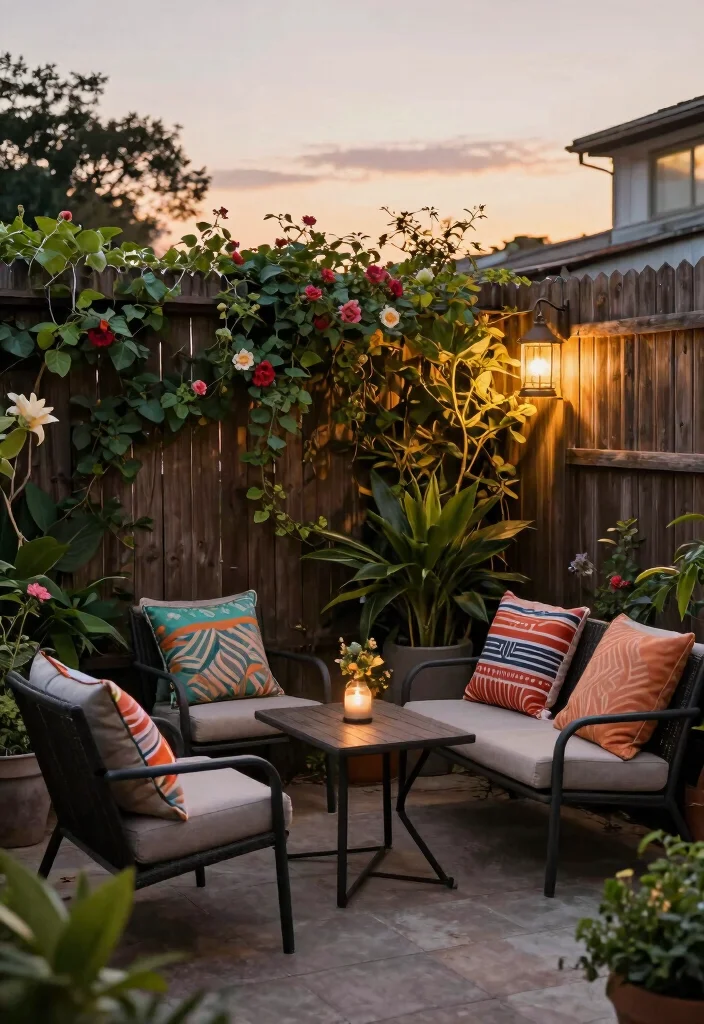
Want to transform your backyard into a serene retreat? Adding a cozy sitting area by your fence can achieve just that! Picture comfortable chairs or a charming bench set against a backdrop of climbing plants or flowering shrubs, creating an inviting space for relaxation.
Enhance this area with decorative elements like outdoor cushions, lanterns, or a small table to make it even more inviting. It’s the perfect spot for reading, enjoying tea, or entertaining friends while being surrounded by the beauty of your garden.
Ingredients:
– Weather-resistant outdoor furniture
– Cushions for comfort
– Decorative elements (lanterns, small table)
…
Instructions:
1. Identify a level area near your fence for seating.
2. Arrange furniture according to your space and preference.
3. Enhance the area with plants or decorative features.
Nutrition Information:
– Serving size: N/A (decorative)
FAQs:
– What type of furniture is best for outdoors? Look for weather-resistant materials like teak, aluminum, or synthetic wicker.
– How can I keep the area clean? Regularly sweep and clean surfaces to maintain a tidy appearance.
16. Seasonal Color with Annual Flowers
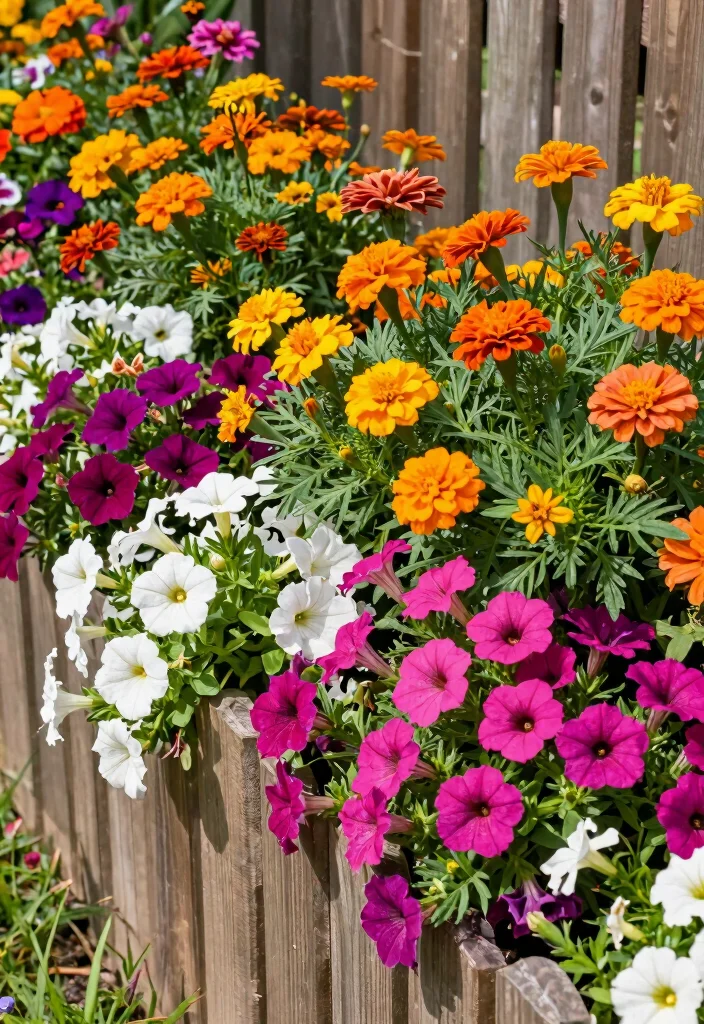
Craving a vibrant splash of color in your garden? Planting annual flowers along your fence is the perfect way to achieve that! Varieties like petunias, marigolds, and zinnias can provide cheerful blooms from spring through fall, enhancing your outdoor space’s visual appeal.
Annuals are fantastic for filling gaps between perennials or adding bursts of color where needed. Their vibrant hues can lift your spirits and keep your backyard looking fresh and lively throughout the seasons.
Ingredients:
– Annual flower seeds (petunias, marigolds, zinnias)
– Well-draining soil
– Water
…
Instructions:
1. Select a sunny spot along your fence.
2. Prepare the soil and plant seeds or seedlings as directed.
3. Water and fertilize regularly to promote healthy growth.
Nutrition Information:
– Serving size: N/A (ornamental)
FAQs:
– How long do annuals last? Most annuals bloom throughout the growing season before dying off in winter.
– Can I save seeds? Some annuals allow for seed saving, but it’s best to check for each specific variety.
Conclusion
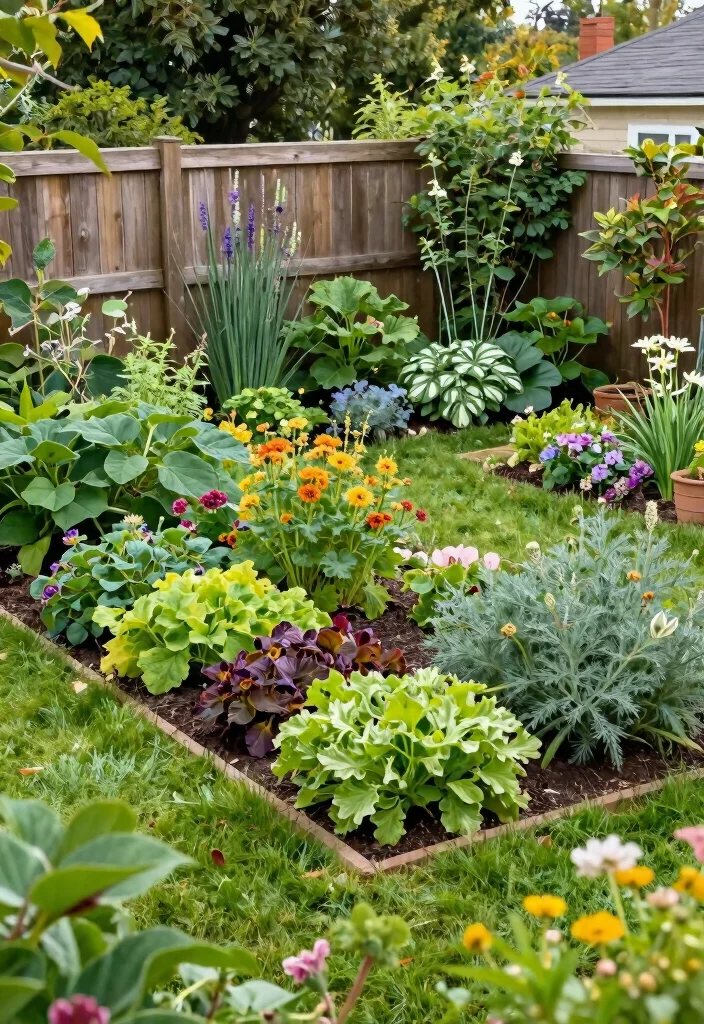
Enhancing your backyard with plants along the fence can bring beauty, functionality, and privacy to your outdoor space. From delicious edibles to vibrant flowers, the options are endless for creating a lush landscape that reflects your style.
As you plan your vertical garden, remember to consider your climate, the amount of sunlight available, and your personal preferences. Engage in the joys of gardening and enjoy the fresh produce and colorful blooms that will flourish right outside your door!
Note: We aim to provide accurate product links, but some may occasionally expire or become unavailable. If this happens, please search directly on Amazon for the product or a suitable alternative.
This post contains Amazon affiliate links, meaning we may earn a small commission if you purchase through our links, at no extra cost to you.
Frequently Asked Questions
What are the best backyard plants along fence to create a lush layered look and maximize privacy?
For a lush layered look along your fence, plan in three heights: tall privacy layer, mid-height structure, and low ground cover. Start with a tall privacy layer using evergreen or semi-evergreen candidates such as arborvitae, boxwood screens, or privet. In front, add mid-height climbers or espaliered fruit trees on a trellis—grape vines, kiwifruit, or raspberries trained to the fence. At the base, layer with low-growing groundcovers and edible options like strawberries, oregano, or thyme. This fence plant ideas approach creates vertical interest and yields. Choose plants for your climate and sun, then install a sturdy trellis or wire mesh as part of your vertical garden designs. Use drip irrigation and mulch. Regular pruning keeps layers defined and prevents crowding near the fence.
How can I set up a vertical garden along a fence with minimal construction and still look polished?
Start with a simple plan and lightweight materials: freestanding trellises, wire mesh, or wall-mounted panels that attach to the fence. Choose lightweight, weather-resistant planters or pocket baskets to keep the setup easy to manage. Arrange the plants in layers—tall climbers on the back support, mid-height fruiting climbers on the trellis, and low-growing herbs or compact greens at the base. Ensure good drainage, sun exposure, and access for watering. Install a simple drip irrigation line or soaker hose to keep your landscaping with plants manageable. This approach fits many budgets and yields a pretty, productive fence line—classic decorative fence landscaping.
Which plants work best for different sun exposures along a fence?
Tailor fence plant ideas to sun exposure:
Full sun (6+ hours): grape vines, kiwifruit, climbing beans, strawberries, rosemary.
Partial shade: raspberries and blueberries (where they can still get some sun), plus sun-loving herbs in pots like thyme or oregano planted at the base.
Shade: leafy greens such as lettuce, spinach, sorrel, and some herbs like cilantro can tolerate partial shade with consistent moisture.
What are beginner-friendly edible fence plants that look great and grow fast along a fence?
Great starters include strawberries trained along a trellis or in hanging pockets, climbing beans or peas on a trellis, and edible vines like grape vines or kiwifruit if you have sun. For fruiting privacy, try raspberries in sunny spots and blueberries in well-drained, acidic soil. Finish with herbs such as oregano and basil in border pockets. Quick wins keep the fence line productive and pretty.
What maintenance steps keep backyard plants along a fence healthy year-round?
Make a simple yearly routine: in spring, prune to maintain layers and airflow; in summer, water deeply during dry spells and refresh mulch to conserve moisture. Feed with a balanced fertilizer according to plant type, and monitor for pests or disease. Inspect the fence and trellis for stability, adjust supports as plants grow, and rotate edible crops in the beds to avoid soil depletion. This helps your backyard plants along fence stay vibrant as part of your decorative fence landscaping.
Related Topics
backyard plants along fence
vertical gardening
privacy plants
fence plant ideas
decorative landscaping
easy garden designs
edible plants
landscaping tips
lush garden layers
beginner friendly
seasonal plants
outdoor decor