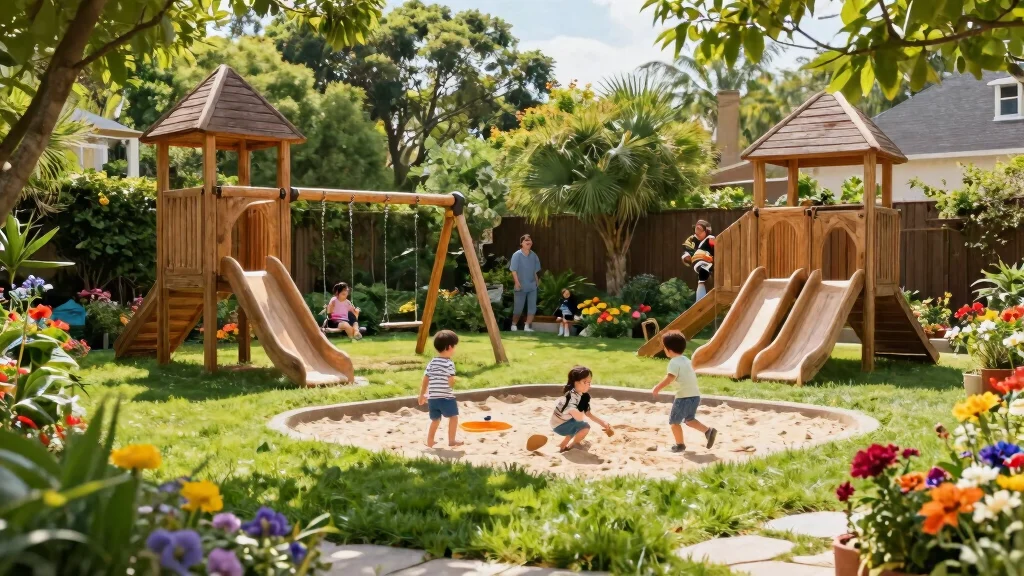
Creating a vibrant and engaging backyard playground can be a game changer for your family. If you’ve ever watched your kids sigh with boredom at home or seen them scrolling through screens instead of playing outside, this post is for you. I felt inspired to gather ideas that will not only enhance your outdoor space but also spark joy and creativity in your children’s playtime. There’s something magical about transforming your yard into a world of adventure where your kids can thrive and explore.
If you’re a parent, grandparent, or caregiver looking to create fun and safe environments, you’ll find this guide especially beneficial. The ideas presented here are designed to cater to children of all ages, encouraging active play and imagination. You’ll discover eco-friendly solutions that respect nature while providing enjoyable outdoor play areas. With these 18 backyard playground landscaping ideas, you can create unique play zones that promote family bonding and outdoor fun.
So whether you want to incorporate natural wood play structures, develop sensory gardens, or even build cozy campfire spots, you’ll find practical, creative ideas that are easy to implement. Let’s dive in and turn your backyard into a haven that kids will love and cherish!
Key Takeaways
– Explore eco-friendly materials for your backyard playground landscaping that promote safety and sustainability.
– Discover various themes for garden play zones that can ignite imagination and adventure in your children’s outdoor activities.
– Learn about incorporating natural elements like climbing features and sensory gardens to enhance engagement and creativity.
– Find practical tips for creating family-friendly picnic areas that encourage shared moments and outdoor dining.
– Get inspired by ideas for interactive nature stations and adventure trails that connect kids with the beauty of nature while they play.
1. Natural Wood Play Structures
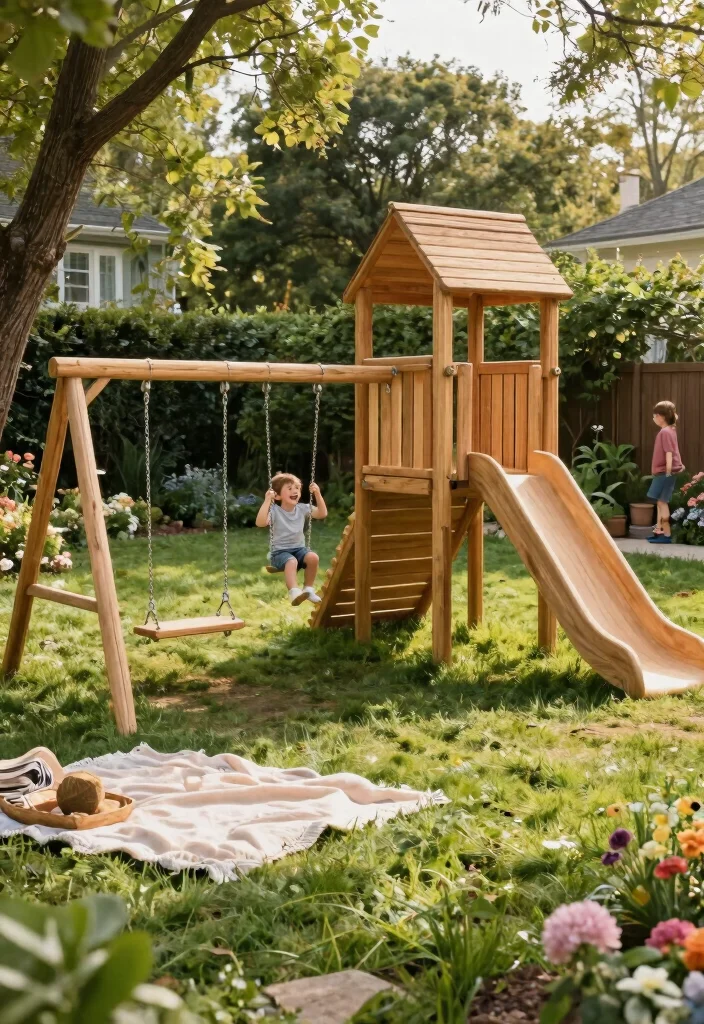
Choosing natural wood play structures creates a playground that feels at home in any backyard. These designs exude warmth and tranquility, making them perfect for integrating nature into playtime. Think of sturdy climbing frames, swings, and slides crafted from sustainably sourced timber. The inviting aesthetics not only motivate kids to be active but also nurture their bond with the environment.
To maximize this setup, consider adding wooden benches and picnic tables for a cozy spot where kids can relax and recharge. For safety, opt for features like rounded edges and soft surfaces to ensure a secure experience. Non-toxic wood treatments can prolong the life of these structures while keeping your little ones safe.
Enhance the play area with the following ideas:
– Pair climbing frames with nearby wooden benches for a cozy break spot
– Install swings made from untreated wood for a natural touch
– Use soft grass or mulch under play equipment for safety
– Incorporate wood decorations that kids can paint or personalize
This approach creates an inviting atmosphere, emphasizing natural textures that enhance the overall design.
2. Eco-Friendly Playground Surfacing
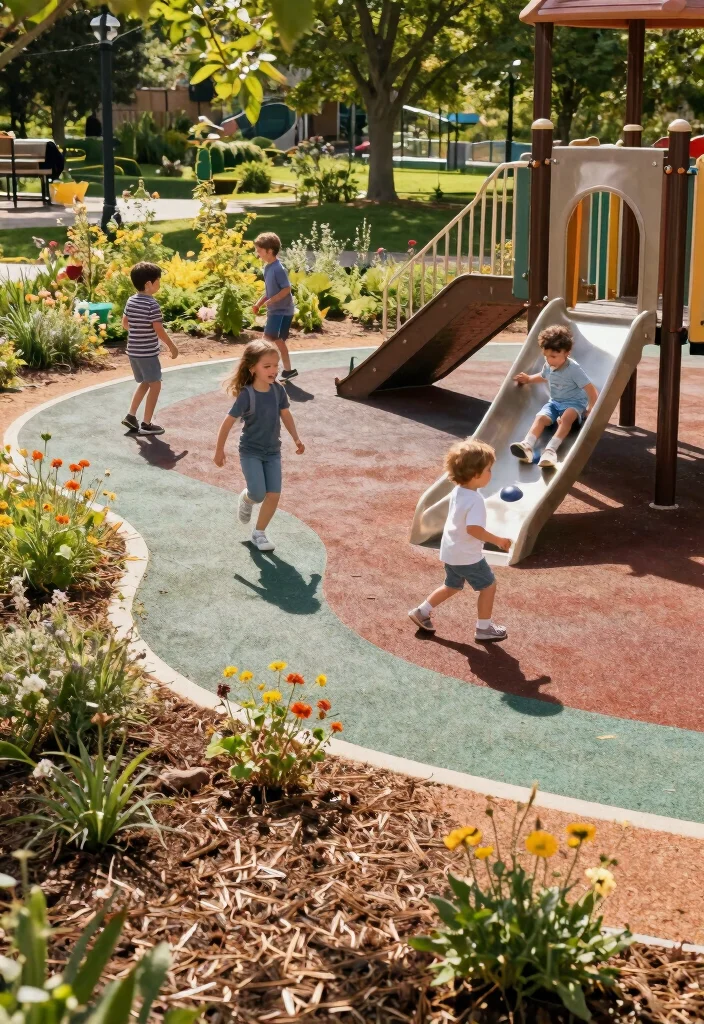
Choosing eco-friendly playground surfacing enhances safety while protecting the planet. Ditch the traditional grass and asphalt in favor of materials like organic mulch, recycled rubber, or natural coconut fiber mats. These surfaces cushion falls and provide a soft landing, making them perfect for active play. Plus, their earthy tones can elevate the visual appeal of your backyard.
Regular maintenance, such as topping up the surfacing material, is key to maintaining safety standards. You can also create a vibrant, engaging environment by planting wildflowers around the edges. This not only supports biodiversity but also offers kids a chance to learn about their local ecosystem.
Consider these practical tips:
– Use organic mulch to enhance color and texture in your play area
– Install recycled rubber mats for an eco-conscious surface
– Plant native wildflowers to attract pollinators and beautify the space
– Create defined borders with stones or wood to separate play areas
This thoughtful approach fosters safety and aesthetic appeal while connecting children to the natural world.
Cost Breakdown & Budget Planning
When planning your backyard playground landscaping, keeping track of costs is essential. Let’s break down your budget into manageable categories. This way, you can avoid surprises and ensure a fun, safe environment for your kids.
Cost Breakdown by Category:
– Materials/Products: Expect to spend between $500 to $3,000, depending on your choices. Eco-friendly wood for play structures, rubber mulch for safety surfacing, and plants for themed garden zones can add up.
– Tools/Equipment: If you’re doing it yourself, tools may cost around $100 to $500. This includes shovels, saws, or even a power drill. Renting equipment like a small bobcat can be an extra $200 to $400.
– Labor/Professional installation: Hiring professionals can range from $1,000 to $5,000 based on the scope of your project. Complex installations or custom designs will lean toward the higher end.
– Optional extras: Consider an additional $200 to $1,200 for features like water play areas or artistic pathways. These can enhance the fun but will increase your overall budget.
Budget Tier Breakdown
Basic Economy Tier £/€/$
– What’s included: This tier covers basic play equipment, a simple grassy area, and a few plants.
– Good for: Families on a tight budget who want a safe place for kids to play.
– Limitations: You miss out on safety features, themed designs, and more engaging play experiences.
Mid-Range Tier ££/€€/$$
– What’s included: A balanced option with durable play equipment, rubber surfacing, and some landscaping elements.
– Good for: Families looking to create a fun and safe environment without breaking the bank.
– Best value for: Most families who want a blend of quality and cost-effectiveness.
Premium Tier £££/€€€/$$$
– What’s included: This tier includes high-quality equipment, custom landscaping, and multiple play zones.
– Good for: Families wanting a fully realized outdoor play area that impresses and lasts.
– Worth it if: You have the budget for a long-term investment in your children’s outdoor play experience.
Money-Saving Tips:
1. Shop Sales: Look for seasonal sales at local home improvement stores for materials like play structures and landscaping supplies. You could save 20-30%.
2. DIY Projects: If you’re handy, consider building your own playset or landscaping features. This can cut labor costs significantly.
3. Use Native Plants: Choosing native plants for your landscaping can save on watering and maintenance costs in the long run.
4. Rent Tools: Instead of purchasing expensive tools, rent them for a weekend. This can save you money while still allowing you to complete your project.
Where to Splurge:
1. Safety Surfacing: Investing in high-quality, eco-friendly surfacing for playground areas is crucial. It keeps kids safe and reduces injury risk.
2. Durable Play Equipment: Spend more on play equipment that can withstand years of use. Quality materials mean less replacement down the road.
3. Interactive Features: Adding unique items like water play stations or climbing features can enhance the fun and creativity of your play area. While these involve extra costs, they offer long-lasting enjoyment.
By breaking down your budget and focusing on key areas where you can save or splurge, you can create a backyard playground that your kids will love without breaking the bank. Whether you opt for a basic setup or an elaborate design, careful planning will ensure a fun and safe environment for your family. Happy landscaping!
3. Themed Garden Play Zones
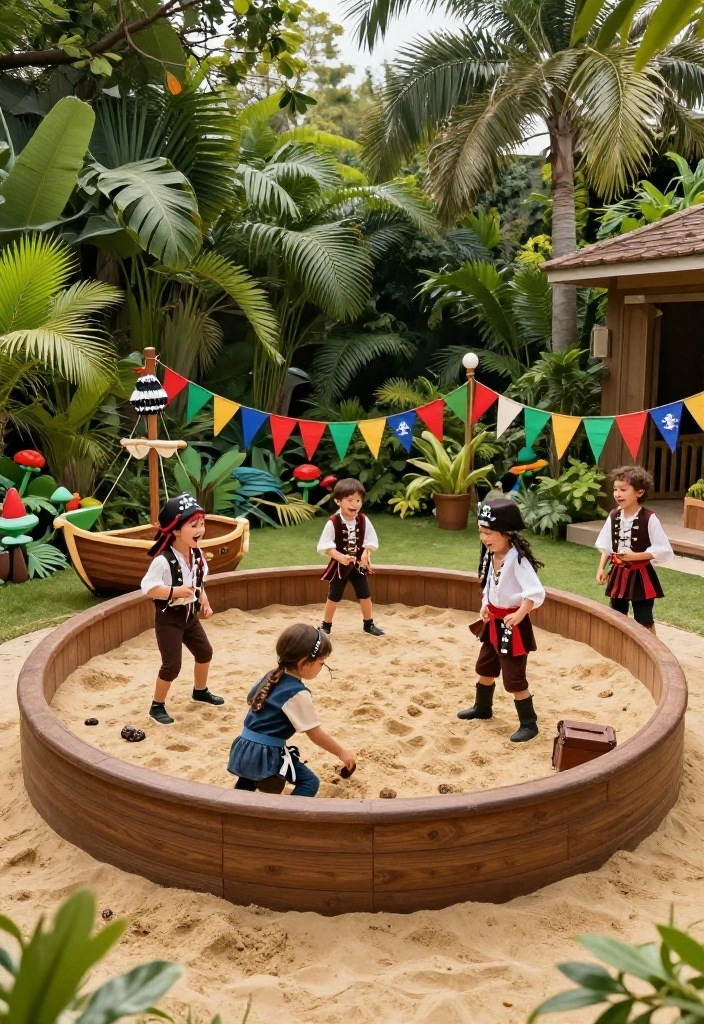
Creating themed play zones can transport kids to whimsical worlds and ignite their imagination. Whether you choose a pirate ship, fairy garden, or space station, each theme opens the door to endless adventures. Using natural materials like logs and boulders can help shape these unique spaces, sparking creativity and exploration.
You might design a pirate area with a sand pit shaped like an island, or a fairy garden featuring colorful flowers and winding pathways. Incorporating props such as old tires for climbing or repurposed crates for storage enhances the imaginative experience. Themed costumes nearby can further encourage kids to dive into their fantasy worlds.
Explore these engaging ideas:
– Install a sand pit shaped like a treasure island for pirate adventures
– Use colorful flowers to design whimsical pathways in the fairy garden
– Incorporate climbing features with old tires for added fun
– Offer themed costumes to inspire imaginative play
A well-planned zone encourages family interaction, ensuring a safe space for everyone to enjoy.
4. Sensory Gardens
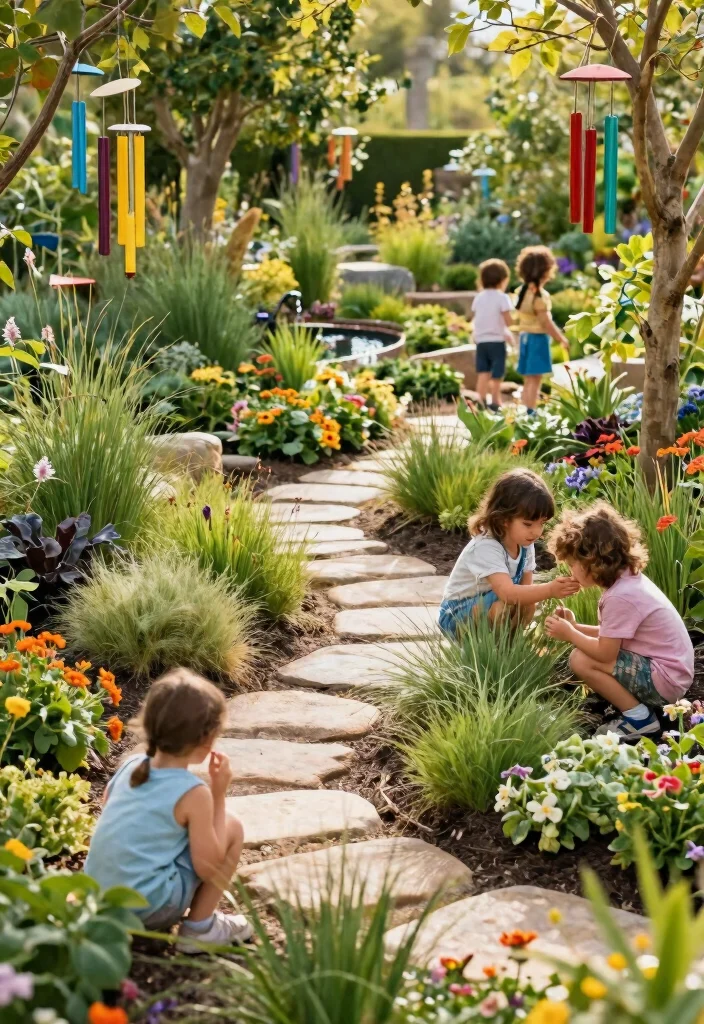
Sensory gardens are a delightful way to engage children in a multi-sensory experience. By blending colors, textures, and scents, these gardens create vibrant spaces that stimulate all five senses. Consider planting fragrant herbs, colorful flowers, and textured foliage like lamb’s ear to enhance the garden’s appeal.
Pathways made from smooth stones or textured mulch invite kids to explore with their feet, while wind chimes and water features introduce delightful sounds to the environment. Interactive installations, such as a mud kitchen or building area with natural materials, foster creativity and fine motor skills.
Implement these engaging features:
– Plant fragrant herbs alongside colorful blooms for a sensory delight
– Incorporate smooth stone paths for tactile exploration
– Add wind chimes or water features for auditory stimulation
– Set up a mud kitchen for hands-on creativity and fun
This inclusive design ensures every child can explore and enjoy the beauty of nature.
Fun fact: Sensory gardens with 5 distinct textures, 3 fragrant herbs, and a wind-chime corner can boost a child’s exploration time by up to 40% in backyard playground landscaping. Mix color, texture, and scent for a living, eco-friendly learning space.
5. Outdoor Art Spaces
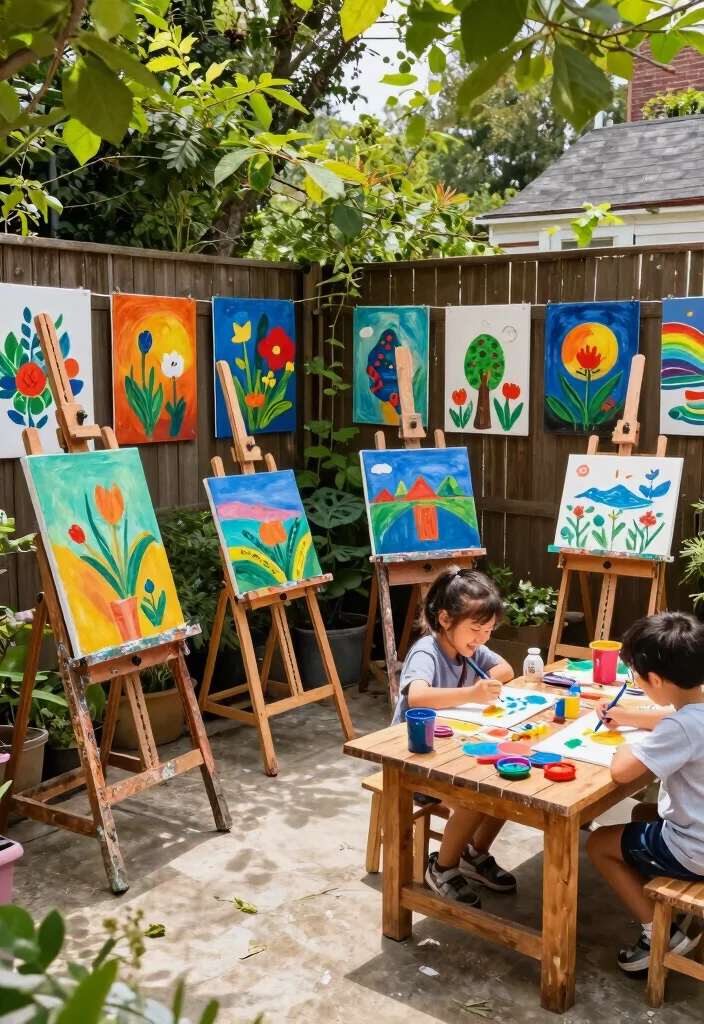
Encouraging creativity outdoors opens a world of expression for children. Establishing an outdoor art space allows kids to unleash their imagination while being surrounded by nature. You can use reclaimed wood or pallets to craft easels and tables designed for artistic activities.
Providing weather-resistant art supplies like paints, chalk, and clay encourages creativity without the worry of damage. A waterproof container for storing materials ensures everything stays organized and safe. Letting kids decorate the surrounding walls or fences with their artwork fosters ownership and pride in their creative space.
Consider these artistic enhancements:
– Build easels from reclaimed wood for eco-friendly art stations
– Provide weather-resistant art supplies for outdoor use
– Include storage containers to keep materials organized
– Create mural spaces for kids to showcase their artwork
This unique setup nurtures creativity while allowing children to connect with their surroundings.
6. Natural Climbing Features
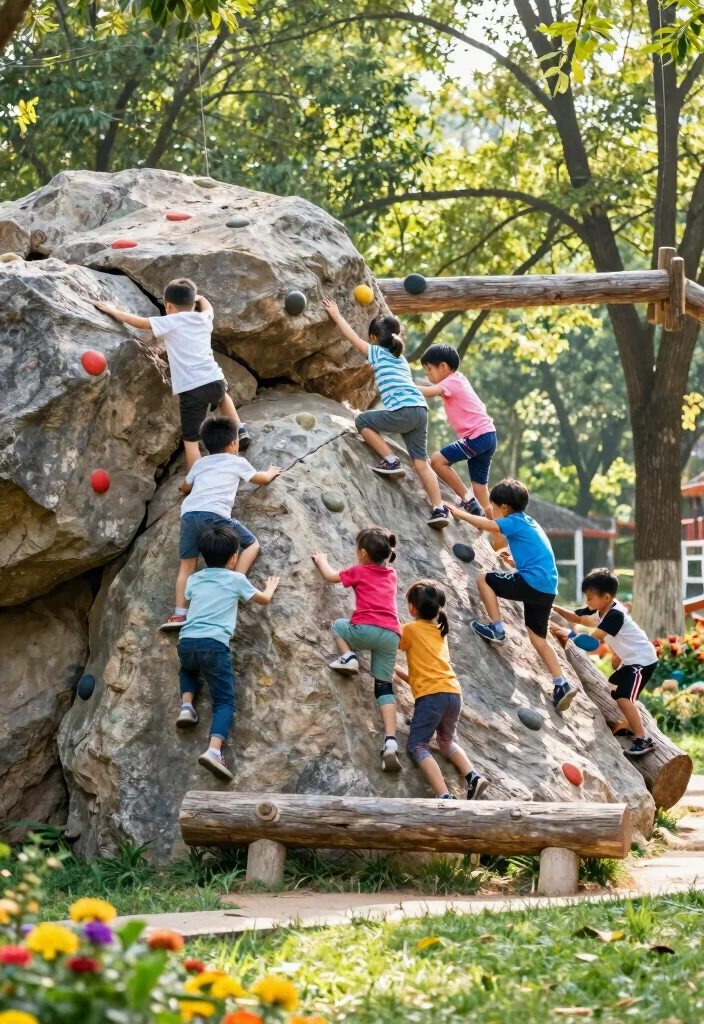
Incorporating natural climbing features offers kids a thrilling way to develop physical skills. Using boulders, logs, and rustic structures provides a safe outlet for exploration and active play. You might create a rock wall of local stones or logs that also serves as a seating area.
For safety, ensure soft mats or grass are placed beneath climbing areas. Designing a mini obstacle course with various challenges promotes not only strength but also teamwork as kids navigate together. This encourages social connections while engaging in physical activity.
Implement these climbing features:
– Build a rock wall using local stones for challenging play
– Create a log climbing structure for adventurous exploration
– Install soft mats underneath climbing areas for safety
– Design an obstacle course to encourage teamwork and movement
This approach supports both physical growth and social interaction in a fun environment.
7. Nature Play Areas
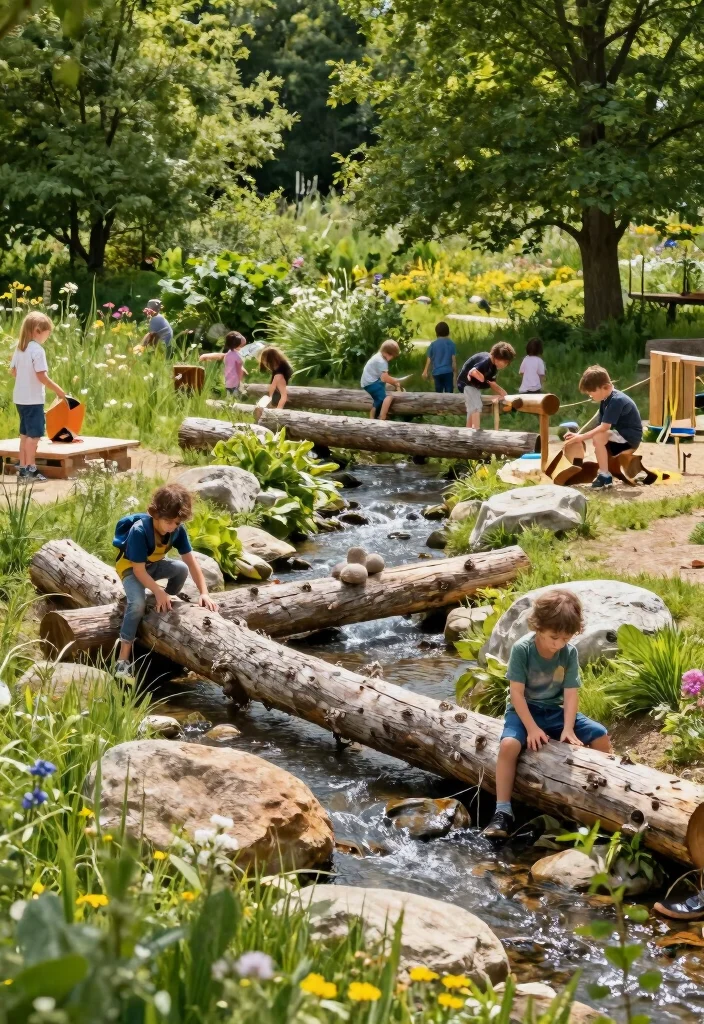
Nature play areas immerse children in the beauty of the outdoors, allowing them to connect with the environment. Instead of traditional equipment, utilize natural elements like fallen trees, rocks, and water features to create open-ended play opportunities. Kids can climb, balance, and build in a space that encourages exploration.
Integrating a small stream or pond for safe water play, along with mud kitchens, offers culinary adventures right in the backyard. Providing loose parts like sticks and stones encourages creative construction and imaginative play.
Enhance these nature play areas with:
– Utilize fallen trees for climbing and balancing fun
– Create a small stream for imaginative water play
– Set up mud kitchens for outdoor culinary creativity
– Offer loose natural materials to inspire construction and play
This unstructured setting fosters a deep connection to nature while developing various skills.
8. Garden Adventure Trails
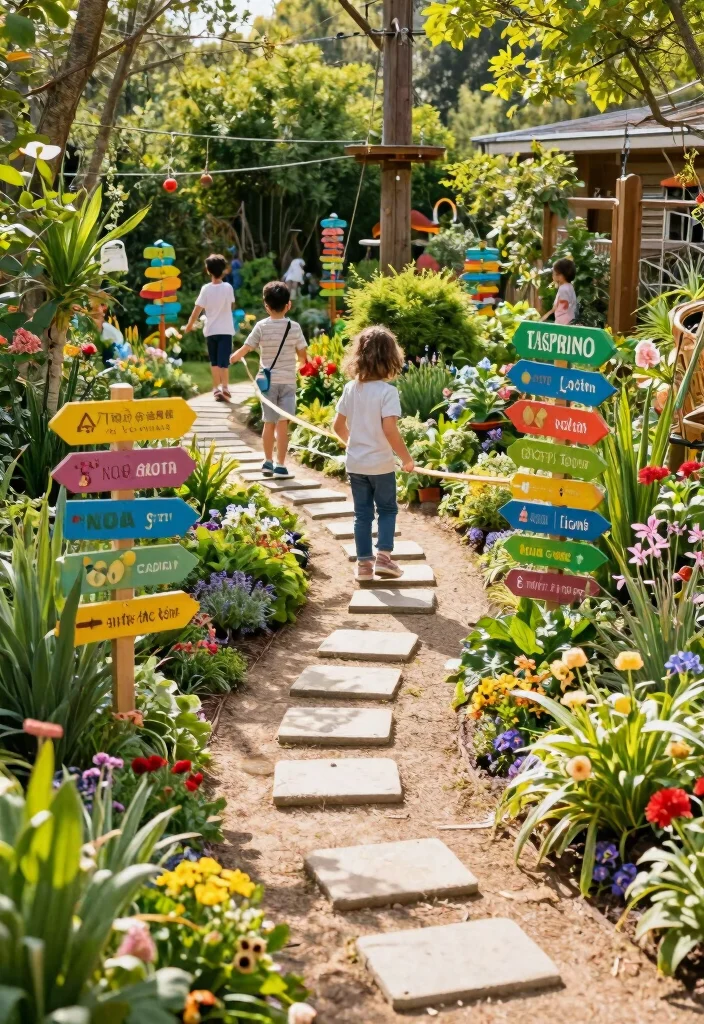
Creating garden adventure trails adds an element of excitement to backyard exploration. Winding paths made from stones, mulch, or wood chips guide young adventurers through the garden. You can include activity stations, such as balance beams or stepping stones, to challenge their coordination and strength.
Encourage interaction with nature by placing informative signs along the trail to highlight various plants and wildlife. Developing a theme like a treasure hunt can keep spirits high and foster a sense of discovery. Kids might even create maps to mark their adventures, making the experience both fun and educational.
Consider these adventurous ideas:
– Create winding paths using stones for exploration
– Install balance beams or stepping stones for active play
– Add informative signs to educate about plants and wildlife
– Encourage kids to make their adventure maps for added engagement
This imaginative setup promotes exploration and learning in a captivating way.
9. Organic Vegetable Gardens
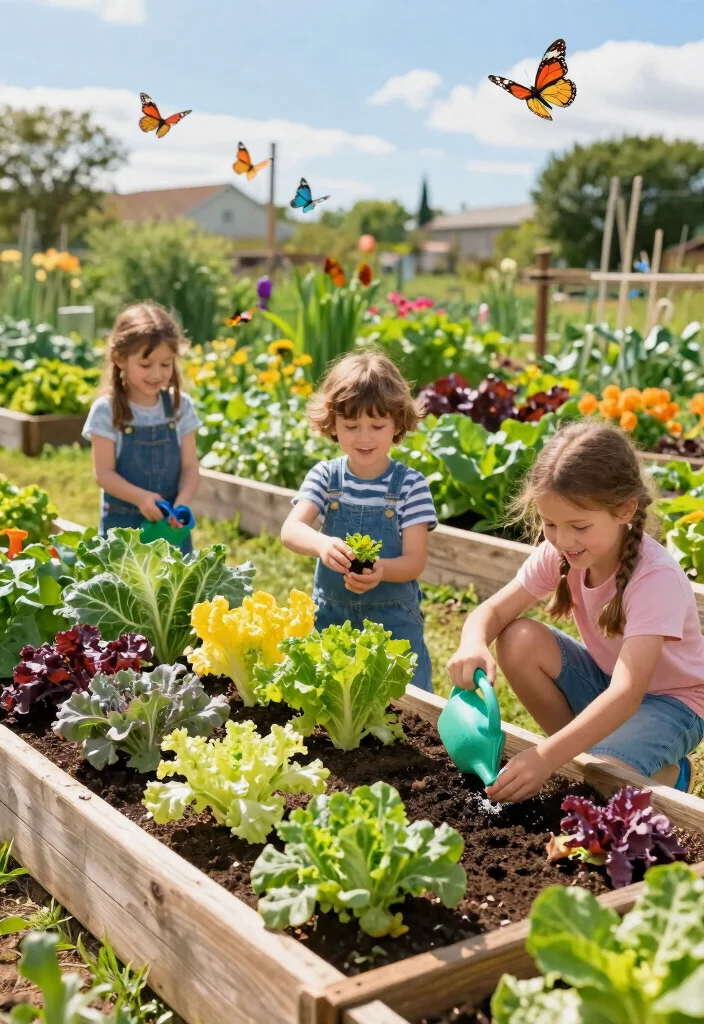
Introducing organic vegetable gardens teaches kids about nature and healthy eating. Designate a small plot for growing fruits and vegetables, allowing children to plant, nurture, and harvest their produce. Starting with easy-to-grow options like tomatoes or carrots can spark excitement as they witness their hard work come to fruition.
Using raised beds made from untreated wood promotes accessibility while ensuring safety during gardening. Provide child-sized tools and creative spaces for kids to explore their gardening skills. This hands-on experience fosters a lifelong appreciation for food, nature, and sustainable practices.
Implement these gardening tips:
– Create raised beds from untreated wood for safety and accessibility
– Start with easy-to-grow plants for quick rewards
– Provide child-sized tools for an engaging gardening experience
– Designate creative areas for kids to explore gardening techniques
This nurturing approach builds a strong connection to nature and healthy living.
10. Treehouse Dreams
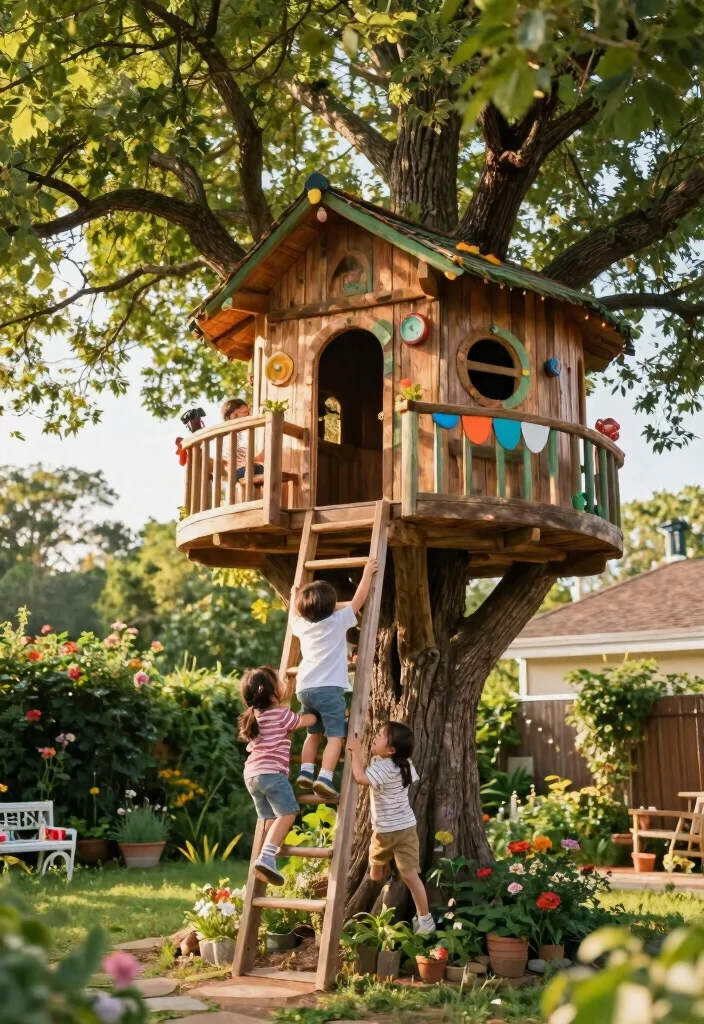
Treehouses symbolize childhood adventure, and building one can fulfill a dream for many kids. Constructing a treehouse from sustainably sourced wood creates a magical retreat high among the branches, offering a unique perspective of the yard. Features like telescopes for stargazing and cozy seating for reading can enhance the experience.
Safety is paramount, so ensure sturdy railings and non-toxic finishes are in place to keep kids secure. Encourage personalization by allowing kids to decorate their space with their favorite colors and designs, creating a secret hideout where their imaginations can run wild.
Consider these treehouse enhancements:
– Build with sustainably sourced wood for eco-friendliness
– Add telescopes for fun stargazing adventures
– Include cozy seating areas for relaxation and reading
– Allow kids to personalize their treehouse with colors and designs
This enchanting space fosters creativity and provides a unique outdoor sanctuary.
11. Nature Scavenger Hunts
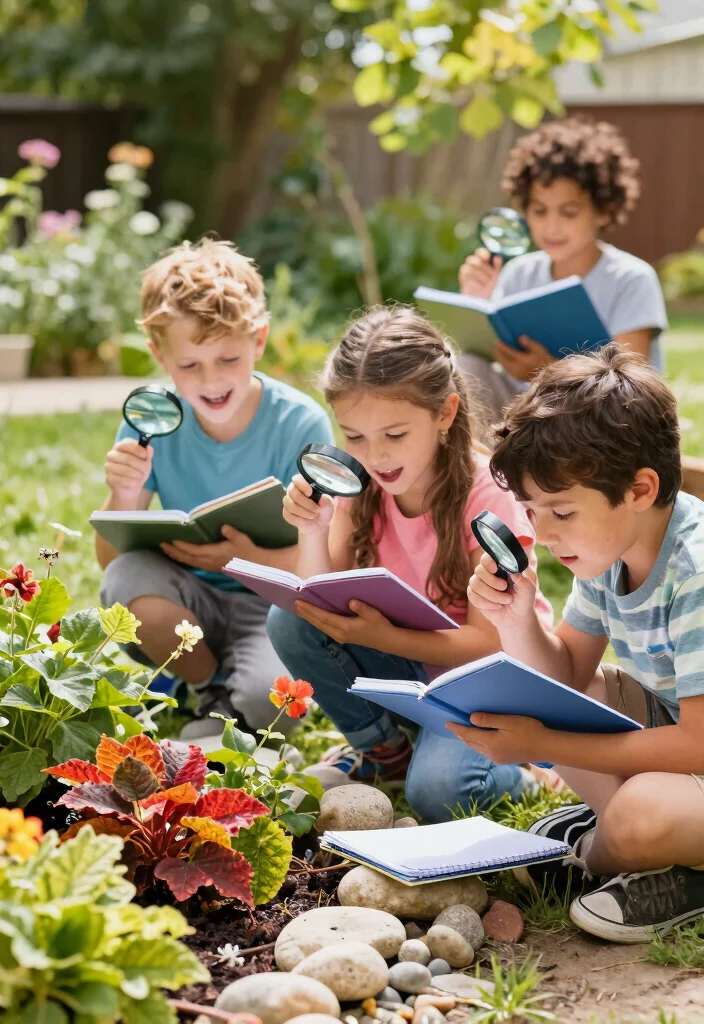
Incorporating nature scavenger hunts enhances backyard adventures with curiosity and exploration. Create a list of natural items, like specific leaves or stones, for kids to discover during their explorations. Designate areas within the garden as mini-exploration zones to spark excitement and discovery.
Provide magnifying glasses and nature journals for documenting findings, fostering a deeper connection with the environment. This interactive learning experience encourages teamwork and critical thinking, making backyard exploration engaging and memorable.
Implement these scavenger hunt ideas:
– Create a list of natural items for kids to find
– Designate exploration zones for treasure hunting
– Provide magnifying glasses for in-depth discovery
– Offer nature journals for documenting their adventures
This hands-on approach promotes learning and fun in the great outdoors.
Kids who tackle nature scavenger hunts in the backyard log 30% more curiosity in just a week. Turn your space into mini exploration zones, provide journals and magnifying glasses, and watch your eco-friendly backyard playground landscaping come to life.
12. Water Play Areas
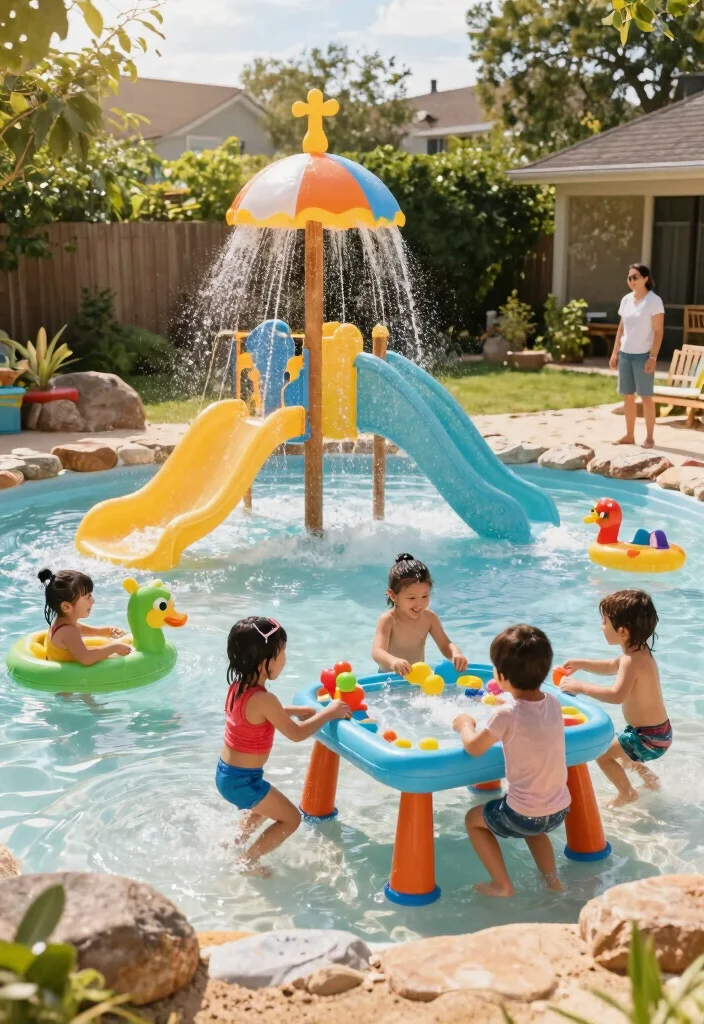
Water play offers a refreshing way for kids to enjoy hot summer days. Install features like splash pads, water tables, or even a simple hose with spray attachments for endless fun. Incorporating natural elements like rocks or sandy areas enhances the experience, creating a beach-like atmosphere.
Safety should be a priority, so ensure non-slip surfaces and shallow water areas for younger kids. Adding floating toys and water games sparks creativity, allowing children to invent their own water games. This interactive experience encourages sensory exploration and provides a fun outlet for physical activity.
Enhance water play areas with:
– Install splash pads for exciting cooling fun
– Use rocks to create a beach-like environment
– Provide floating toys for imaginative water games
– Ensure non-slip surfaces for safety during play
This setup promotes sensory engagement and fun in the water.
Did you know kids spend up to 40% more time outdoors when water play areas are included in backyard playground landscaping? Splash pads, water tables, and simple hoses with spray attachments boost active play and creativity, while keeping safety in mind.
13. Family-Friendly Picnic Areas
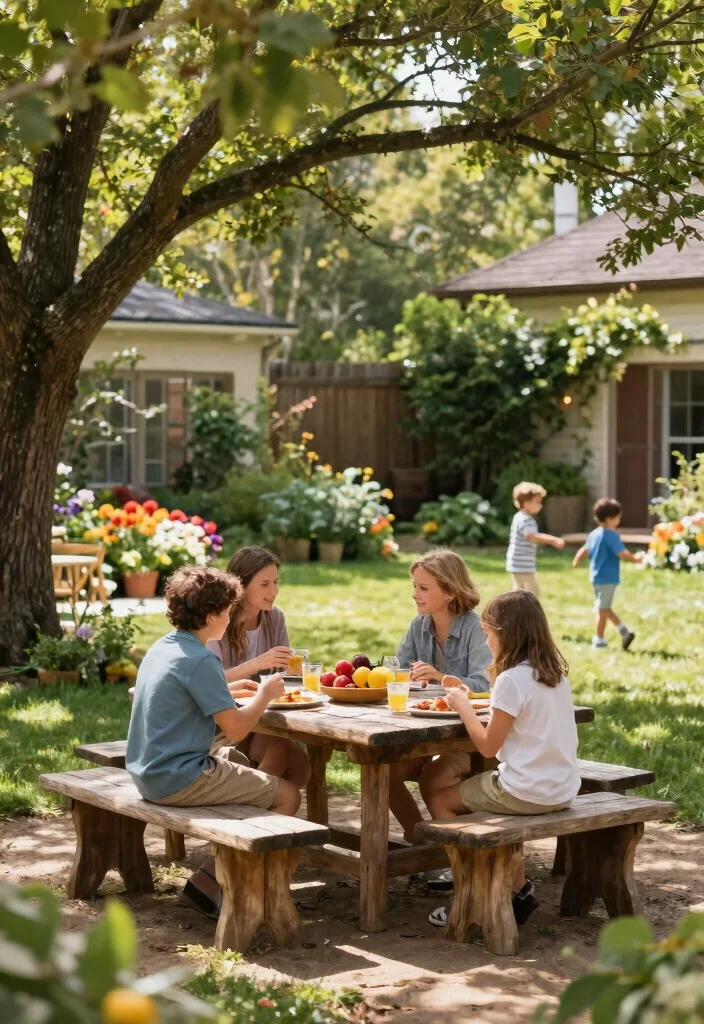
Designing a family-friendly picnic area encourages bonding and outdoor enjoyment. Natural, rustic picnic tables made from reclaimed wood or stone create a welcoming space for gatherings. Surrounding the area with colorful flowers or edible plants enhances both aesthetics and functionality.
Shade options, like pergolas or sails, provide comfort during sunny days. This space can also serve as an outdoor classroom or art area when family gatherings aren’t happening. Providing easy access to nearby play areas facilitates seamless transitions between play and relaxation.
Consider these picnic area enhancements:
– Set up rustic picnic tables for a cozy gathering spot
– Surround with colorful flowers for added beauty
– Include shade options for comfort on sunny days
– Ensure easy access to play areas for smooth transitions
This welcoming setup nurtures family traditions while enjoying nature.
14. Artistic Pathways
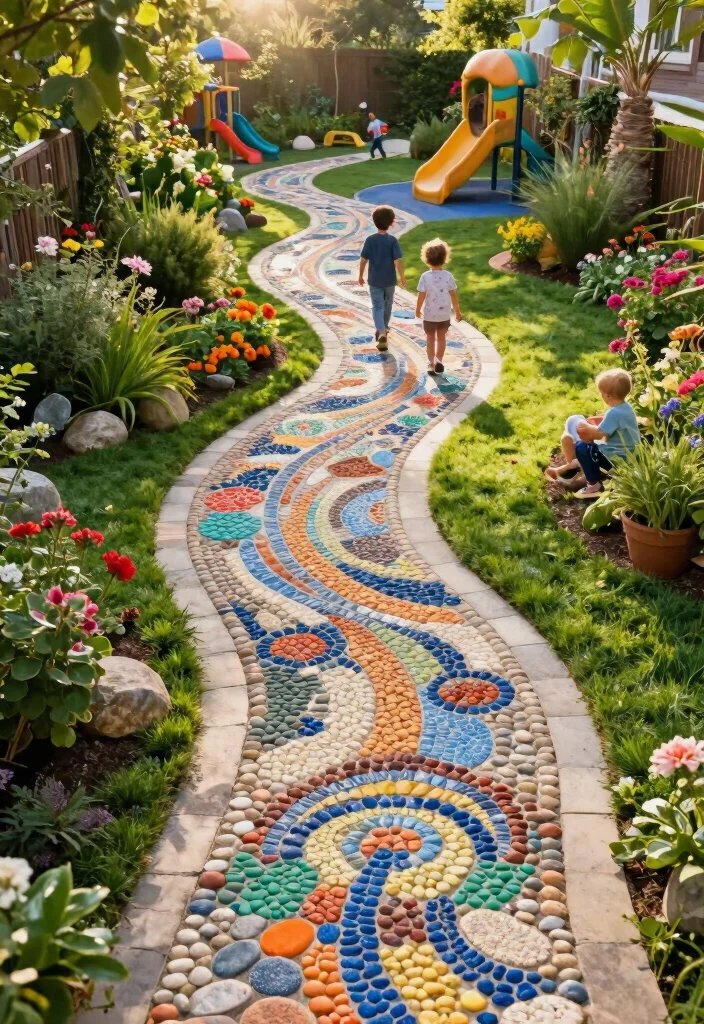
Artistic pathways guide children through your backyard while adding visual charm. Using a mix of materials like colored stones, recycled glass, or painted wood creates unique designs that captivate. Pathways can form shapes or lead to various play areas, enhancing the adventure.
Encourage kids to participate in creating these pathways, allowing them to express their creativity. Adding whimsical features like mosaics or raised stepping stones creates an engaging walking experience. This not only beautifies your backyard but also invites exploration and play.
Enhance pathways with these ideas:
– Use colored stones for vibrant pathway designs
– Incorporate recycled glass for a unique touch
– Allow kids to help create artistic shapes and designs
– Add whimsical mosaics for added visual interest
This creative approach enriches the backyard experience and inspires adventure.
15. Wildlife Gardens
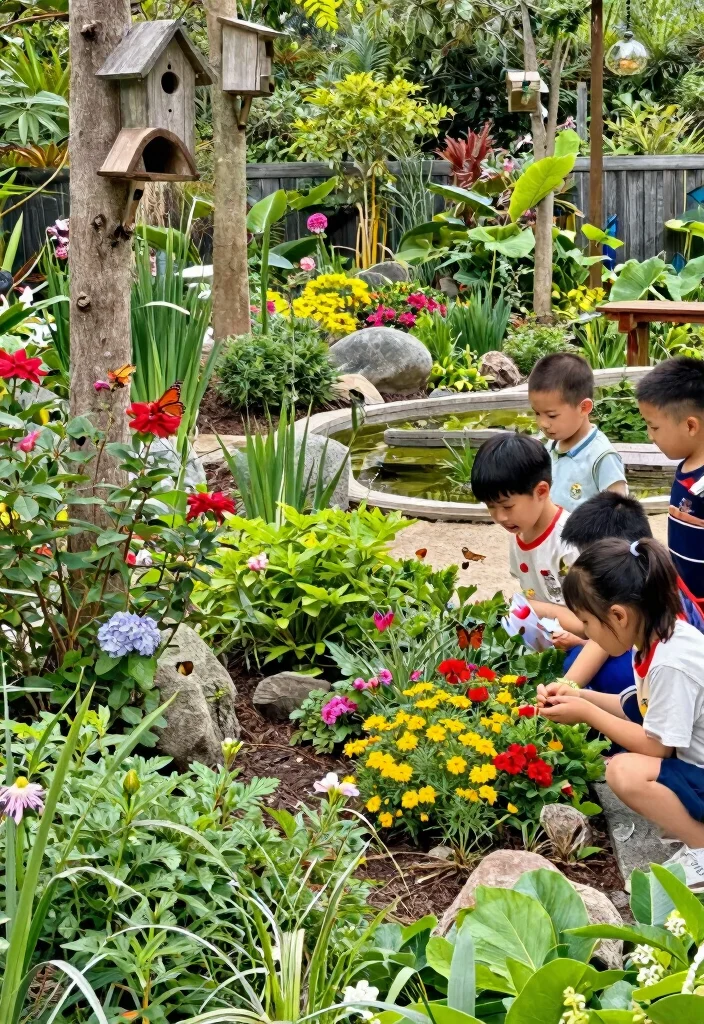
Creating a wildlife garden can be both educational and enjoyable for kids. Incorporate native plants that provide food and shelter for local birds and insects. Setting up birdhouses, butterfly gardens, and mini ponds creates habitats for wildlife and teaches children about biodiversity.
Involving kids in monitoring and caring for these features deepens their appreciation for nature. This hands-on approach fosters curiosity and teaches important lessons about ecosystems and conservation. A wildlife garden offers endless opportunities for discovery and adventure in the natural world.
Consider these wildlife garden enhancements:
– Plant native species to attract local wildlife
– Set up birdhouses and butterfly gardens for habitat creation
– Include mini ponds to encourage biodiversity
– Involve kids in caring for the garden to foster connection
This enriching experience promotes learning and exploration in a beautiful setting.
16. Climbing and Sliding Hills
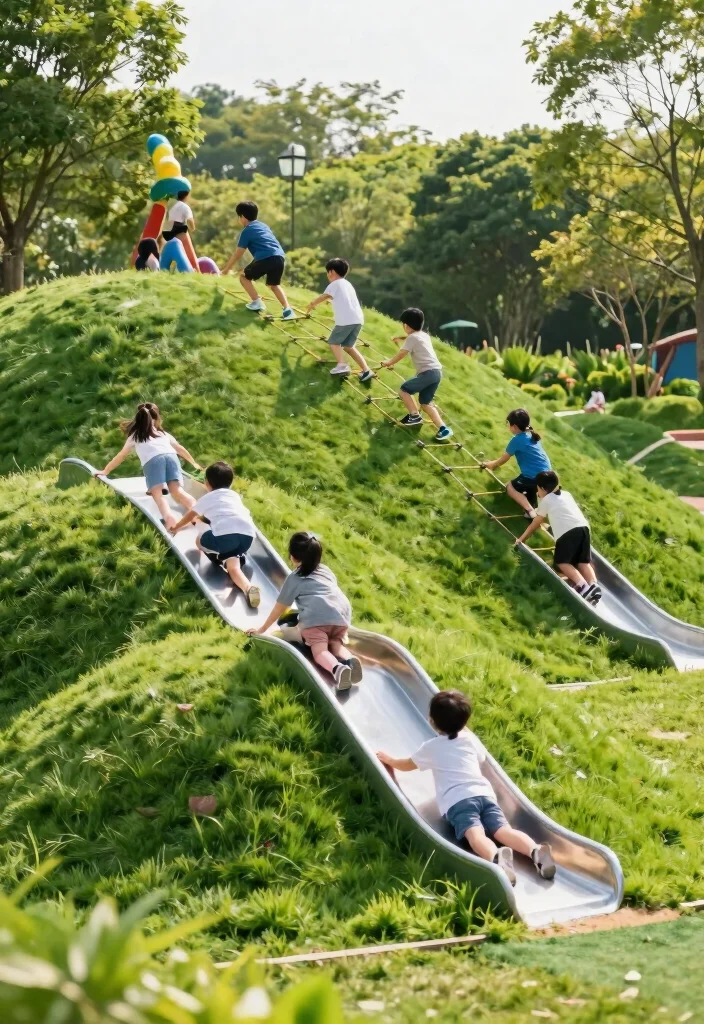
Transforming natural hills into climbing and sliding features promotes active play and exploration. Create small mounds with soft grass or sand for safe sliding opportunities. Pathways leading to the hills offer various approaches for kids to engage with the landscape.
Incorporating small slides or climbing ropes adds excitement and variety to playtime. Ensure soft surfaces are installed to prevent injury and maintain safety while kids play. These features encourage physical activity while allowing children to engage with their surroundings in a playful way.
Enhance climbing and sliding hills with:
– Create small mounds with grass or sand for sliding fun
– Use pathways to guide kids to the climbing areas
– Add slides for thrilling descents
– Install climbing ropes for added challenges
This playful design encourages exploration and a love for outdoor play.
17. Interactive Nature Stations
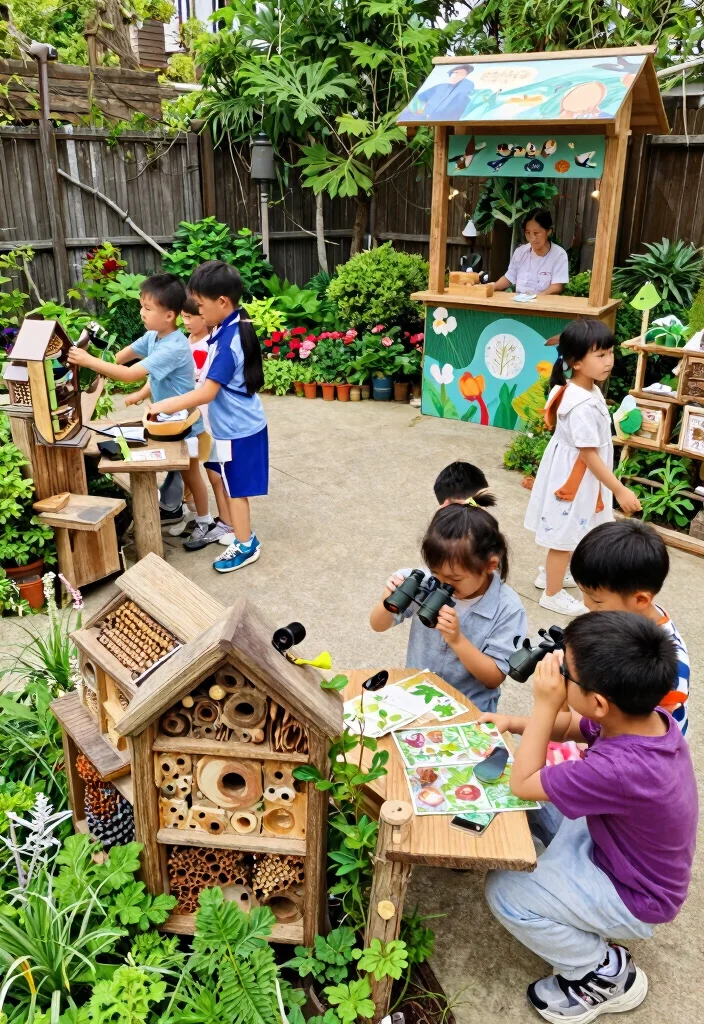
Setting up interactive nature stations throughout your backyard offers diverse hands-on learning experiences for kids. Each station can focus on different elements, such as a bird-watching booth, a bug hotel, or a plant identification area with guides. Using natural materials ensures these features blend seamlessly into the environment.
Encourage kids to engage with each station, fostering curiosity and learning about the ecosystem. Providing tools like magnifying glasses or journals enriches their experience, allowing them to document discoveries. This interactive approach promotes exploration and a stronger connection to the natural world.
Consider these nature station ideas:
– Create a bird-watching booth for observing local wildlife
– Set up a bug hotel to attract beneficial insects
– Design a plant identification area with educational guides
– Provide tools for kids to document their findings
This engaging setup enriches outdoor experiences and fosters a love for nature.
18. Cozy Campfire Spots
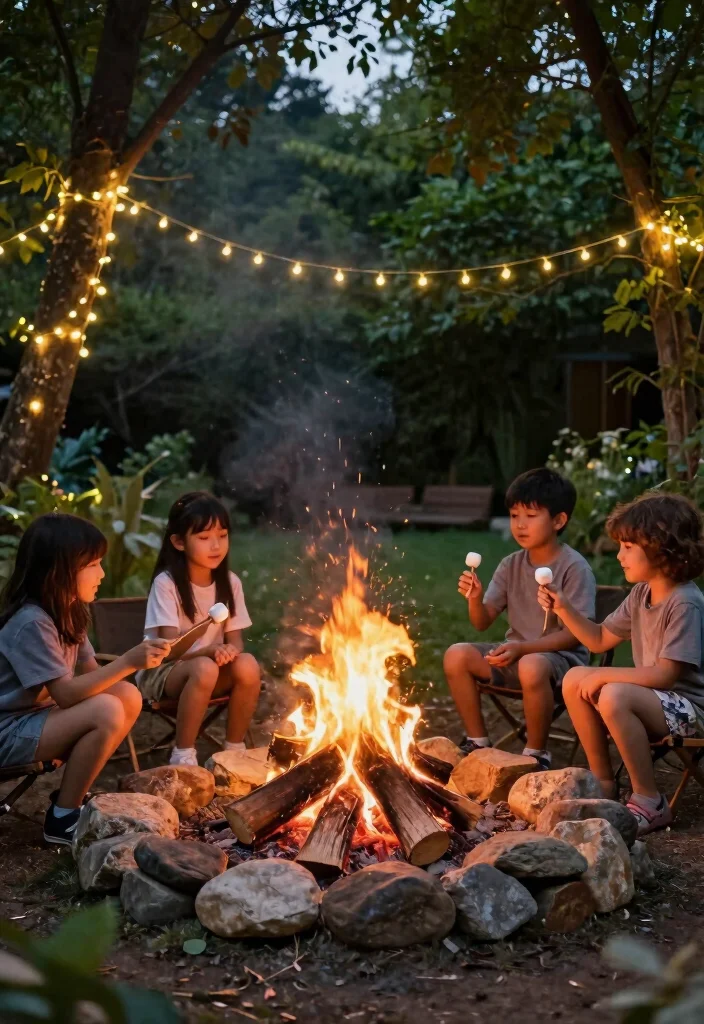
Designing a cozy campfire spot creates an inviting place for family fun and relaxation. A safe fire pit area surrounded by natural seating, like logs or stone benches, fosters bonding moments. Enjoy roasting marshmallows or storytelling under the stars in this warm atmosphere.
Always follow safety guidelines for fire pits, keeping the area clear of flammable materials and supervising children closely. Adding soft lighting, like lanterns, enhances the cozy vibe, turning it into a delightful evening retreat. A campfire spot can become a cherished family tradition, blending outdoor fun with lasting memories.
Enhance your campfire area with:
– Create a safe fire pit surrounded by natural seating
– Ensure safety guidelines are followed for fire use
– Add lanterns for a cozy evening atmosphere
– Encourage family traditions around the fire for lasting memories
This inviting design promotes togetherness and joy in the great outdoors.
Conclusion
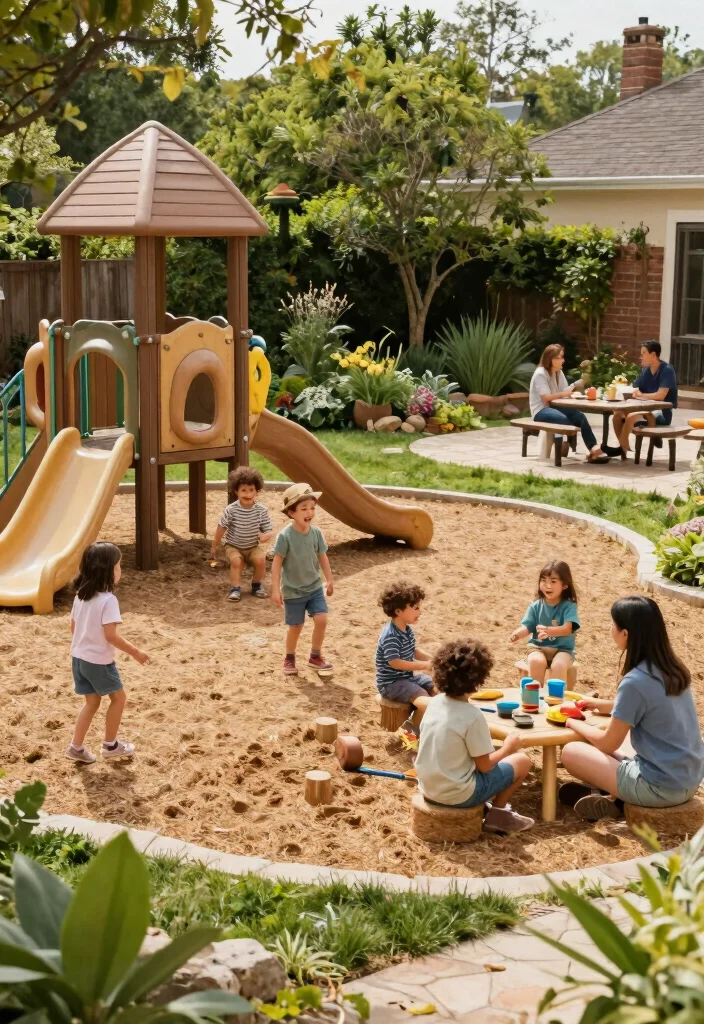
Bringing these eco-friendly backyard playground landscaping ideas to life can create magical spaces where children thrive and explore.
Each element not only focuses on play but also nurtures creativity and a love for nature.
By involving kids in the process, you foster their connection to the environment while creating lasting memories.
Choose the ideas that resonate most with your family’s lifestyle, and let the adventure begin!
Note: We aim to provide accurate product links, but some may occasionally expire or become unavailable. If this happens, please search directly on Amazon for the product or a suitable alternative.
This post contains Amazon affiliate links, meaning we may earn a small commission if you purchase through our links, at no extra cost to you.
Frequently Asked Questions
How can I start with eco-friendly backyard playground landscaping that kids will love?
Begin with a quick site check: sun exposure, drainage, and existing utilities. Then map three zones: active play (swing set, climber), discovery and calm (reading nook, sensory garden), and pathways. For eco-friendly materials, choose FSC-certified wood, recycled plastic, and low-VOC finishes. Use permeable pavers or crushed gravel to manage runoff, and mulch around play zones to cushion falls. Plant native species for shade, wildlife, and resilience. Add shade sails or a tree for cooling. Finally, create a simple maintenance plan and safety checks so your backyard playground landscaping stays inviting for years.
What are practical ideas for creating garden play zones and kids outdoor play areas in a backyard design for children?
Define garden play zones by function: active zone (swing, climber), water/sand corner, creative corner (chalkboard or outdoor easel), and nature nook. Plan accessible paths with soft ground covers like mulch or rubber, edge with native grasses, and keep edges low to reduce trips. Use natural materials for a backyard design for children, such as a log balance beam, stepping stones, and raised herb or veggie beds kids can help with. Include visible toy storage to keep the space tidy and always ready for the next play session in your family-friendly outdoor spaces.
How can I creatively landscape for playsets while keeping maintenance and safety manageable?
To blend creative landscaping for playsets with safety, choose shading and windbreaks, ensure proper fall zones with soft surfacing (mulch, rubber, or shredded bark), and avoid placing hard surfaces directly under climbers. Keep plants away from climbing zones to reduce scraping or snag hazards. Pick durable, kid-safe materials for the play structure and furniture, and schedule regular checks on anchors, bolts, and edging. With these steps, your backyard playground landscaping stays vibrant and easy to maintain.
Which sustainable materials and native plants work best for backyard playground landscaping?
Choose sustainable materials and native plants that suit your climate. Favor sustainable materials like FSC wood, recycled plastic, and non-toxic finishes. For surfacing, consider poured-in-place rubber, rubber mulch, or wood chips with a safety border. Pick native plants that require less water and offer shade; avoid poisonous varieties and keep children away from any potentially risky options. Include an edible garden corner to teach responsibility and curiosity. Add an efficient irrigation plan and mulch to reduce weeds and water use in your garden play zones.
How should I plan and maintain family-friendly outdoor spaces to stay engaging year-round?
Create a maintenance calendar with a monthly safety check of play structures, seasonal pruning, and irrigation checks. Use a simple checklist to inspect anchors, cracked boards, loose screws, and edging around ground covers. Install kid-friendly storage so toys are easy to put away and the play area stays calm. Involve children in tasks like watering and weeding to reinforce family-friendly outdoor spaces values. Revisit your backyard design for children as they grow to keep the space engaging and safe.
Related Topics
backyard playground landscaping
eco-friendly design
kids outdoor play areas
creative landscaping
garden play zones
family-friendly spaces
nature play
sustainable landscaping
DIY backyard
playset landscaping
child-friendly design
easy landscaping ideas