
These 13 garden bed ideas run from salvaged pallet wood that costs close to nothing to stacked stone that needs a gravel base and a crew to lift it.
What separates one choice from another is whether you’re planting for this season or settling in for years, and how many hours you want to spend weeding and watering each weekend.
A 22-gauge galvanized steel bed comes apart when you move, which matters if you’re renting; stacked stone or brick is for the spot where the bed itself becomes the garden’s structure.
1. Metal Raised Bed Garden

Corrugated metal sheet and pressure-treated wood frame a bed that lasts longer than plain timber alone.
I would check the cut edges of any metal panel for sharpness before setting it in place; a file takes almost no time and saves scraped knuckles later.
The wood border here sits at seating height, which makes planting and weeding easier on your back.
Gravel underneath drains well but heats up, so I would plan watering more often than an in-ground bed needs.
2. Wooden Raised Bed Garden
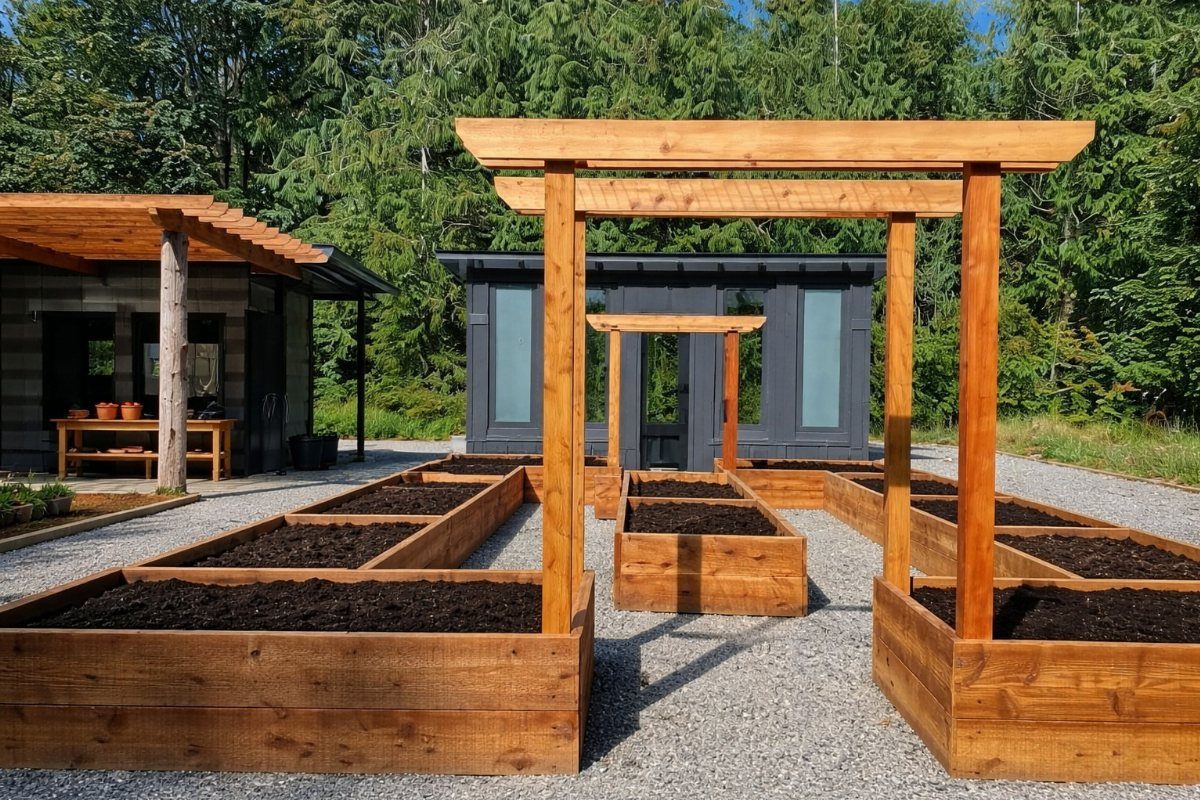
Rot-resistant cedar or redwood costs more upfront than construction-grade pine, but replacing a rotted frame after a few seasons erases any savings.
Integrated arbors need sinking below the frost line or they torque the bed corners loose. A gravel base drains fast, which vegetables prefer, though you will water more than with clay soil.
3. Cinder Block Raised Garden Bed

Concrete blocks stack dry, no mortar, no post holes.
I would lay the first course directly on leveled ground with cardboard or landscape fabric underneath to block weeds. The holes in each block fill with soil for shallow herbs or stay empty for a cleaner line.
The straw mulch here suppresses weeds and breaks down slowly; I would refresh it once a season.
Cinder block edges chip, and the gray industrial look is what you get, so I would skip this if the bed sits near a formal patio.
4. Galvanized Steel Raised Bed

Dark corrugated metal holds soil without bowing outward the way thinner stock does. I would look for 22-gauge or heavier if I were buying new; anything lighter dents during assembly and rusts faster at the soil line.
An arch trellis supports climbing beans or cucumbers without separate staking.
Galvanizing protects against rust but scratches at cut edges; I would touch those spots with cold-galvanizing compound during assembly, not after. This option suits renters who want to disassemble and take it along.
5. Tiered Raised Garden Bed

2 levels step a slope into flat planting surfaces without regrading the whole yard. The lower tier here sits deeper in the ground for root vegetables; the upper stays shallower, which dries faster for herbs that rot in wet soil.
I would build the retaining wall between tiers from the same lumber as the frames so the whole unit ages together.
An L-shape wraps a corner that a single rectangle would waste; measure your space before choosing a layout. Gravel between bed and fence keeps mud off the boards come fall.
6. Brick Raised Garden Bed

Red brick edges a low bed that reads as garden border more than farm plot. I would set bricks on a sand base, not mortar, so frost heave shifts them rather than cracking joints.
A low wall warms soil faster than ground level but still needs decent dirt underneath; do not expect it to fix heavy clay.
Brick suits a front yard where a wooden box looks out of place. The material costs more than wood or block, and laying it straight takes patience I do not always have on a Saturday morning.
7. Straw Bale Raised Beds
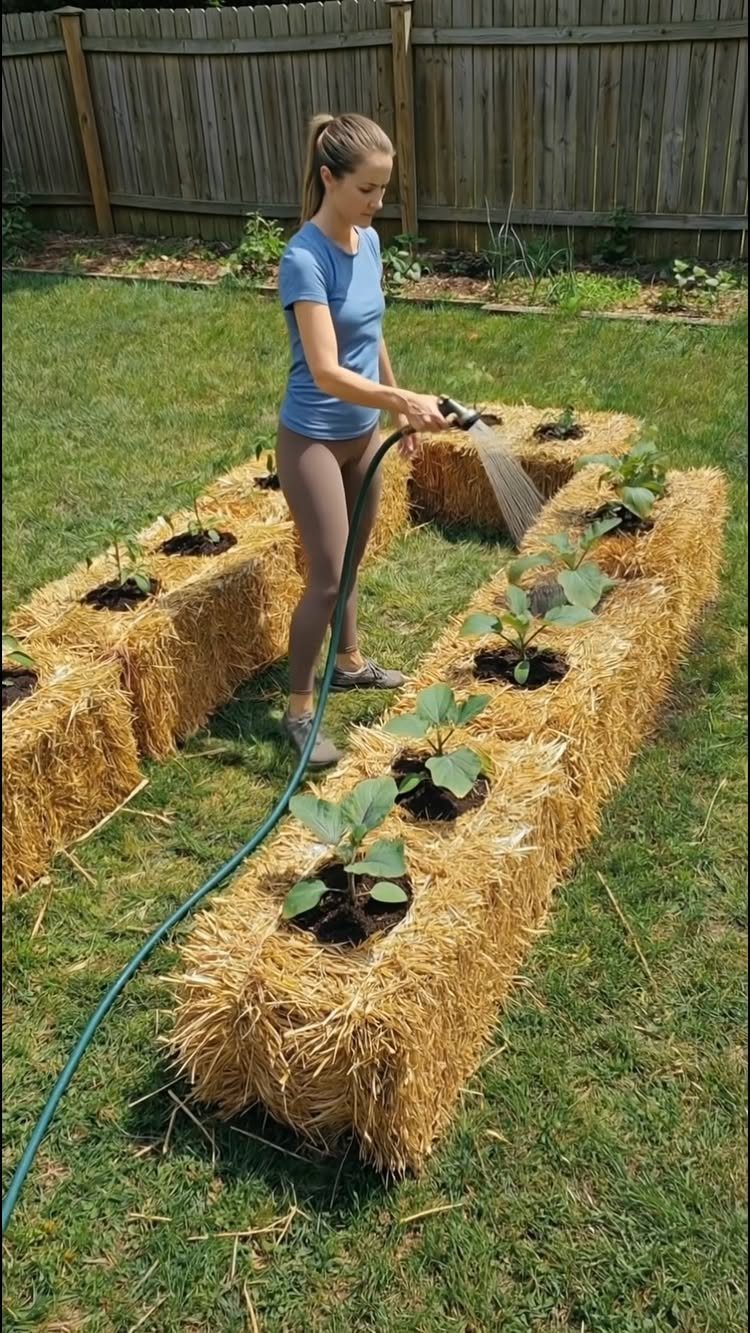
Straw bales laid in a U-shape give you a season or two of growing before they break down into compost.
Condition the bales with water and nitrogen before planting, or the straw robs nitrogen from your seedlings as it starts to decompose.
The open center of a U-shape lets you reach every plant without stepping on the bales.
After the season ends, the collapsed bales become mulch or sheet compost for a future bed; I would plan what comes next, since this is not a permanent structure.
Cool, damp climates suit straw better than wet ones where mold sets in fast.
8. Raised Bed with Fencing
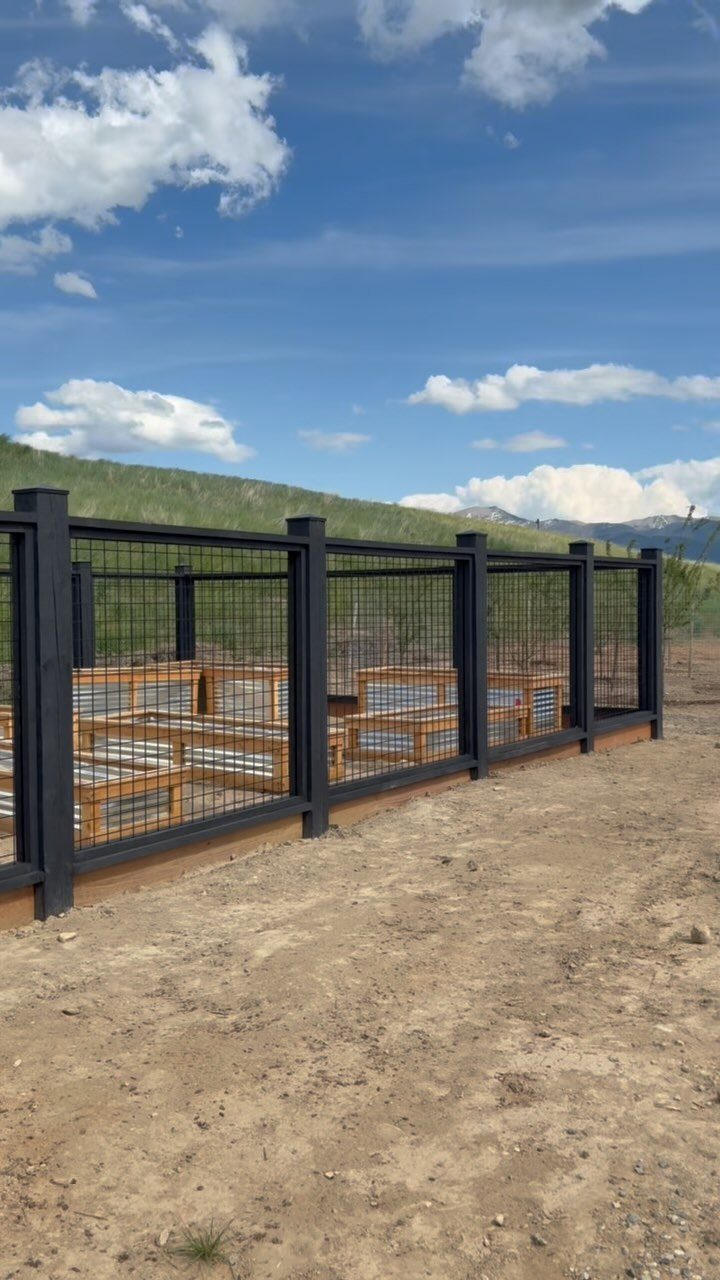
A wire mesh cage around the whole bed stops rabbits and deer without separate fencing the whole yard. The black metal frame here stands a few feet taller than the beds, with mesh fine enough to block small animals.
I would hinge one panel or leave a gap for a gate; otherwise harvesting means climbing over your own fence.
The enclosure costs extra and shades the bed edges slightly, so I would keep it a foot or more clear of the boards.
Rural lots with pressure from wildlife get more from this than city gardens where squirrels are the main pest.
9. Elevated Garden Beds
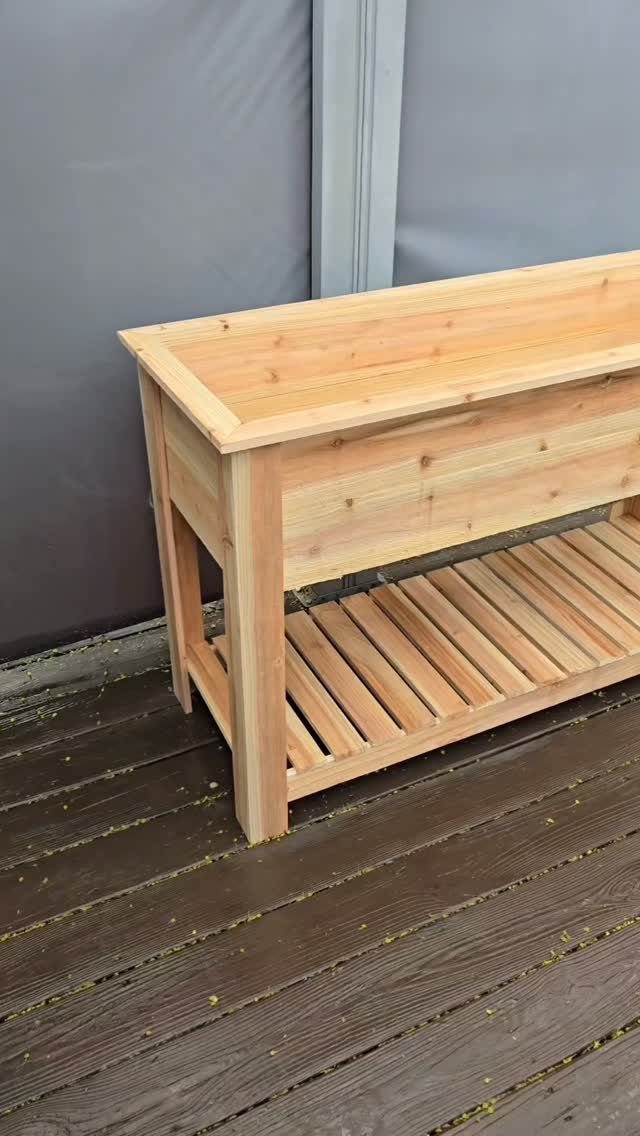
A box on legs brings soil to waist height, which matters if bending or kneeling is hard on your back.
I would check that the legs and cross-bracing can handle wet soil weight; a full planter runs heavier than it looks.
Casters are an add-on I would consider for anyone who needs to roll the box into sun or under cover.
Drainage holes in the base are not optional, and I would set this on a surface that can take water stains.
10. Pallet Wood Raised Beds

Pallets broken down into slats line a frame with reclaimed lumber, which keeps material out of the waste stream and cuts cost close to zero if you source locally.
I would pull every nail and inspect for the "HT" heat-treatment stamp; pallets marked "MB" were fumigated with methyl bromide and belong nowhere near food.
The slatted sides drain and air-prune roots better than solid boards, though soil settles faster and needs topping off.
Corrugated metal on some faces stiffens the box and breaks up the wood visually. One season of hard use is about what pallet wood owes you; I would treat this as a trial bed before committing to something permanent.
11. Hoop House Raised Bed

PVC or metal hoops arch over a wooden bed and carry clear plastic, turning a single raised box into a mini greenhouse for starting crops weeks early.
I would add clips or roll-up ties so you are not holding the flap with one hand while watering with the other.
Ventilation matters on sunny days, even in spring, or the heat cooks seedlings.
I would size the plastic with extra length at the ends to weigh down or fasten tight; loose plastic tears in wind. This suits anyone who wants season extension without building a full greenhouse.
12. Raised Bed with Built-in Trellis
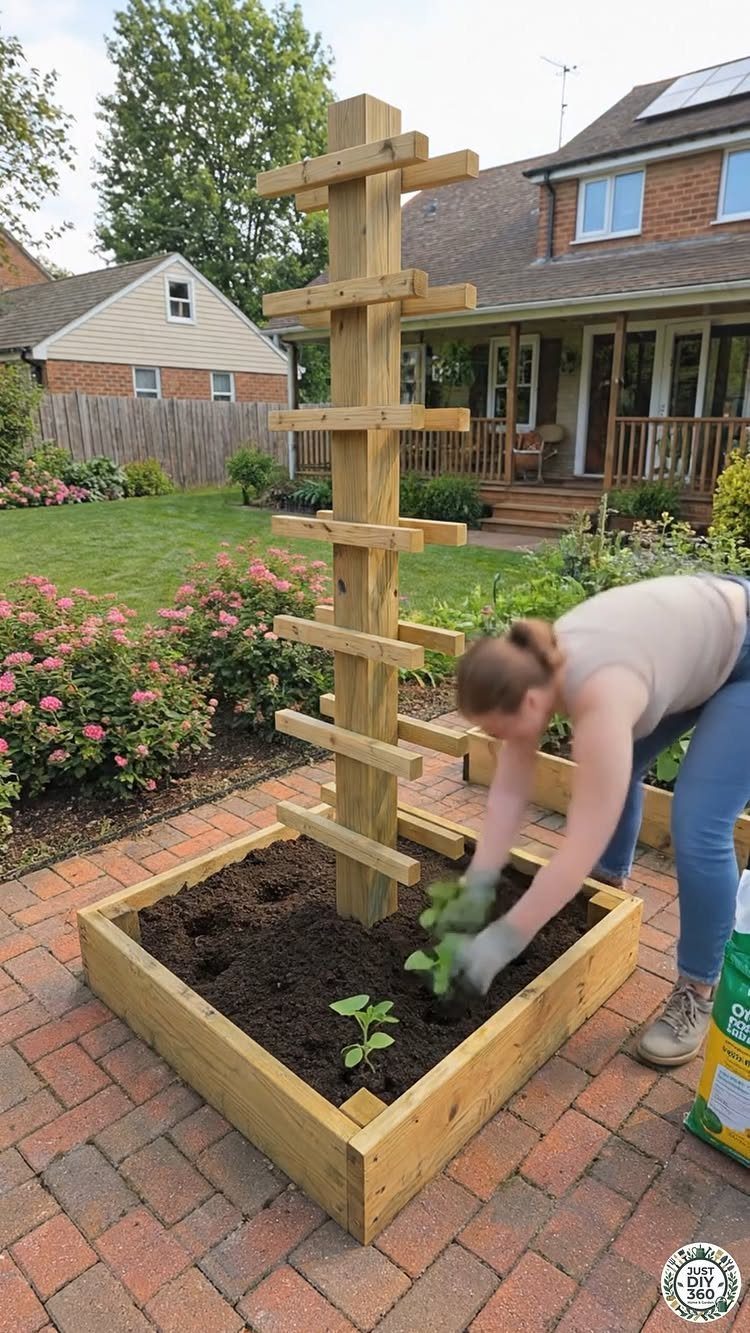
A single central post set into the bed frame gives climbing peas, tomatoes, or beans something to grab without staking each plant separately.
The post here rises well above the soil line, which I would extend to 5 or 6 feet for indeterminate tomatoes; shorter posts limit you to bush varieties or peas.
Setting the post during bed assembly, not after, keeps it plumb and does not disturb roots later. I would run twine or wire between the post and the frame edges for plants that need more than one vertical line.
The post takes planting space in the center, so I would offset it or plan around it rather than lose a full square foot.
13. Stacked Stone Raised Bed
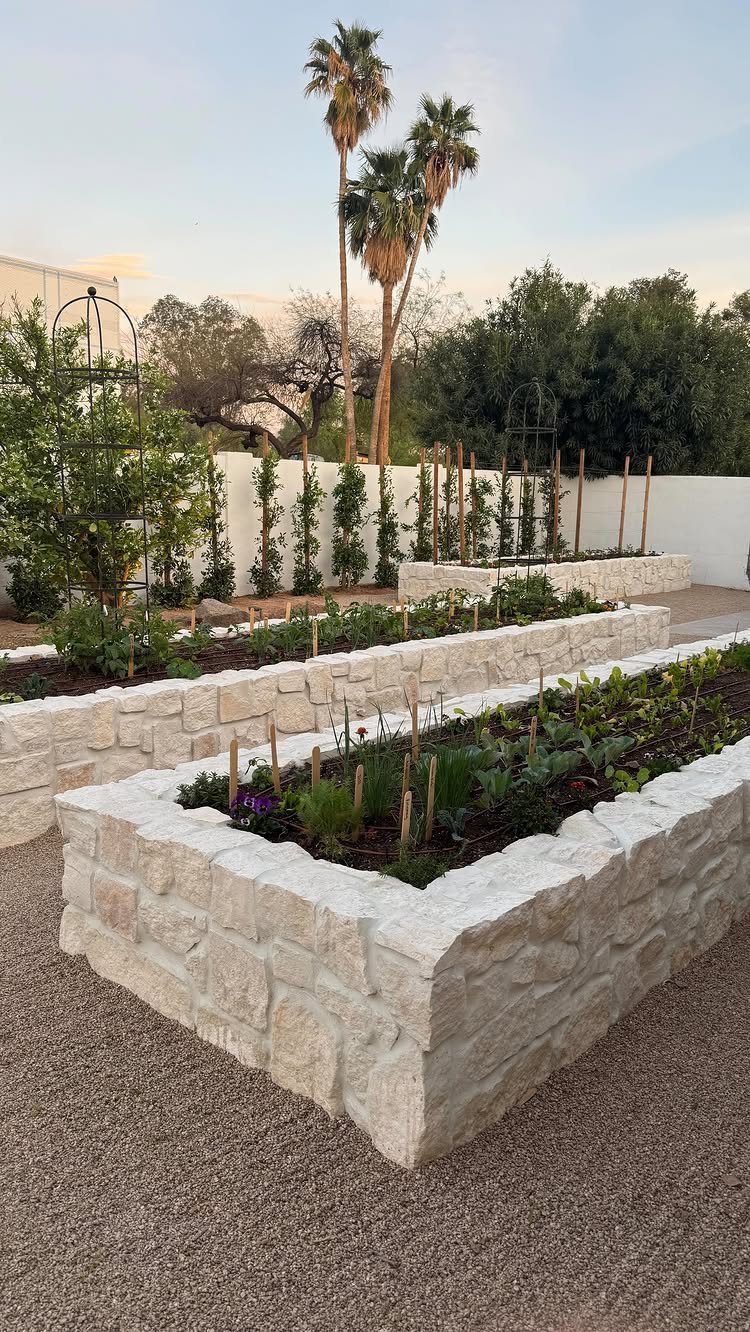
Rectangular beds built from chiseled natural stone blocks carry the weight and permanence of a landscape wall rather than a garden box.
I would start with a level gravel base, the same foundation a retaining wall needs, because stone on bare ground settles unevenly and gaps open for weeds.
The pale stone here warms slowly in spring, so I would stick to cold-hardy early crops like peas or lettuce rather than heat-loving vegetables that need warm soil to get going.
Full stone sides need no liner, but they do need soil brought in; figure a cubic yard or more per bed this size, delivered, unless you have a source on site.
The material costs more than any other option on this list, and the lifting is not a one-person job.
Stone suits a permanent garden where the beds themselves are the architecture. I would place them where I wanted them to stay for decades; moving them means rebuilding from scratch.
Benefits of Raised Garden Beds
Raised beds solve problems that in-ground planting does not. The soil you add drains better than native clay or compacted dirt, which protects roots from rotting in wet weather.
You start with clean fill, so weeds drop sharply after the first season; the cardboard or fabric most builders lay underneath blocks what remains.
Pests face a harder climb. A bed even 12 inches tall still lets slugs and snails crawl right up, though it does help with some small burrowers; add a wire cage and rabbits or deer become someone else’s problem.
The real relief is physical. Frame the bed wide enough that you can reach the center from either side without stepping in; once you compact that soil, you have lost the drainage and aeration you built for.
Soil Depth Recommendations
Most plants need 12–24 inches of soil to root freely and drain properly.
Leafy greens and herbs manage with 6–8 inches, though they grow better with more. Root vegetables are the exception that drives depth: carrots, parsnips, and potatoes want 12–18 inches minimum so the edible part has room to develop straight and full.
A bed built to 12 inches handles the majority of crops. Go deeper only where you know you will grow root vegetables regularly; the extra soil costs money and weight, and shallow-rooted crops will not use it.
If your native dirt is decent below the bed, roots will penetrate. If you are building on concrete or compacted fill, every inch the plant needs must come from inside the box.
Keep soil depths in a raised garden bed between 12 to 24-inches for optimal drainage, ample space for roots and a convenient working height to access plants.
Choosing Materials
Composite boards give the look of wood without the annual checking for soft spots or insect damage.
Concrete blocks and galvanized steel outlast both.
Avoid treated lumber marked for old formulas; current pressure-treated wood is rated safe for vegetable beds, but if you are uncertain, cedar or composite removes the question entirely.
Brick and stone cost the most and demand the heaviest labor, yet they suit front yards where wood looks temporary.
Match the material to how long you plan to stay in the space and how much maintenance you will actually do on a Saturday.
Frequently Asked Questions
What is the 3-5-7 rule in landscaping?
I don’t use the 3-5-7 rule in my own beds, so I won’t speak to it here. I would skip this question and focus on the bed-building methods described instead.
How to fill up a garden bed cheaply?
A single 4 x 4 ft bed grows more than most beginners expect; add another only after your first harvest shows you what you actually run short of.
Cardboard or landscape fabric laid underneath blocks weeds without extra cost. For the fill itself, compare delivery prices for bulk topsoil against bagged; a cubic yard delivered often beats dozens of bags once you factor in your time and gas.
What are some ideas for a small flower garden?
One tall bed pushed against a wall or railing keeps your walking lane open and still gives you room for deep-rooted plants.
A simple trellis lets peas, beans, or cucumbers climb vertical instead of sprawling across the ground you paid to build.
Stacked tiers put shallow herbs up top and deeper-rooted flowers below, so you get color at eye level and at your feet without any plant choking another.
An L-shaped layout in a corner frames a chair or bench without eating the whole yard.