
These 27 garden crafts run from free junk-bin finds to a few dollars in acrylic paint and twine, with most finishing inside a single afternoon.
What picks your project is whether you want standing decor for the yard bed, something that hangs from a fence or branch, or a piece the kids can help build.
The hub cap sunflower alone proves the range: roadside steel, wooden pie-crust petals, and exterior house paint that outlasts spray.
1. Garden Flowers Using Hub Caps

A hubcap sunflower turns roadside trash into fence-mounted yard art that reads from surprisingly far away.
The brown center is painted, not the cap’s original finish; wooden petals layer around it like a pie crust. I would check the back for mounting holes before painting, since drilling through hardened steel wears out bits fast.
Exterior house paint on the petals lasts longer than spray, and 2 coats of clear sealer keeps the colors from going chalky in sun. This one sits flat against the fence, but a slight tilt sheds rainwater off the center.
2. DIY Garden Gnomes

Ceramic gnomes weather better than the resin garden-center kind, which crack after 2 winters in my experience.
The pink glaze on this one is a factory finish; if you are painting your own, I would use acrylic sealed with marine varnish rather than trusting outdoor paint on something that stays damp in soil.
Tuck them low among kale or cabbage so the foliage frames the figure instead of hiding it.
Scale matters more than people think: the small ones get swallowed by mature plants, the large ones start to look like lawn ornament clutter.
3. DIY Bird Feeder
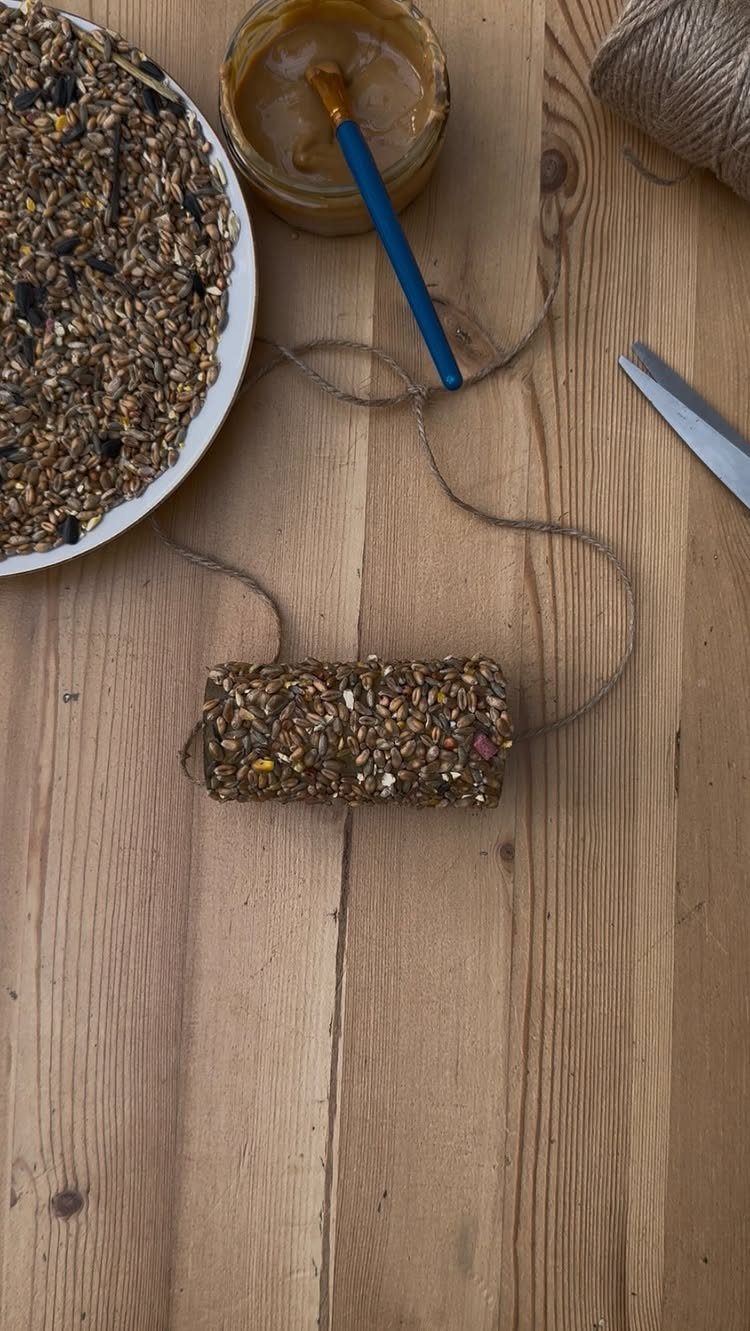
A toilet paper roll feeder takes almost no time and costs nothing if you already keep peanut butter and twine.
Spread a thin layer, roll it in seed, thread twine through the cardboard tube, and hang it where squirrels will fight over it anyway.
I would make several at once since rain soaks the cardboard fast; swapping a fresh one is easier than trying to weatherproof something designed to dissolve.
Sunflower seed works, but thistle or safflower attracts finches without drawing every grackle in the neighborhood.
4. DIY Potting Bench
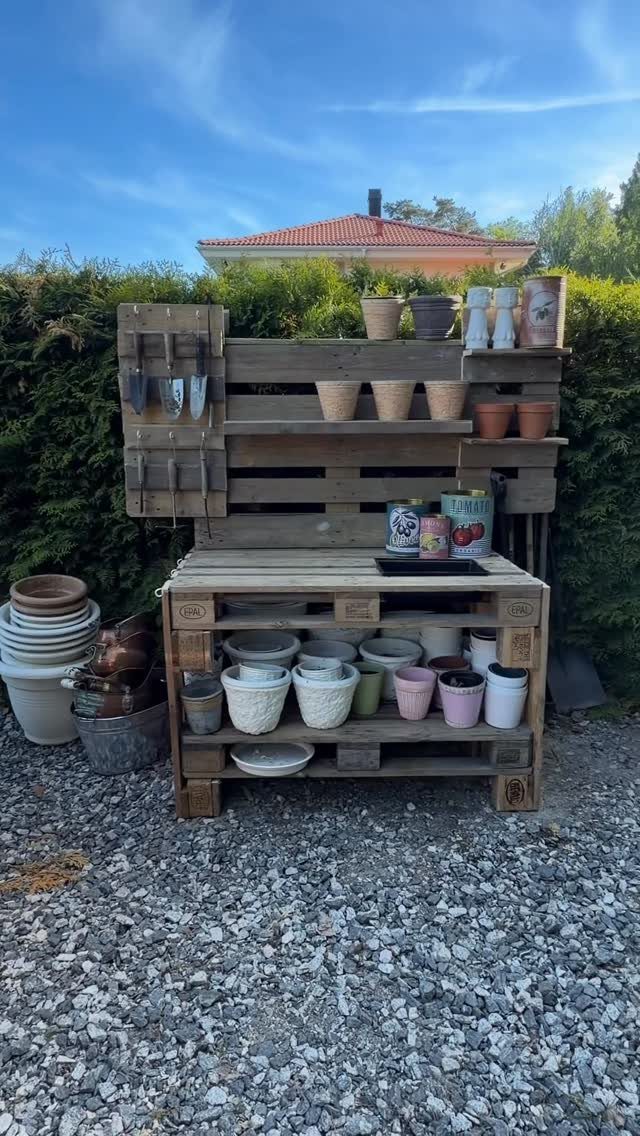
EPAL pallets are the European standard, stamped and heat-treated rather than chemically fumigated, which is what you want for anything holding plants you might eat.
The slat spacing on this bench lets soil fall through, so I would lay a scrap of hardware cloth or even a cut feed sack across the top before setting pots.
Two pallets give you a comfortable working height; one pallet plus legs runs lower and wastes less lumber. Tin can labels are charming but sharp, so bend the lid rims inward with pliers if kids help with potting.
5. DIY Tire Planter

Vertical tire planters bolt to a fence and solve the back strain of ground-level beds.
The cut you see is a sidewall removal, leaving a U-shaped pocket that holds roughly 2 gallons of soil; lavender likes this drainage, but lettuce would dry out too fast.
I would paint with exterior latex rated for flexing, since rigid porch paint flakes where the rubber torques in heat.
Mounting hardware needs to hit fence studs, not just siding, spaced the standard distance apart. Several tires in a row read as deliberate design; one looks like you could not haul it to the dump.
6. DIY Garden Stepping Stones

Round stepping stones with pebble inlay look store-bought but mix up in a wheelbarrow for cheap in concrete.
The white pebbles sit flush with the surface, not pressed in afterward, which means oiling them first so the concrete does not bond; I would use cheap vegetable spray rather than buying release agent.
A thicker pour handles foot traffic; thin ones crack when the ground shifts.
Pour into a plastic plant saucer for the mold, or a cake pan from a thrift store. Multiple stones make a path; one alone looks like a paver you dropped and left.
7. Junk Gardening

Junk gardening turns the stuff already in your shed into yard characters that cost nothing and keep plastic out of the landfill.
The swan and giraffe shapes start with large jugs, cut with a utility knife and painted in acrylics that fade fast unless you clear-coat them.
I would keep the cut edges facing away from walkways; thin plastic slices skin the same way paper does. Group three or more so they read as intentional art, not trash that blew into the bed.
8. DIY Garden Lanterns
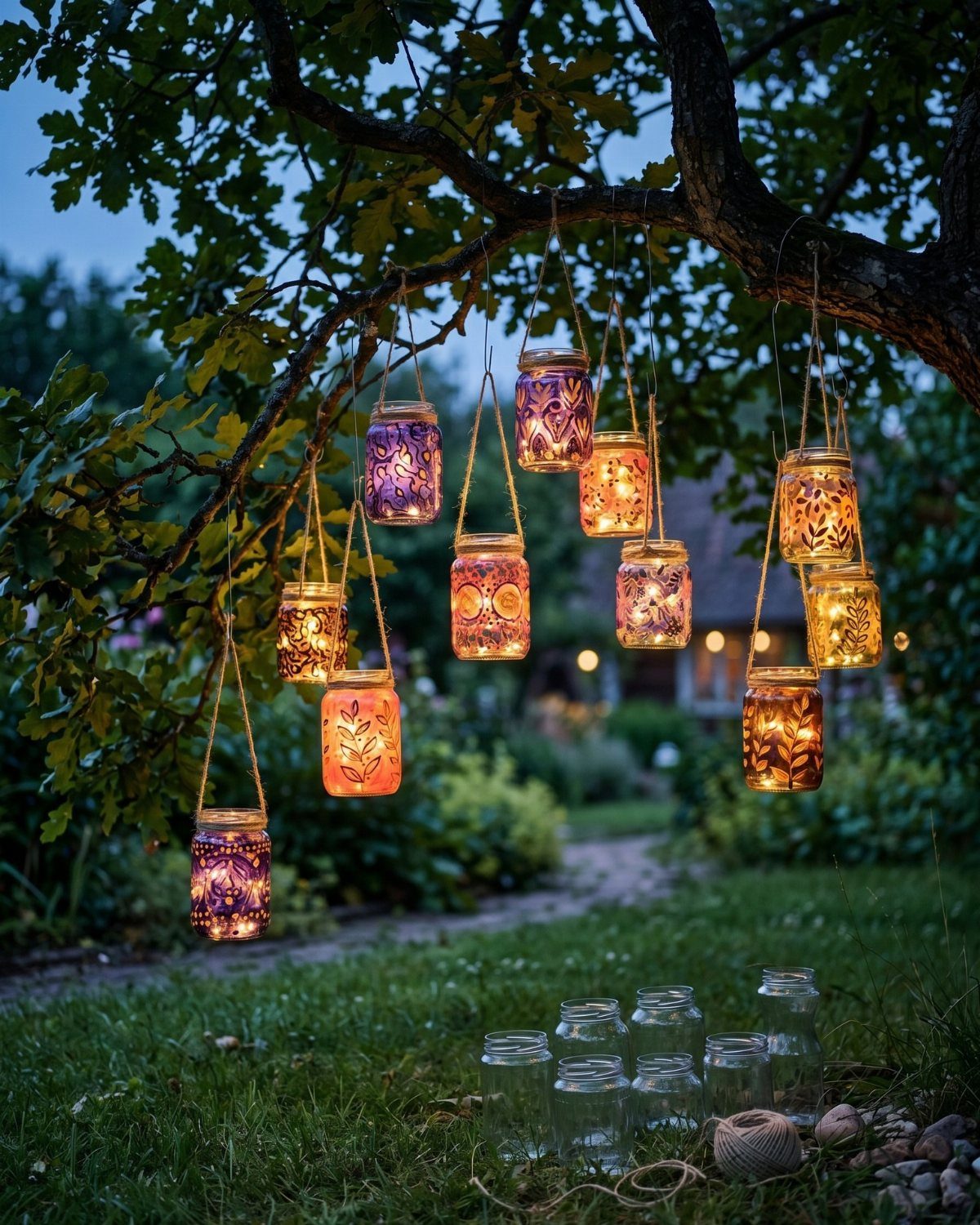
Glass jar lanterns hang cheap and throw a soft, patterned light that electric fixtures rarely match. Twine handles rot in a season of rain; I would use braided jute or thin wire for anything meant to last past August.
Battery tea lights eliminate the fire risk around tree bark and dry leaves, and the flicker looks nearly identical once you are close enough to tell.
A little frost spray or a lace wrap turns a plain jar into something worth lighting; the patterned ones beside it show what a difference the extra step makes.
9. Deco Mesh Pumpkin Wreath

A deco mesh pumpkin wreath reads festive from the street where a real gourd would sag and rot by October 15.
The pink and white palette here skips orange entirely; I would match it to my door paint rather than fighting it.
Mesh bundles fast to a wire frame with pipe cleaners, no glue needed, which means you can pull it apart and store flat after Thanksgiving.
The checkered pumpkin center is a printed sign, not hand-painted, and that consistency is what makes the busy mesh feel pulled together.
10. DIY Fairy Garden

A fairy garden in a shallow bowl keeps the scale honest; deep pots let you overplant until the scene looks like a crowded windowsill.
The jade tree here is a smart anchor, slow-growing and tolerant of the dry air around hardscape.
I would skip the pebble mulch on anything indoors; it traps moisture and breeds fungus gnats. Miniature houses and figures are cheapest after Christmas, when garden centers mark down their seasonal stock by half.
11. DIY Garden Sign

Hand-painted signs weather fast unless the wood is cedar or sealed on every surface including the back.
The green base on this one is a solid choice; light colors show dirt and dark ones cook the paint off in southern sun.
Twine hanging rots where it touches the soil, so I would add a spacer block or switch to coated wire. "Auggie’s Garden" is painted, not vinyl; vinyl letters peel in year 2 and look worse than bare wood.
12. DIY Garden Fountain

A full stone fountain with live ducks is more weekend project than most readers want, but the form scales down to a bubbling pot that runs off a small submersible pump from the hardware store.
The stone border here is mortared; I would dry-stack on clay soil that shifts, since rigid construction cracks when the ground heaves. Live ducks need filtration or weekly scrubbing; a simple bubbler with no basin stays clean on its own.
Solar pumps save digging a trench for cable, though they quit early on cloudy days when you are most likely to want the sound.
13. DIY Bug House

Brick and tile bug hotels last longer than the all-wood kind, which sag and rot where they touch soil.
The hollow stems you see are bamboo and dried reed, cut flush so rain runs off rather than pooling inside. I would face the openings south or east; cold-blooded insects need morning sun to get moving.
A roof overhang matters more than the number of floors; one dry tier outperforms three damp ones. Set it on pavers or gravel, not directly on grass, so the base stays sound.
14. DIY Kokedama Ball

A kokedama hangs root ball and all, wrapped in moss and string instead of hiding it in a pot.
The snowdrops and grape hyacinths here are spring bulbs, which means this display peaks for a stretch in spring, then goes dormant and brown. I would plan a summer swap with heat-tolerant annuals, or accept a seasonal gap.
The wire hanger is thin and nearly disappears; fishing line works too but tangles in wind. Soak the whole ball in a bucket weekly rather than spraying the surface; dry moss sheds water like a thatched roof.
15. DIY Garden Wind Chimes

Plastic cup chimes cost next to nothing and survive weather that cracks ceramic. The painted leaves underneath are a smart touch; they spin and catch light even when the air is still.
I would use acrylic craft paint and seal it with clear spray, since unsealed paint flakes where cups knock together. String length sets the tone; shorter drops ring higher and tangle less in a breeze.
These suit a porch or patio where you sit close; the sound is light, not the deep note of metal pipe chimes that carry across a whole yard.
16. Mosaic Garden Stakes

Mosaic stakes add color where flowers are sparse and stay interesting after bloom season ends. The metal rod here is rebar or a heavy garden stake, set deep so the disc does not torque in wind and snap grout lines.
I would use exterior tile adhesive, not craft glue, and seal the finished face with grout sealer twice a year.
Round discs read better at a distance than square or freeform shapes; the eye completes the circle even through foliage. These work best among low plants where the stake rises clear, not buried in a shrub that hides the work.
17. Hanging Glass Bottle Planters

Tinted bottles filter light the way a greenhouse does, which rooting cuttings seem to like. The driftwood branch is structural, not just decorative; it needs to be sound and dry or the wire will cut in and drop a bottle.
I would test the weight after watering, not before; wet soil and glass run heavy fast.
The beads and bells are optional but worth including; they move and catch light, which draws the eye up. These suit a covered porch or tree canopy where direct hail cannot strike the glass.
18. Decorative DIY Rain Chain

A rain chain replaces a downspout with something you actually want to look at during a storm. The black metal cups here are steel or aluminum, sized to catch and spill in a visible cascade rather than spraying sideways.
I would anchor the bottom to a basin or drain rock; without it, the water excavates a mud hole in a single season.
Installation is simple: remove the elbow at the gutter outlet and hook the chain top in its place.
These handle moderate rain well; in a downpour, some overflow is normal and I would plan for it with a splash block underneath.
19. Upcycled Chair Planter

A wooden chair with the seat cut out becomes a planter frame that stands at knee height, easy to tend without bending.
The yellow paint here is exterior latex; I would prime first or the wood grain drinks the color and needs a second coat.
Drainage matters more than soil depth, so drill holes through whatever board you nail across the opening. Pansies handle the shallow root space and bloom through light frost.
I would avoid chairs with glued joints; they swell and split where soil meets wood. One bold chair anchors a bed; three in a row look like a yard sale that never closed.
20. Repurposed Plastic Jug Planters
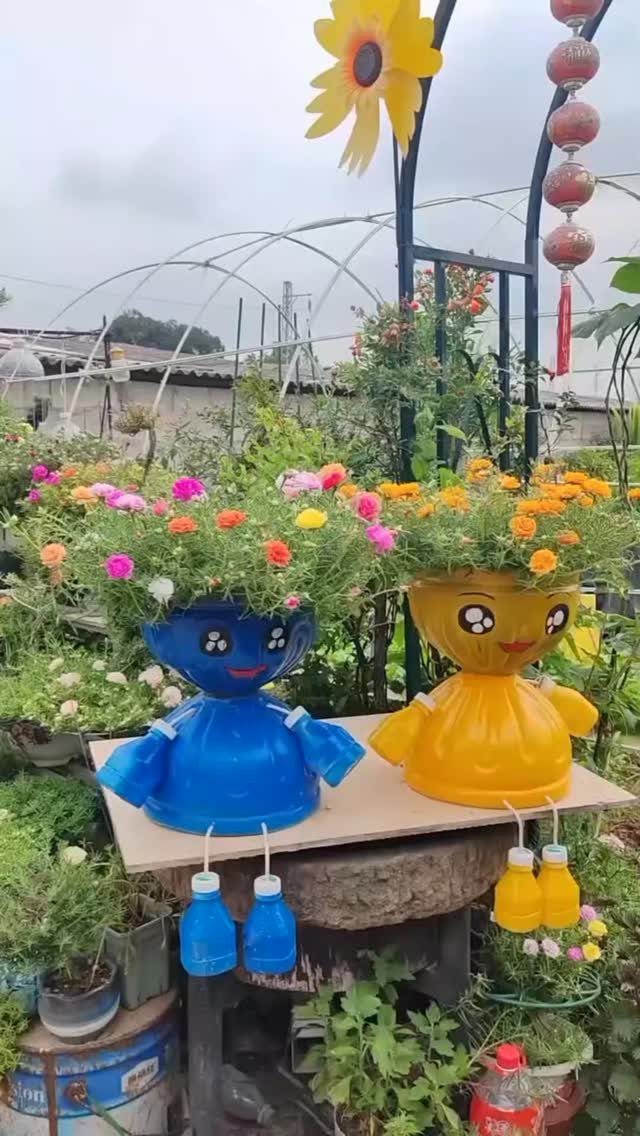
Milk jugs cut and flipped become cartoon faces with the cap as a nose and the handle as an ear, painted in acrylic craft colors that fade unless sealed.
The moss roses here are portulaca, which tolerates the jug’s limited soil volume and forgives missed waterings. I would punch drainage holes low on the sides, not the bottom, so the jug sits flat and still drains.
Sharpie marker eyes bleed in rain; paint or permanent vinyl holds better. These suit a fence rail or a kid’s windowsill; one alone on a patio looks like recycling day came early.
21. Silverware Garden Mushrooms

Bent spoons hang cap-down like mushroom bells, the bowl shape catching light and the handle becoming the stem.
The colored glass beads here are strung on chain between spoons, which means wind moves the whole piece rather than clanging metal. I would use stainless flatware; silver plate tarnishes green and needs polishing that outdoor display does not forgive.
The mushroom shape is simple mechanics: grip the handle, bend the bowl against a pipe or vise, and the curve happens in one motion.
These suit a porch eave where you sit beneath them; in open yard wind they spin and tangle.
22. Wooden Pallet Tool Organizer

A standing pallet in a corner stores long-handled tools blade-up where you can read the shape against the wall and grab without looking.
I would bolt the pallet to studs, not drywall, since a full load of wet tools gets heavy fast.
The cordless drill on the floor suggests this is garage or shed storage, not outdoor; pallet wood outdoors grays and splinters in 2 seasons. A coat of deck stain buys time if basement space is scarce.
23. Dried Flower Mobile Wreath

A grapevine wreath hung level becomes the hub for strings of dried strawflowers that sway and turn in any air movement.
The pink, yellow and red here are natural strawflower shades; I would buy bunches in late summer when garden centers clear them, or dry my own hanging upside down until the stems snap clean.
Monofilament or thin wire disappears against sky; twine reads as rope and competes with the blooms.
These last one season of direct sun before bleaching; a covered porch keeps the color for two. I would hang where morning light backlights the strands; afternoon sun from the front washes them flat.
24. Handmade Wooden Plant Stand

A tiered corner stand stacks plants vertically where floor space is scarce and a windowsill ends. The geometry here is triangular or stepped, each shelf smaller than the one below, so light reaches every pot.
I would build in a back rail or lip; wet pots slide, and a terra cotta pot dropped from standing height cracks.
Small plants suit this scale: seedlings, succulents, or herbs, not a mature fiddle leaf. A stand this tall needs a wall behind it or a wide base; the corner brace is what keeps it from tipping when you water.
25. Wooden Spoon Plant Markers

Wooden spoons from the dollar store or thrift bin become plant markers that read at a glance and cost less than a pack of plastic tags.
The shallow bowl of a teaspoon holds a painted vegetable portrait; the handle stakes into soil without splitting like a craft stick would. I would seal both sides with clear acrylic spray or the paint washes off by July.
A Sharpie label on the back is backup when the art fades. These suit a raised bed or container where you work close; at any distance they disappear among leaves.
26. Painted Pinecone Branch Mobile

A fallen branch and collected pinecones become a mobile that moves with air currents through a porch or window.
The twine here is plain jute, knotted around the branch and threaded through drilled pinecones with glass beads as spacers. I would paint with acrylic and seal it, since raw pinecones weep sap through any coating and attract dust.
The weight hangs uneven, which is the point: each strand turns at its own speed. These last longer indoors; outside, rain swells the cones and sun bleaches the blue to gray in a season.
27. Painted Wooden Character Stake

A 2×4 offcut, cut to silhouette and painted, becomes a stake that peeks from foliage like a garden sentinel.
The straw hat here is a doll accessory or a folded paper circle; either way, it needs glue and a wire pin or the first wind takes it.
I would use exterior paint on every surface, especially the cut end grain, or water wicks up and the wood mushrooms at soil line.
Sweet potato vine is a smart companion; it trails low and does not hide the figure. One stake draws the eye; a crowd of them reads as a theme park fence.
Budget-friendly Crafting
These projects cost nothing if you already have the base material sitting around. Hub caps, toilet paper rolls, and plastic jugs are trash to most people; to a gardener they are free raw stock.
Thrift stores and yard sales fill the gaps for anything you need to buy: cake pans for concrete molds, chairs for planters, flatware for wind chimes.
I would check the free section online before spending anything on lumber; pallets and scrap wood appear daily in most neighborhoods.
The real savings come from skipping the garden-center markup on finished decor. A store-bought gnome cracks in 2 winters; a painted jug costs the price of acrylics and lasts about as long.
Tire planters and hub cap flowers outlive their retail equivalents at a fraction of the cost. My rule is simple: if the material is already on its way to landfill, the project is basically free.
Involvement of Children
Several projects above suit small hands with minimal modification.
The toilet paper roll bird feeder is pure assembly: spread, roll, thread, hang. Milk jug planters let kids paint faces and choose the "hair" from trailing portulaca or creeping thyme.
Stepping stones in a plastic saucer mold are wet concrete, so an adult handles the pour, but arranging pebbles in the mold before the pour is safe and satisfying.
I would skip the glass projects with anyone under ten. Bottle planters and jar lanterns break; the cut edges on jug crafts slice the same way paper does, and thin plastic wounds need the same attention.
The pallet tool organizer is garage storage, not play; splinters from weathered wood are a real risk.
Junk gardening works best for kids: cutting jugs into swans or giraffes with a utility knife, then painting with acrylics. An adult does the cutting, the child does the design, and both can claim the result.
Eco-friendly Practices
Nearly every project above turns something old into something new. Tires, hub caps, glass bottles, plastic jugs, and wooden pallets all divert material from landfill and delay the purchase of new goods.
The environmental win is less about crafting and more about replacement: a tire planter means one less resin pot manufactured, one less truck hauling it to a store.
I would be careful about calling any painted plastic "green." Acrylic craft paint on a milk jug is still plastic in sun; it fades, flakes, and enters the soil as microdebris.
The projects that actually close a loop are the ones using biodegradable or inert materials: concrete stepping stones that last decades, ceramic gnomes that weather slowly, bamboo bug hotels that rot where they stand and feed the soil.
Even the toilet paper roll feeder is designed to dissolve; it feeds birds once, then composts.
The honest trade-off is between waste diverted and waste created. A painted tire keeps rubber out of a dump but leaches compounds in full sun.
I would place tire planters in partial shade and avoid them for food crops. The hub cap sunflower is cleaner; steel rusts, but it does not off-gas, and the wooden petals are replaceable.