
These ideas run from a bamboo reed mat you hang in an afternoon to a roofed structure that needs footings, permits, and a helper for the weekend.
The one that fits your deck depends on whether you need shade that stays up year-round or something you can roll back when the weather turns.
A retractable awning blocks better than 90% of UV when you want cover and disappears when you do not, which is the detail that separates temporary fixes from permanent solutions.
1. Retractable Awnings

A retractable awning lets you pull shade forward when the sun hits hard and roll it back when you want open sky or late-day light on the deck.
The fabric blocks better than 90% of UV, which matters if you are out there for hours or have kids who are.
Before buying, I would check the mounting surface: brick or siding needs different hardware than wood, and the slope must drain rain, not pool it.
Motorized versions cost more but save you from cranking a long span by hand. I would skip the remote-only models; a manual override matters when batteries fail mid-season.
2. Shade Sails
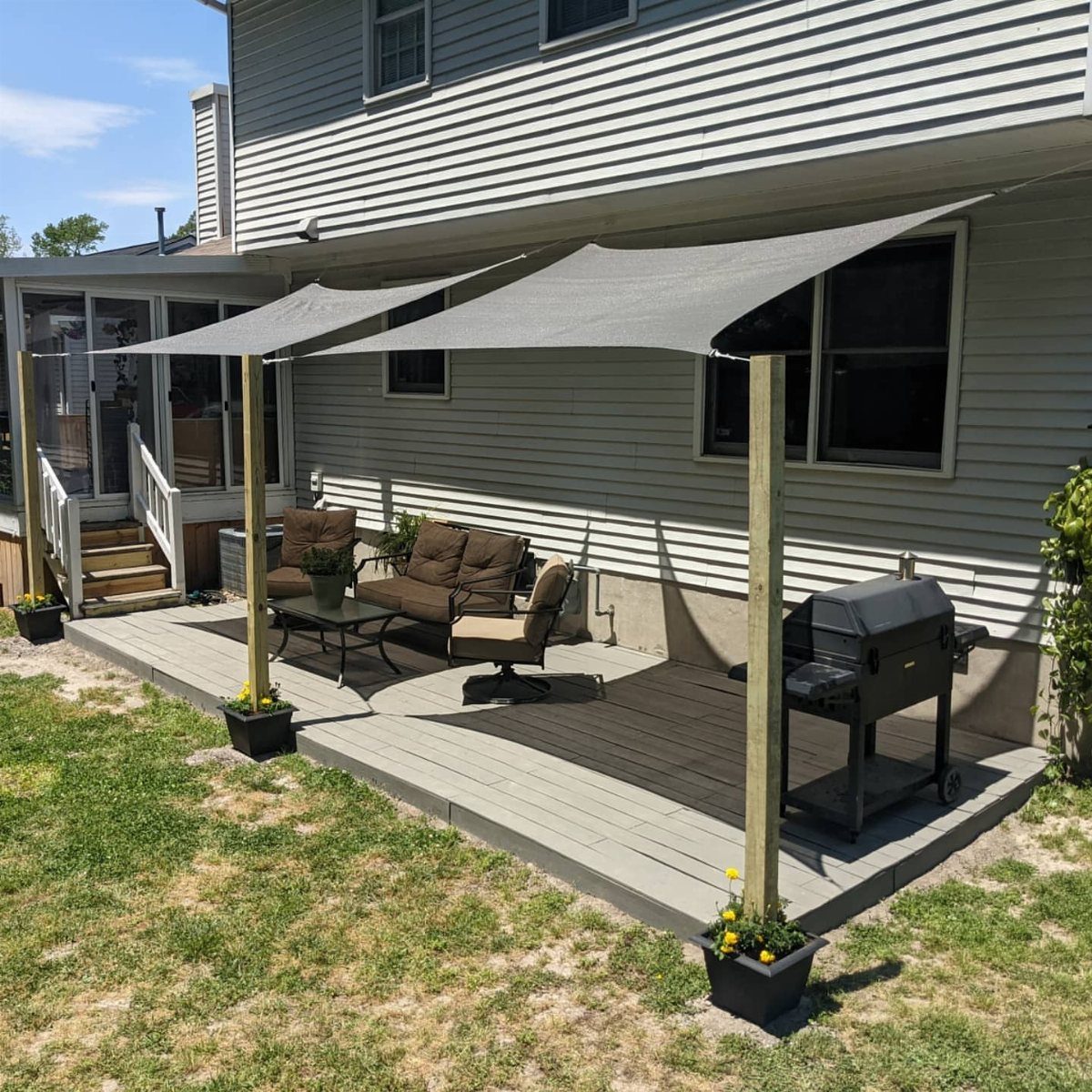
Shade sails work best when you have two or three anchor points already in place: a wall, a roof edge, sturdy posts.
The fabric hangs at an angle, so rain runs off and the shade moves with the sun, which is different from a fixed roof that traps you in one pattern.
I would measure the space twice and order the sail smaller than that span; the tension hardware needs room to pull it tight, and a sagging sail collects water and looks tired in a month.
I would check local wind load if you are near the coast; some areas require engineered posts for anything over a certain size.
Square, triangular or rectangular in shape, shade sails have a span of up to 20 feet, so they’re the shade solution when you need to cover a large area. If your patio or deck is small, a modest-sized shade sail is an inexpensive option.
3. Gazebos
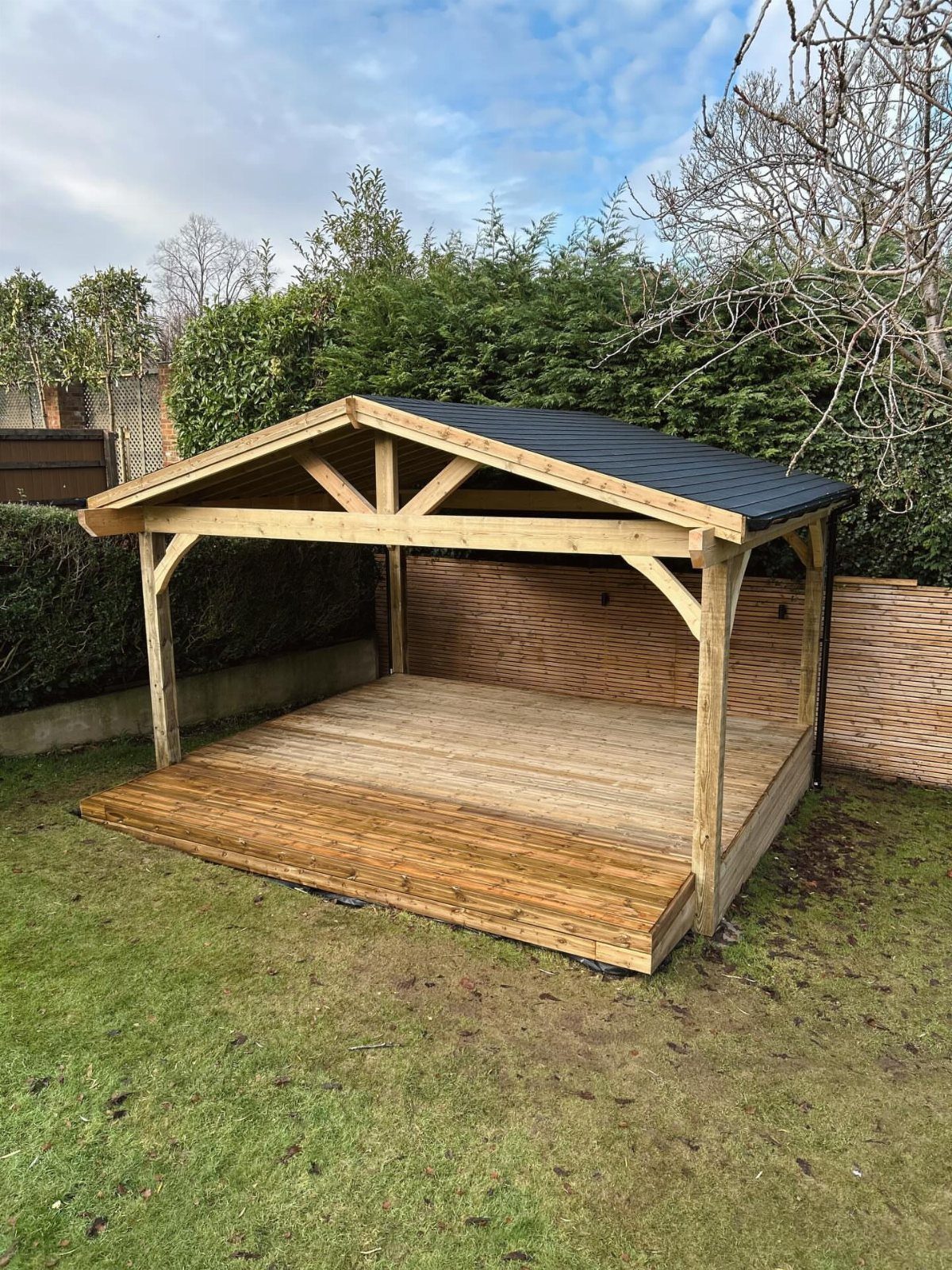
A gazebo gives you a full roof and open sides, which turns a patch of deck into a room that happens to be outdoors.
A shingled roof will outlast fabric by years and handles rain without the sag or stain issues.
You are building a small structure, not installing a feature, so check setback rules and whether your deck can take the load or needs posts carried to footings below.
I would budget for a weekend with a helper and probably a permit. You get real shelter: you can leave furniture out and cook under it without watching the weather.
4. Outdoor Curtains

Outdoor curtains turn a covered deck into something more private and more finished without changing the structure.
I would hang them on a rod that stands off the post so the fabric stacks clear and does not snag. The material needs to be solution-dyed acrylic, not cotton; it resists mildew and fades slowly.
I would buy one panel extra. Outdoor curtains take wind damage, and matching a dye lot later is harder than you expect.
5. Pergolas

A pergola gives partial shade through slats or lattice, which is exactly what you want when full cover would turn the deck dark and hot by mid-afternoon.
String lights are a common add-on; the open roof is made for them, and the wiring hides easy against the beams.
I would build in 2×6 or 2×8 lumber, pressure-treated or cedar, and space the rafters close enough to block some sun but not so tight that the structure turns heavy.
Closer spacing means more shade but also more weight and less sky. A retractable fabric panel fitted to the top is an option later if you want more cover seasonally.
6. Cabanas

A cabana frames a specific zone, usually seating or dining, with a light roof and fabric sides that drop or tie back.
A metal frame keeps the look modern and the whole thing portable; you are not pouring footings or pulling permits.
I would treat this as furniture with a roof, not as architecture. It moves if the sun pattern changes or if you redesign the deck next year.
The fabric panels will fade and need replacement after a few seasons of hard sun, so I would check whether the maker sells replacements before I buy.
For a renter or someone who wants shade this season without a project, this is the option I would point to first.
7. Pop-Up Canopies

A pop-up canopy is the fastest shade you can own: one person opens the frame, the roof locks, and you have cover before you finish your drink.
A screened model wins over open sides if bugs are part of your summer.
I would check the frame material before buying; steel costs less but rusts where aluminum does not, and the difference shows after 2 seasons of rain.
Weight bags or stakes matter on any hard surface or breezy day; the canopy itself is light enough to lift, which means it lifts easy in wind too.
8. Natural Shade from Vines

Morning glory or clematis climbing a string grid turns a bare deck wall into a living screen that filters sun and drops the temperature underneath.
Purple to pink flowers work fine, but the color matters less than the density; full coverage takes patience and regular training of new growth.
I would install eye hooks and galvanized wire, not twine, which rots and sags by August.
The strings need tension at both ends so the vines climb vertical, not diagonal toward whatever light they find. This is slow shade, but it costs little and improves each year instead of wearing out.
9. DIY Shade Canopy
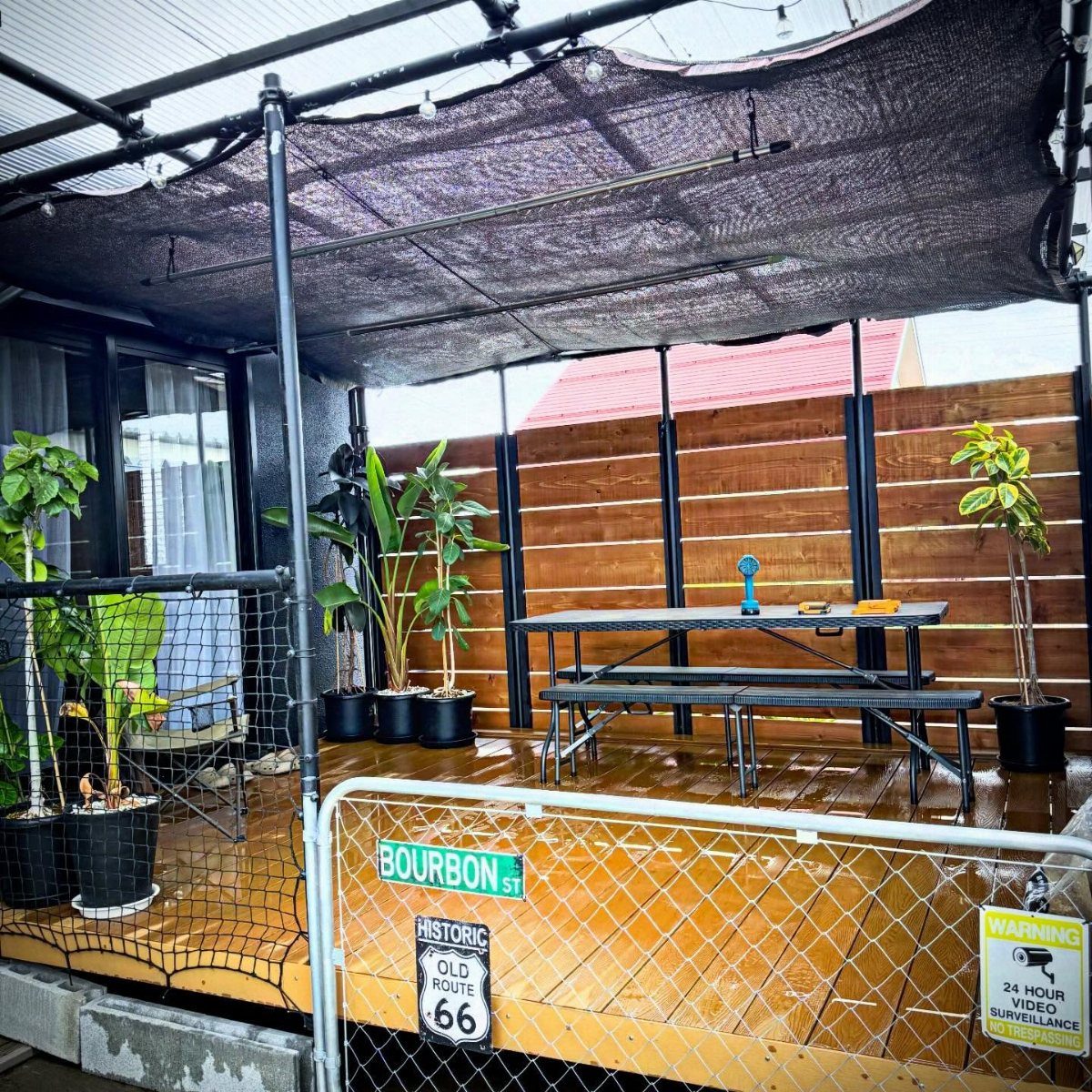
A pipe frame and mesh panel let you size shade exactly to your deck without buying a kit made for someone else’s space.
I would use steel pipe over PVC; the sun degrades plastic in 2 seasons and the sag becomes visible.
The mesh blocks direct sun but not breeze, which is the point: you stay cooler than under a solid roof. Plan for a weekend of measuring twice and cutting once, plus help to hold the frame level while you tighten.
10. Custom Overhangs

An overhang built out from the house roofline turns the deck into covered porch, permanent and matched to the architecture.
A full extension with posts carrying the load to footings, not a cosmetic add-on that bolts to siding and hopes for the best.
I would match the existing roof pitch and shingle color; a mismatch looks like an afterthought and hurts resale. You get shade that stays, adds square footage for appraisal, and keeps the deck dry enough for storage underneath.
11. Privacy Screens
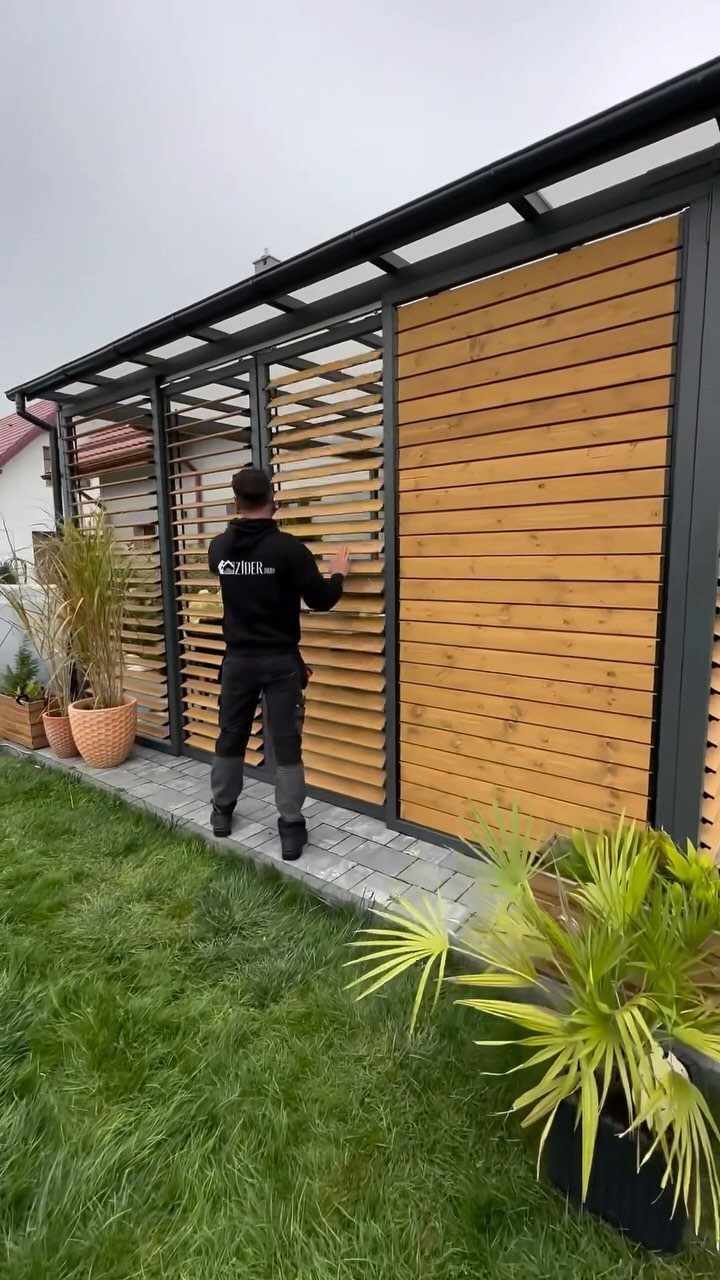
Adjustable louvered screens give you shade and seclusion from the same slats, tilted flat for afternoon sun or angled closed for neighbor sightlines.
A metal frame that takes wooden inserts; I would oil the slats yearly if you use real wood, or go with composite and skip the maintenance.
I would mount these to the deck structure, not surface-bolted to boards that flex and loosen the hardware.
The adjustment mechanism matters; cheaper versions stick after one season of pollen and dust. Check that replacement slats are available before you buy, because wind and time will crack a few.
12. Palapas
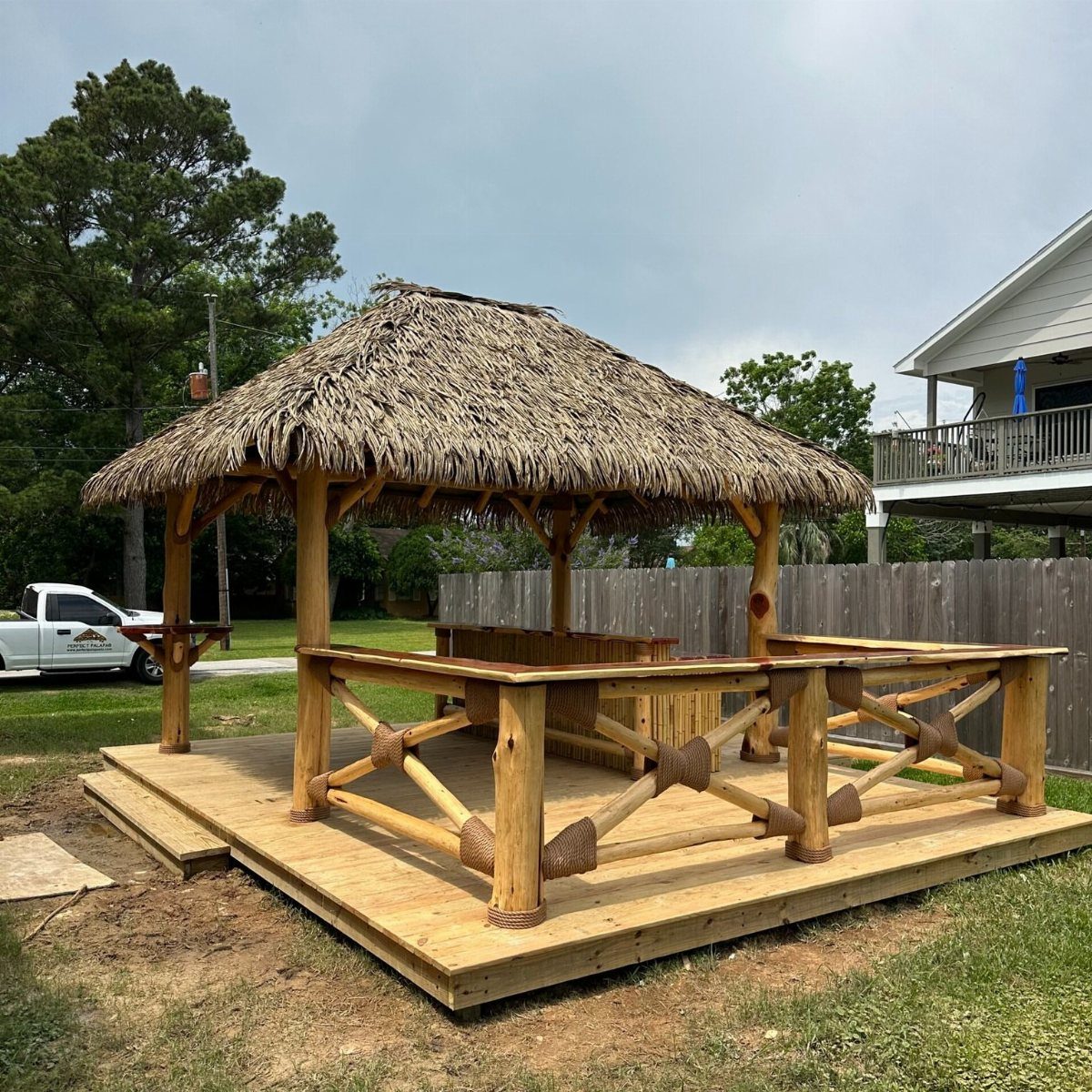
A palapa is a gazebo with a thatched roof, open on all sides, built from poles and dried palm or synthetic thatch.
A bar built in is optional; the core idea is the roof material, which sheds rain and breathes better than canvas so the space underneath stays cooler.
I would use synthetic thatch over real palm; it lasts years longer and passes fire codes that natural thatch fails in most counties. The roof needs a steep pitch or rain sits and leaks through.
This is a statement piece that defines the whole deck, so I would place it where it anchors the seating area, not off to one side competing for attention.
13. Covered Bars

A covered bar turns part of your deck into a serving station that stays dry and shaded while you cook or mix drinks.
The roof overhead means you can run power for a fridge or TV without weather worries, and barstools let guests sit right at the counter instead of carrying everything to a separate table.
A roofed bar structure needs framing clearance above any grill, and a fire pit table underneath demands open space to the ceiling.
This is a project, not a weekend buy: budget for electrical, possibly gas lines, and a permit. If you entertain often and have the square footage, this is where I would put my money over a standalone gazebo.
14. Translucent Roof Panels
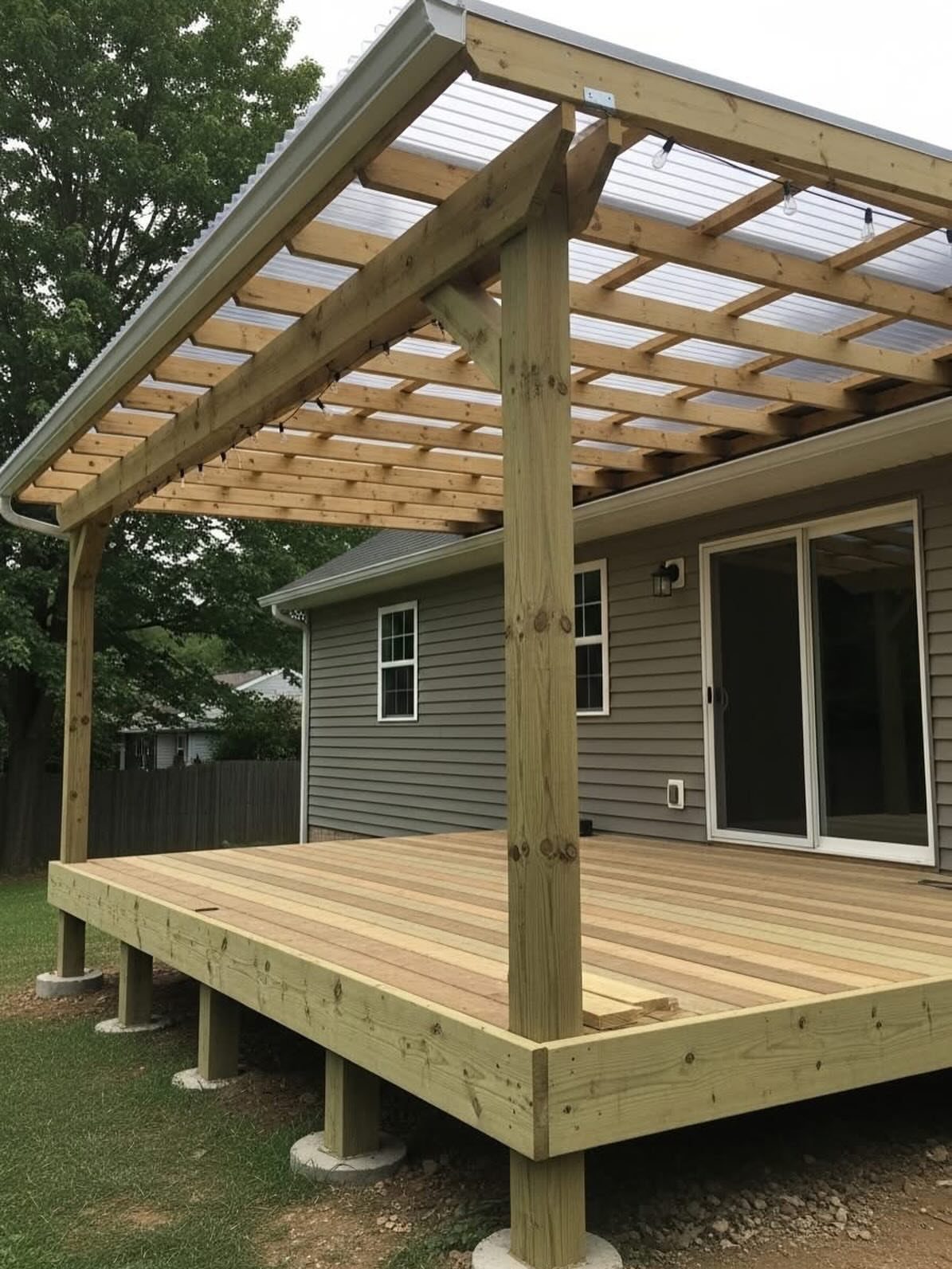
Clear corrugated panels over a timber frame give you a roof that blocks rain and UV without turning the deck into a cave.
Light still comes through, which matters on a space you use during the day; string lights hang easy from the same beams and show up after dark.
I would use polycarbonate over fiberglass; it does not yellow and handles impact from branches.
The panels need a slope, even slight, or condensation and leaf debris pool on top. Fasten with screws that have a rubber washer and a metal cap; standard wood screws leak in the first hard rain.
This sits between a pergola and a solid roof in cost and coverage, and I would pick it when you want shelter without losing the sky entirely.
15. Large Patio Umbrellas

A big rectangular umbrella shades a full seating group and moves where you need it, which a fixed structure cannot do.
The base is the part no one photographs: it needs real weight for the span, or a wind gust becomes an expensive problem.
I would check the fabric rating; solution-dyed acrylic lasts years longer than polyester in sun, and a vented top catches less wind.
A center-pole market umbrella keeps the shade where you need it; the pole sits in the middle, so plan seating around it rather than over it.
16. Bamboo Reed Shades

Bamboo reed mats hung on wire filter sun without blocking breeze, which is the point on a deck by water where you want the view and the air.
The reeds are thin enough to roll up out of the way when evening cools, or drop back down the next afternoon.
I would use stainless steel cable, not rope, and turnbuckles at one end to keep tension; sagging mats clatter and look like a temporary fix that became permanent.
The reeds will gray and shed over two or three seasons; buy an extra mat when you find a source, because matching later is unlikely.
This suits a rustic deck or a spot where fabric would look too finished and formal.
Choosing the Right Shade
Start by tracking how the sun crosses your deck from morning to evening.
A space that bakes at 4 p.m. needs a different fix than one that catches harsh light at breakfast. Wind matters too; breezy sites need heavier frames or retractable options that stow before gusts hit.
I would match the material to my climate. Humid summers mildew fabric fast, cold winters crack vinyl, and coastal salt eats aluminum unless it is rated for it.
A shade that stays up year-round faces more punishment than one that comes down in October, and that difference should steer the choice as much as the price tag does.
Maintenance Considerations
Pergolas with fabric panels need anchoring checks each spring and hardware lubrication if the retracting mechanism sticks. I would wash the canopy fabric yearly with mild soap; mildew sets into stored panels that go away wet.
Adjustable shades on a cabana or pergola collect pollen and dust in their tracks, which is why cheaper mechanisms jam after a season.
I would vacuum the slats or fabric monthly and test the full range of motion before peak summer. Oil any moving metal parts; salt air or humidity seizes them otherwise.
Wood frames need inspection for rot where water pools, and vinyl benefits from a pressure wash to keep the surface from chalking. Any shade with electrical for lights or fans deserves a ground-fault check before the first warm weekend.
Budgeting for Shade Solutions
Retractable awnings and louvered pergolas cost more at purchase but replace the cycle of buying and tossing cheaper shade every few years.
I would calculate cost per season, not just sticker price; a solid awning that lasts a decade beats a cheap pop-up you replace every couple years.
DIY shade sails and pop-up canopies tempt the budget-minded, but failed anchoring sags or collapses and the replacement hits harder than the first buy.
I would hire out anything over a modest span; the pro fee buys peace of mind and often a warranty.
Style and function are not separate line items. A shade that clashes with the house sits unused, and one that blocks the view you bought the deck for becomes a regret.
Budget for materials and colors that match the architecture; the finished look is part of what you are paying for.
Frequently Asked Questions
What is the most inexpensive way to cover a deck?
Shade sails and pop-up canopies cost the least upfront, and a DIY pipe-frame mesh canopy lets you size shade to your exact deck without paying for a kit.
How do I block the sun on my deck?
Adjustable options like retractable awnings, outdoor curtains, or louvered screens let you block sun when you need it and open up when you do not.
For side sun at a low angle, privacy screens or fencing work as a more permanent block, and shrubs or trees planted in the sun’s path give natural cover that gets better over time.