
These 10 red bushes for landscaping range from compact 3-foot anchors to spreading shrubs that need room, and the right pick depends on whether you need color in spring, fall, or straight through the growing season.
A weekend planting timeline works for most, but checking your soil pH first can save an Encore azalea from a season of yellowing leaves.
1. Red Encore Azaleas

Red Encore Azaleas give you 2 rounds of color, spring and fall, which matters more than a single flush when you are fitting projects around weekends.
Plant it in a bed with wood mulch and stone edging; that pairing keeps roots cool and stops water from bouncing off nearby pavement.
I would check your soil acidity first; azaleas want it on the lower side and sulk in alkaline ground. If your pH runs high, working in peat or sulfur a few weeks before planting beats trying to fix it after.
2. October Magic Rose Camellia

Late fall color is scarce in most yards, and that is where October Magic Rose Camellia earns its keep.
The flowers carry yellow centers that read as a second color from a few steps back, which helps if you are building a scheme rather than dropping in one red note.
I would plant this where it catches low winter sun but avoids the harshest afternoon rays; camellias in too much summer heat drop buds before they open.
In zone 7 or warmer it stays evergreen, so placement near a path or door pays off for months beyond bloom time.
3. Red Bigleaf Hydrangea

Among red bigleaf hydrangeas, I would look to cultivars like Red Sensation or similar macrophylla varieties with true red tones; most stay around 3–4 feet high and 4–5 feet wide, a footprint that fits most townhome beds without eating the walkway.
Give it part shade and wood mulch; that setup mimics its natural woodland edge preference.
Soil moisture matters more than soil type, so I would plan to water through the first 2 summers and not rely on rainfall alone. Full sun works in cooler climates, but afternoon shade saves you from wilted leaves in July.
4. Blush Pink Nandina

Blush Pink Nandina reads soft in summer, then turns red and pink once nights cool, which gives a small yard two seasons of interest from one plant.
Layer it with grasses and slender trees; I like that height graduation for a bed you see from the street.
Nandina spreads by underground runners in warm climates, so I would check whether your variety is listed as invasive in your state before committing to a large drift. A contained clump near the foundation sidesteps most of that concern.
5. Red Prince Weigela

Red Prince Weigela is a deciduous shrub, bare in winter, but the spring show justifies the gap for a bed that faces the street during growing season.
The house behind it has modern stone veneer and a white door; the red repeats without matching exactly, which is the safer move with a strong flower color.
I would prune right after bloom finishes, since next year’s flowers form on old wood. Hardiness runs to zone 4, so northern renters who want one weekend project with lasting color can plant this and expect it back.
6. Ginger Wine Ninebark

Ginger Wine Ninebark carries its color in the leaves, not the flowers, and the burgundy shifts through the year rather than holding one flat tone.
That chartreuse neighbor is a smart pairing; complementary brightness keeps the dark foliage from reading as a hole in the bed.
I would give it room, mature size runs large, and place it where you want winter structure since the stems stay upright after leaf drop.
The white flower clusters in late spring are a brief bonus; I plan around the foliage and treat the bloom as unexpected.
7. Fothergilla

Fothergilla gives you red in autumn, not summer, which is the right trade if your yard already has spring flowers elsewhere. The bottlebrush blooms in April smell like honey; I would plant it where you pass close enough to notice.
It stays compact enough to work as a corner anchor without blocking windows. Give it moist, slightly acidic soil and half-day sun; too much shade dulls the fall color that justifies the space.
8. Red Flowering Hedge Border

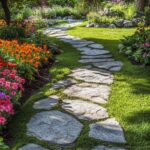
A gravel path flanked by red azaleas turns a straight walk into something you notice, but the flowers last only a few weeks. I would choose Encore or another reblooming type so the investment does not sit green all summer.
The gravel needs edging to keep it from spreading into the beds; steel or stone both work, but the clean line matters more than the material.
Space the shrubs at mature width so they do not crowd the path in year three.
9. Mixed Bed with Red Bushes

Dark red shrubs against white hydrangeas give you contrast without fighting for attention, and the green foliage in between keeps it from reading as a flag.
I would place the red where the light hits it; burgundy leaves in shade turn muddy and lose the point.
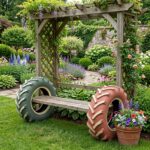
The bench tells me this is a bed you sit near, so plan for year-round structure since you will see it in December too.
A mix of heights, not just colors, is what makes a bed look planted rather than piled.
10. Pinkish-red Flowering Shrub

That rounded mass of pinkish-red reads as one color block from a distance, which is what you want if you are trying to anchor a lawn or hide a foundation corner.
The panicle form means late summer bloom, so this is your bridge between spring azaleas and autumn foliage.
I would check mature size carefully; some of these shrubs spread wide enough to swallow a small bed in a few years. A hard prune in late winter keeps the shape tight without sacrificing the flower show.
Frequently Asked Questions
What is a red bush?
A red bush is any shrub that carries red in its flowers, leaves, or berries. A red bush is any shrub that delivers red color, either through its flowers or its leaves.
Red Encore Azaleas and Red Prince Weigela bloom in red, while Ginger Wine Ninebark and Blush Pink Nandina earn the name from foliage that turns red through the season.
A few, such as Fothergilla, save their red for autumn leaves rather than summer display.
What are examples of shrubs?
For red color in a yard, I would look at 9 shrubs that range from compact border plants to larger foundation pieces.
These include Red Encore Azaleas, October Magic Rose Camellia, Ruby Slippers Bigleaf Hydrangea, Blush Pink Nandina, Red Prince Weigela, Ginger Wine Ninebark, and Fothergilla. Several are flowering shrubs, while others carry color in their leaves.
What is a fast growing shade shrub?
For fast growth in part shade, oakleaf hydrangea cultivars like Ruby Slippers fill a bed quickly, topping out around 3–4 feet high and 4–5 feet wide without overtaking a walkway.
Fothergilla also takes half-day sun and stays compact enough to anchor a corner. Both want moist soil and will need watering through their first 2 summers to get established.
What red flower comes back every year?
Red Encore Azaleas return each spring and again in fall, giving 2 rounds of color from the same plant.
Red Prince Weigela comes back reliably even in zone 4, though it goes bare in winter. October Magic Rose Camellia stays evergreen in zone 7 and warmer, so you get the structure year-round with late fall blooms annually.